How 3D Educational Resources Empower Indian Rural Schools
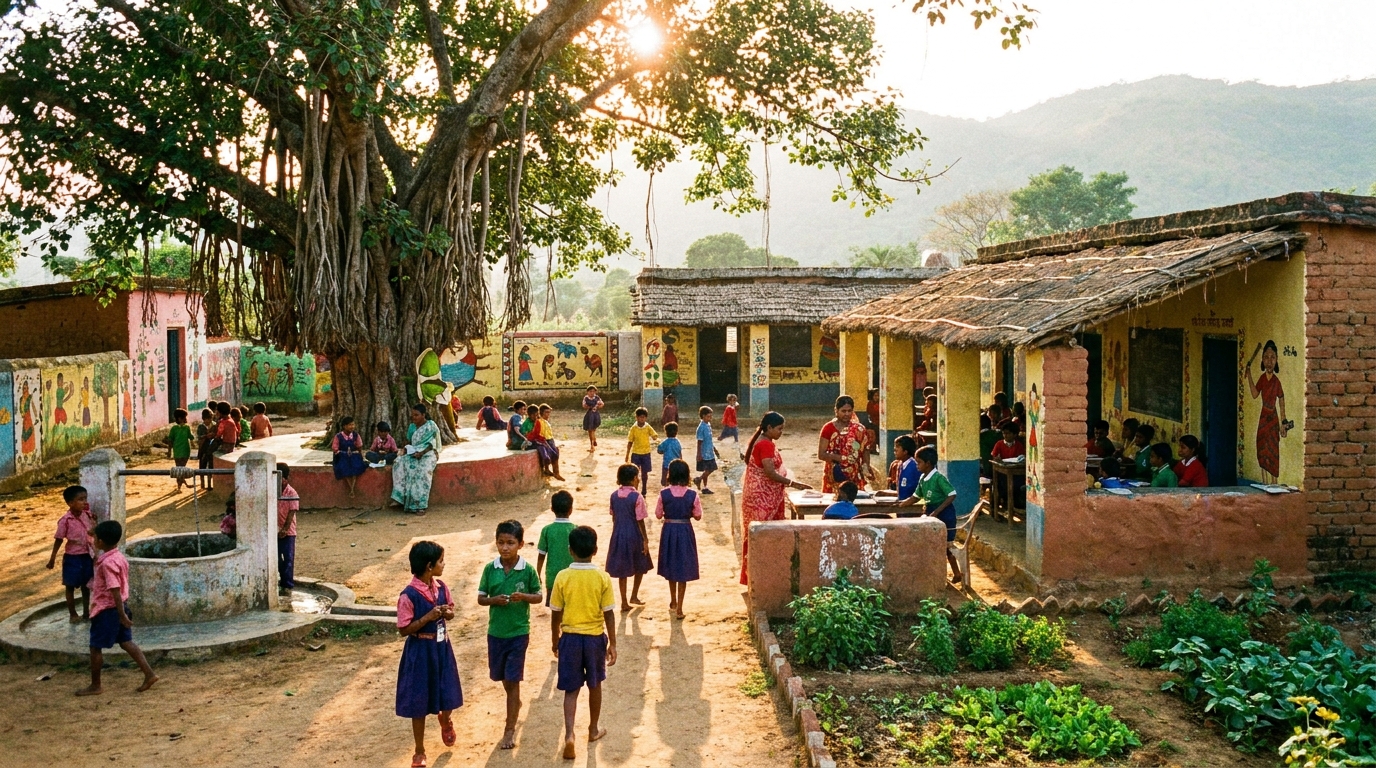
In a small village in Maharashtra, a government school faced the challenge of engaging students with limited resources. Traditional methods were losing impact, and students found it hard to connect with abstract concepts. However, the introduction of 3D educational resources changed everything, turning the classroom into an interactive learning hub.
Challenges in Rural Education
Rural Indian government schools often struggle with outdated teaching methods and limited resources. These challenges manifest in various ways:
!how 3d educational resources empower indian rural schools, india
- High student-teacher ratios: With some schools experiencing ratios as high as 60:1, personalized attention is scarce.
- Limited access to modern technology: Only about 20% of rural schools have functional computers, according to a 2022 survey.
- Engagement issues: The lack of interactive content leads to disengagement, with dropout rates in some areas reaching 30% by grade 10.
The Transformative Power of 3D Resources
The introduction of 3D interactive tools has revolutionized the way education is delivered in rural settings. Here's how 3D resources are making a difference:
- Enhanced engagement: Schools implementing 3D content have reported up to a 40% increase in student participation.
- Improved comprehension: Visual and interactive 3D models help students grasp complex concepts, such as geometry and biology, more effectively.
- Accessibility and inclusivity: With multilingual support, 3D resources cater to diverse linguistic backgrounds, crucial in multilingual regions.
Implementation Strategies for Success
Step-by-Step Integration
For schools aiming to integrate 3D resources, a structured approach ensures effective adoption:
- Needs Assessment: Evaluate specific educational needs and resource availability.
- Select Appropriate Tools: Choose platforms offering tailored content for the school curriculum, like Draftly's 3D Websites.
- Teacher Training: Equip educators with training sessions to maximize the use of 3D tools.
Overcoming Barriers
Despite the benefits, challenges exist in implementing 3D resources:
- Initial setup costs: Although significant, grants and government schemes can offset expenses.
- Technical support: Establish local partnerships for ongoing technical assistance.
Measurable Impact and Results
The impact of 3D educational resources in rural schools is profound:
- Improved academic performance: Schools using 3D tools have reported a 25% improvement in science and math scores.
- Lower dropout rates: Engaged students are less likely to drop out, with some schools noting a 15% reduction in dropout rates.
- Increased enrollment: The draw of modern education tools has led to increased enrollment in participating schools.