Using AI Websites to Promote Indian Traditional Crafts in Global Markets
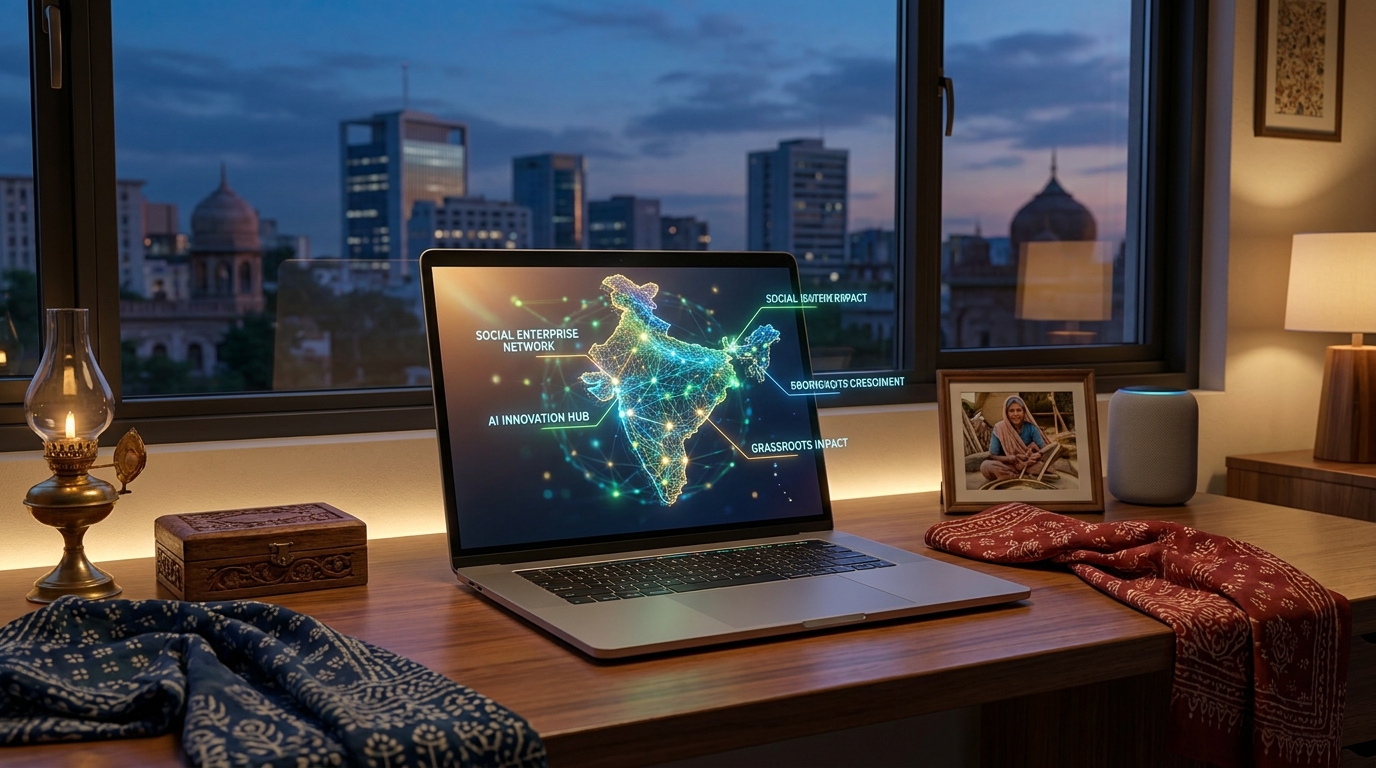
Indian traditional crafts are currently undergoing a digital renaissance, as artisans transition from local bazaars to the global stage. By using AI websites to promote Indian traditional crafts, creators can overcome the geographic barriers that previously limited their reach to local tourist circuits. In a market where authentic storytelling is the primary currency, AI-powered 3D platforms offer a unique way to bridge the gap between rural production and international demand.
The Digital Shift for Indian Artisanal Goods
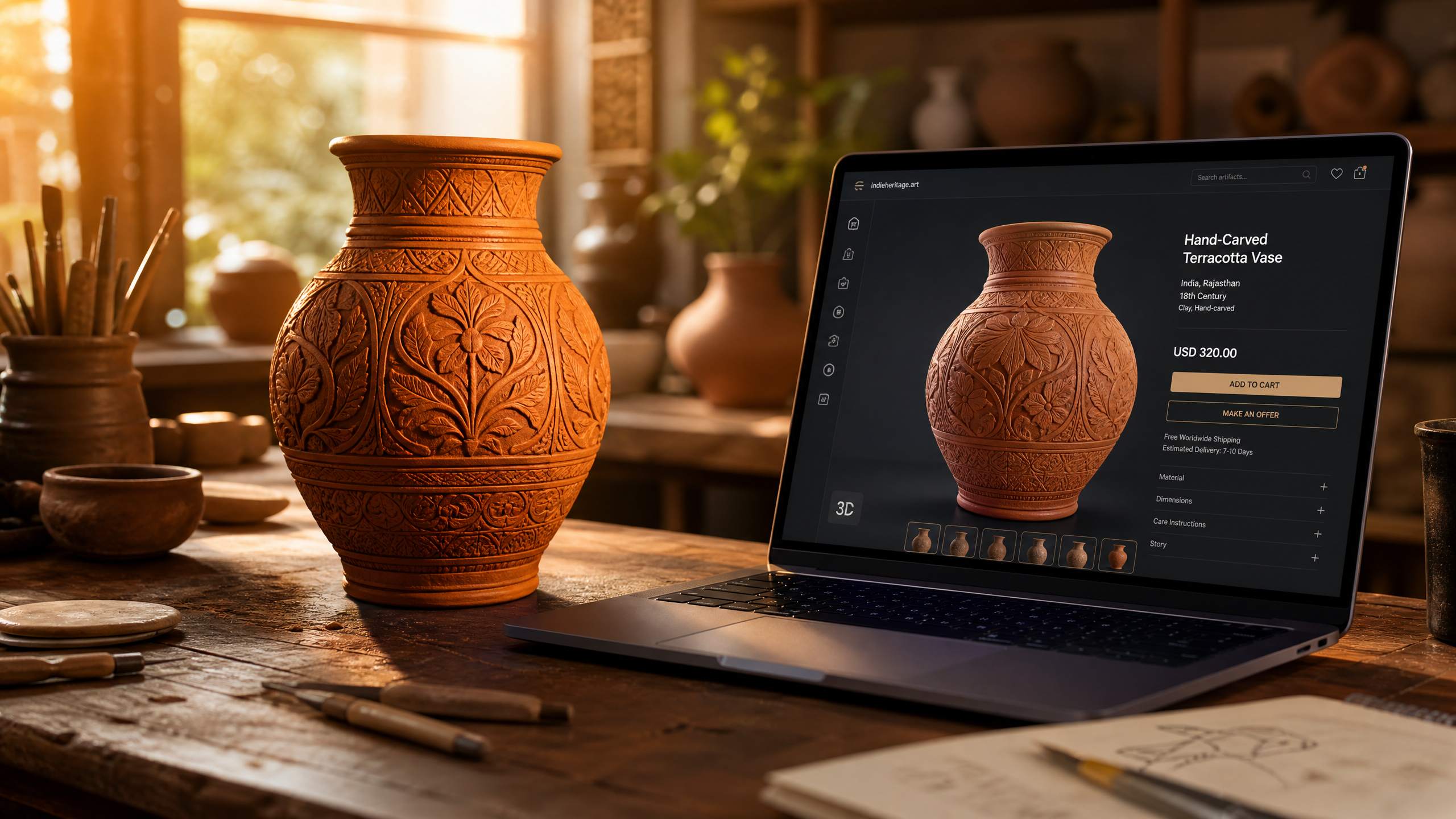
Traditional craft sectors in India, which support over 7 million artisans according to recent government estimates, are increasingly reliant on digital visibility to survive. A standard static website often fails to capture the intricate textures or the cultural significance of hand-woven textiles or brassware. Instead, 3D AI websites for Indian local artisans allow for a level of depth that mimics a physical gallery experience, enabling global buyers to appreciate the craftsmanship behind the product.

- Improved storytelling: High-definition 3D visuals explain the hours of labor involved in a single piece.
- Direct-to-consumer access: Eliminating middlemen increases artisan profit margins by an estimated 25-40%.
- Immersive heritage showcases: Virtual environments provide context on the origins and cultural history of specific crafts.
Why 3D AI Websites Are Ideal for Traditional Crafts
For many small-scale creators, the barrier to entry for professional web design has historically been high costs and technical complexity. By leveraging AI website builders for Indian NGOs and social enterprises, artisans can generate a high-end, cinematic storefront without needing a massive budget. These platforms allow for the integration of 3D product configurators for Indian fashion brands, which let customers visualize customization options in real-time, effectively reducing purchase anxiety for high-ticket items.
Overcoming Trust Barriers in Global Trade
International buyers are often hesitant to order high-value crafts from unknown sources. Interactive 3D elements build credibility by proving the authenticity of the item. When a user can rotate a piece of pottery or zoom into the weave of a silk saree, they perceive higher value and lower risk.
- Use immersive hero videos to showcase the artisan at work.
- Implement 360-degree product views to replace flat catalog images.
- Include interactive storytelling sections that map the journey from raw material to finished product.
Scaling Craft Exports with AI Technology
Scaling an export business requires more than just a beautiful site; it demands a robust infrastructure. Utilizing 3D AI websites to enhance rural tourism in India can also serve as a secondary revenue stream, inviting tourists to visit the craft villages they discovered online. Furthermore, AI tools now facilitate multilingual website creation for India’s diverse audience, ensuring that content is accessible to buyers in France, Japan, or the United States in their native languages.
Leveraging Data for Market Reach
Data-driven insights from your website can dictate which products you should prioritize for export. By tracking which 3D models receive the most interaction, you can focus your production efforts on high-demand items, reducing waste and optimizing logistics.
- Monitor dwell time on specific 3D product pages to identify top-performing collections.
- Use lead capture forms to build a direct email list of repeat international buyers.
- Integrate social proof through 3D testimonial pages for Indian coaching institutes or similar community-focused widgets to build global community trust.