The Importance of 3D AI Websites for Boosting Indian Tourism in Remote Areas
For many travelers, India’s remote landscapes—from the hidden valleys of the Northeast to the high-altitude deserts of Ladakh—remain an abstract concept seen only in static photographs. However, the rise of 3D AI websites is fundamentally changing how these off-the-grid destinations connect with a global audience. By transforming a static web presence into an immersive, scroll-driven experience, tourism boards and independent operators are finally able to showcase the true scale and beauty of their locations, bridging the gap between curiosity and confirmed bookings.
Why Remote Tourism Needs Immersive Digital Experiences
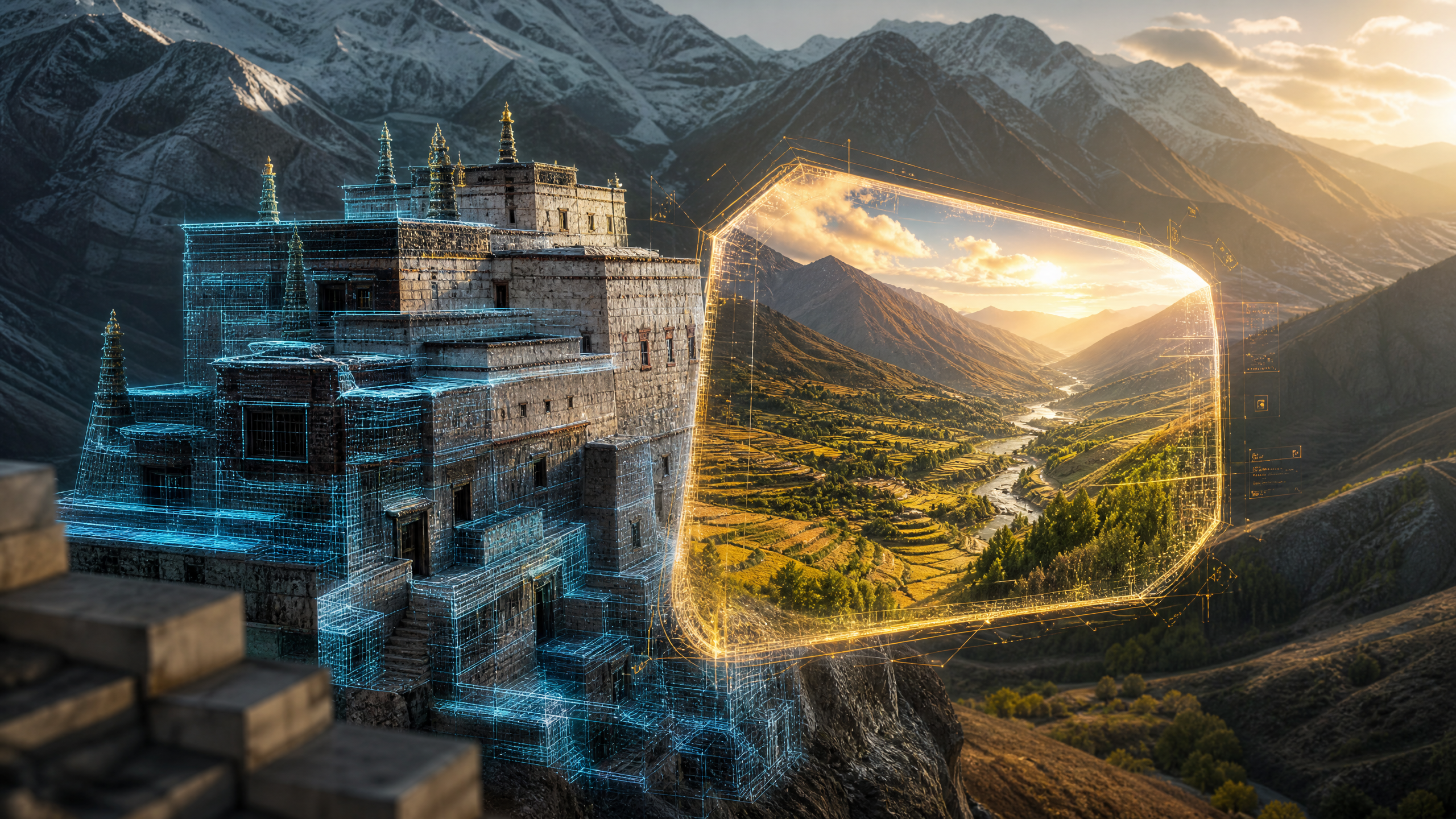
Traditional websites often fail to capture the sensory essence of a remote destination. Potential visitors are left to guess the atmosphere of a jungle trek or the majesty of a secluded Himalayan monastery. When you enhance Indian rural tourism with 3D AI websites, you provide a virtual preview that builds emotional resonance before the traveler even packs their bags. Data suggests that immersive 3D experiences can increase time-on-page by over 40%, keeping potential tourists engaged with the narrative of your location.

- Virtual Previews: High-fidelity 3D environments allow users to explore trails or heritage sites virtually.
- Increased Trust: Immersive storytelling proves the authenticity of a remote destination, which is vital for attracting international travelers.
- Higher Conversion: Interactive booking interfaces directly within a 3D scene reduce friction, making it easier to turn interest into revenue.
Leveraging 3D AI Websites for Remote Destination Marketing
Marketing in remote areas often suffers from limited budgets and poor physical reach. Digital infrastructure is the great equalizer. By utilizing 3D AI website design tips for Indian wildlife tours, operators can create a "digital storefront" that feels premium and trustworthy. Modern AI builders allow these businesses to scale their presence without the prohibitive costs of traditional high-end web development agencies.
Overcoming the Visibility Gap
Many remote areas in India struggle with limited discoverability on search engines. A 3D website doesn't just look good; it acts as a hub for 3D interactive maps that transform Indian tour operator websites. These maps provide clarity on travel logistics, which is the number one concern for travelers visiting remote regions. When you guide a user through a 3D itinerary, you are effectively reducing the perceived risk of traveling to an unfamiliar or isolated place.
- Use AI to generate 3D assets that represent local flora, fauna, or architecture.
- Implement scroll-triggered animations to guide the user through a narrative journey.
- Integrate local booking calendars to capture leads while the visitor is still immersed in the 3D environment.
The Economic Impact of Digital Immersive Tech
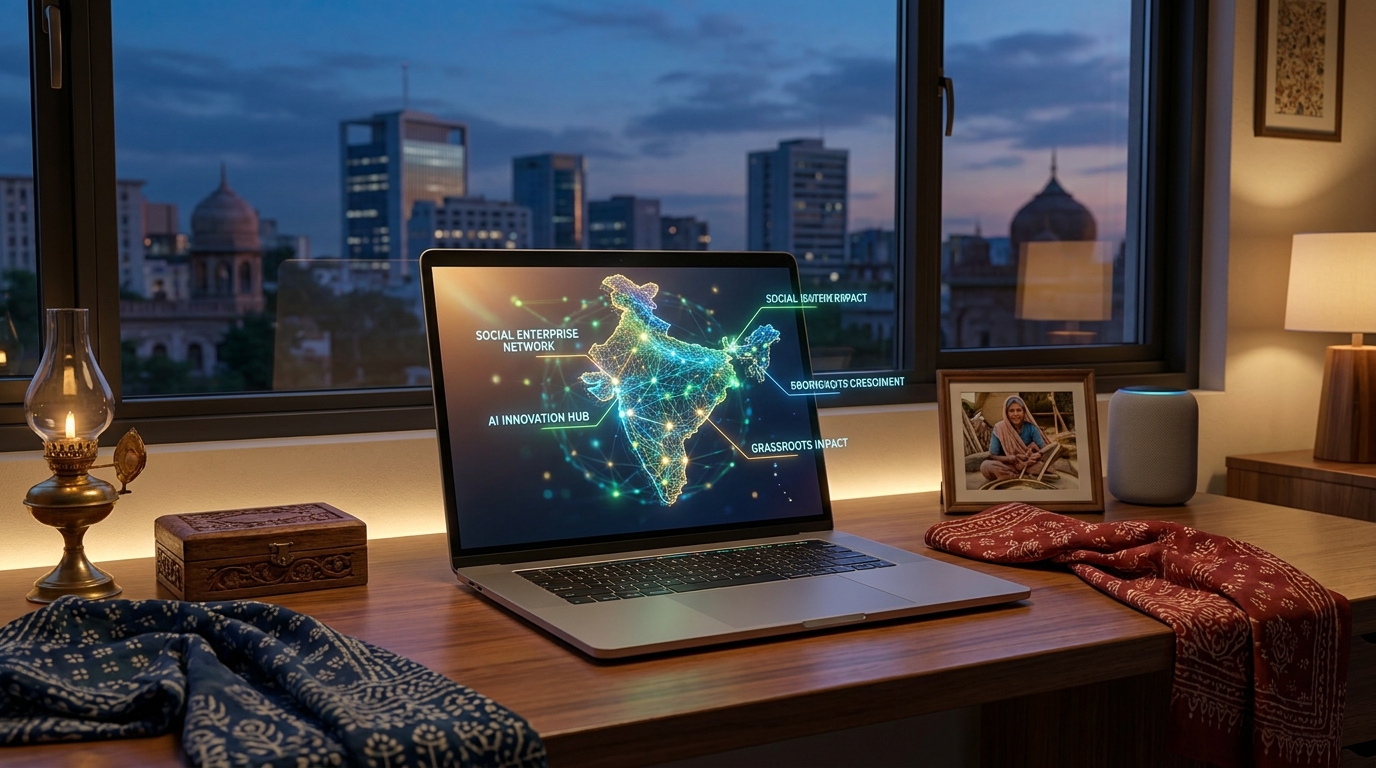
When we discuss how 3D AI websites boost visibility for Indian social enterprises, we see a direct correlation between digital engagement and rural economic growth. These websites allow local artisans, home-stay owners, and guides to bypass intermediaries, keeping a larger share of tourism revenue within the local community. It is about more than just aesthetics; it is about providing a platform for regional growth that was previously accessible only to large-scale hotel chains.
- Direct Revenue Retention: Bypassing global OTAs by hosting bookings directly on your 3D platform.
- Community Empowerment: Showcasing the unique stories of local guides and indigenous crafts.
- Accessibility: Using AI to ensure these sites are fast, lightweight, and accessible even in regions with intermittent 4G connectivity.
Building for the Future of Indian Travel
As we look toward 2026, the competitive landscape for Indian tourism will be defined by user experience. Travelers are no longer satisfied with simple "Contact Us" forms. They expect a cinematic experience that tells the story of the destination. By adopting 3D AI website features for Indian wildlife tours, businesses can differentiate themselves in a crowded market. Whether you are managing a boutique eco-resort or a regional tourism board, the technology to create these experiences is now accessible to everyone, not just those with massive budgets.
FAQ: Boosting Tourism with 3D AI
Do 3D AI websites actually increase bookings for remote areas?
Yes. By providing an immersive "try-before-you-fly" experience, these websites build confidence in travelers who might otherwise be hesitant to book a trip to a remote, unfamiliar destination. Increased engagement and reduced friction in the booking process directly correlate with higher conversion rates.
Are 3D websites too slow for users with limited internet access?
Modern 3D website builders, like Draftly, are engineered for performance. By optimizing assets and using lightweight rendering techniques, 3D sites can load quickly even in areas with lower bandwidth, ensuring that users in India's remote regions can still access and enjoy the experience.
How can a small eco-lodge in a remote village afford a 3D website?
AI-native platforms have removed the need for expensive design agencies. By using a single prompt to generate a cinematic, 3D experience, small business owners can build a professional-grade website in hours rather than months, significantly reducing the cost of entry.
Will a 3D website help me rank better on Google?
Absolutely. Google prioritizes pages with high engagement, low bounce rates, and helpful content. A 3D site that keeps users engaged longer, provides clear information, and uses proper schema markup will naturally perform better in search rankings compared to a static, unengaging site.