How 3D AI Websites are Surpassing Traditional E-commerce for Indian Handicraft Sellers
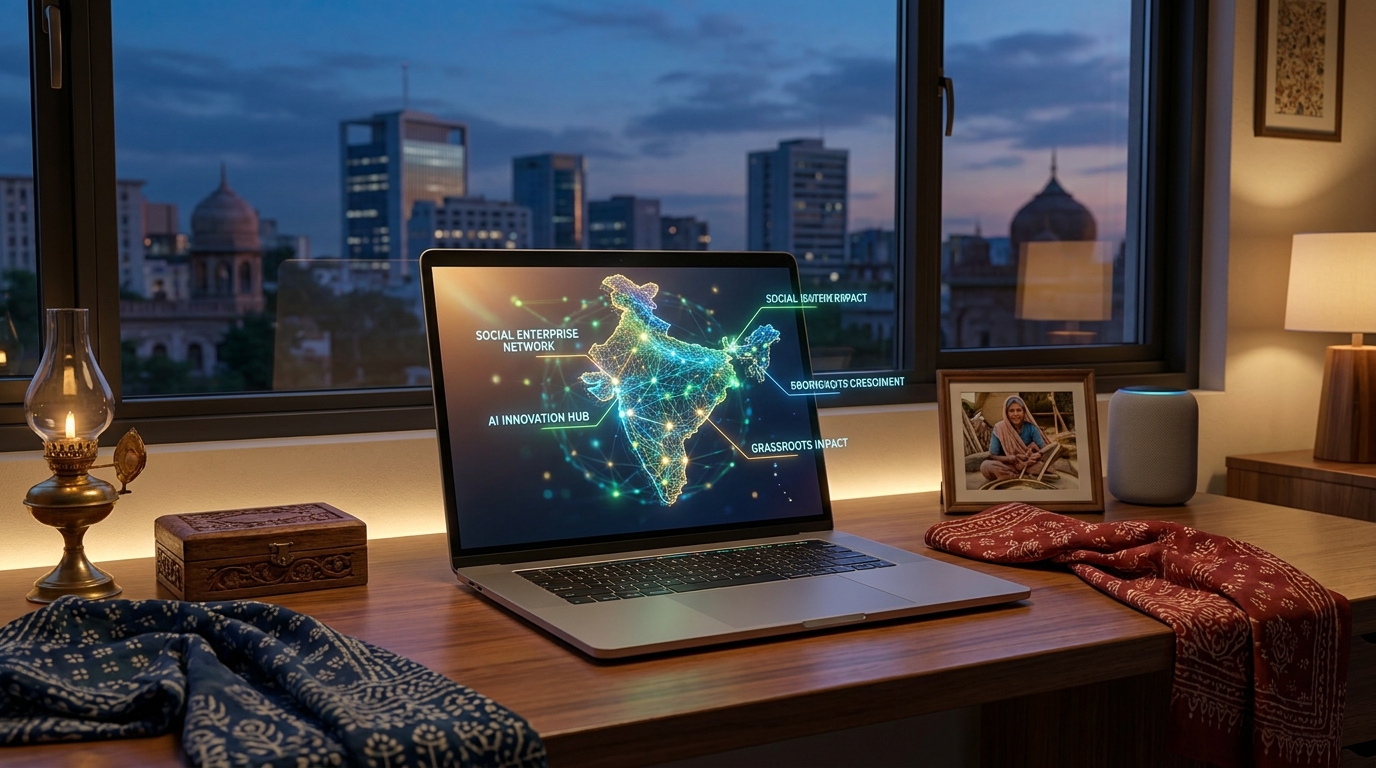
Indian handicraft sellers are finding that traditional, flat e-commerce templates are no longer sufficient to capture the intricate beauty of handmade products. By adopting 3D AI websites, artisans are transforming the digital shopping experience from a static list of items into an immersive journey that mirrors the tactile nature of their craft. This shift is not just aesthetic; it is a fundamental change in how digital trust is built in a market that relies heavily on authenticity and storytelling.
The Shift from Static Catalogs to Immersive 3D AI Websites
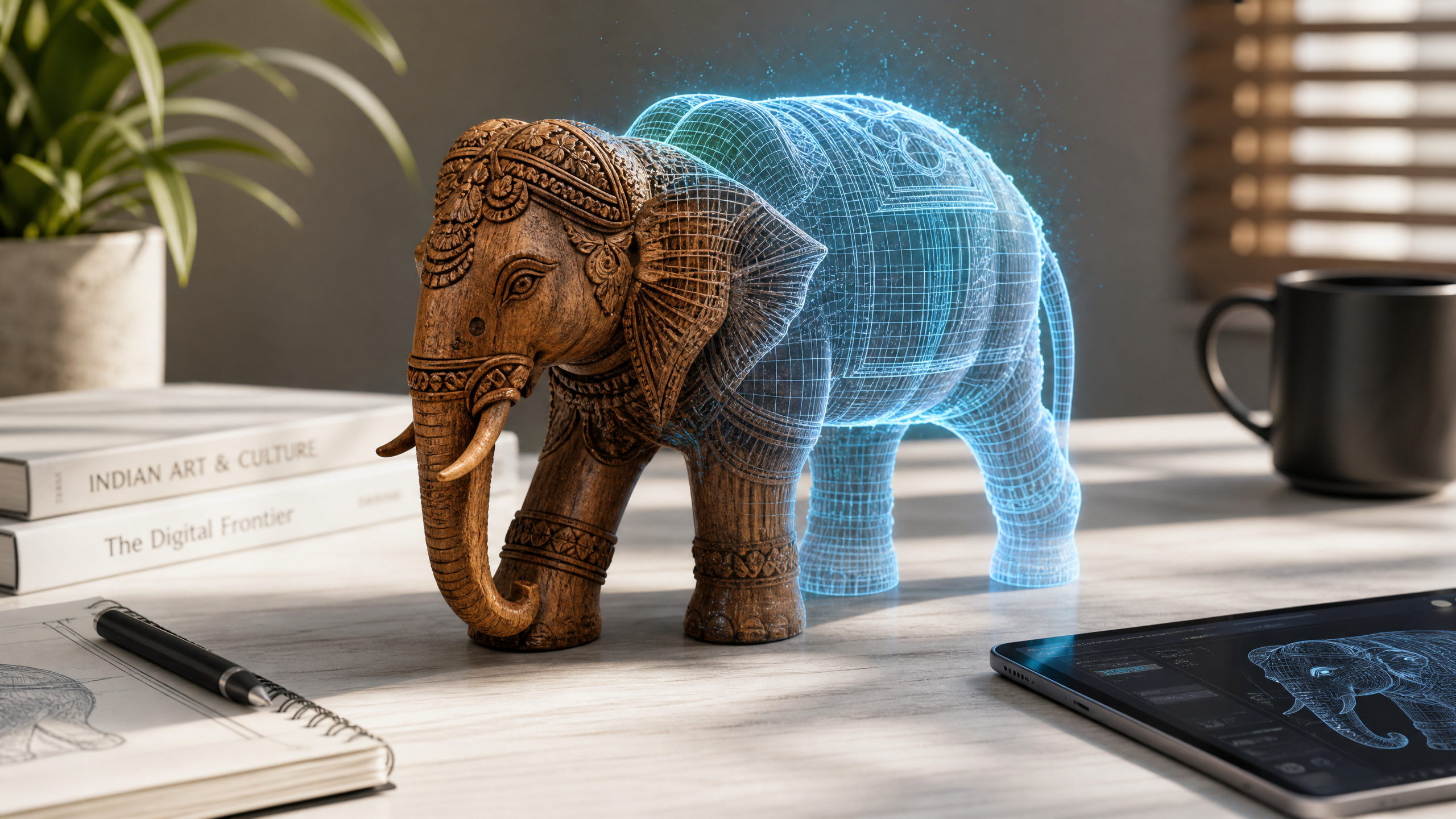
Traditional e-commerce platforms often fail to convey the texture, weight, and artisan narrative behind Indian handicrafts. A 3D AI website changes this by utilizing scroll-driven animations that guide users through a product's creation story. When a customer can zoom in on the weave of a Pashmina or rotate a brass artifact in a 3D virtual showroom, the perceived value increases significantly.

- Improved engagement: Interactive elements keep users on the page for 150% longer than static images.
- Reduced friction: 3D Product Configurators allow customers to visualize custom orders before purchase.
- Enhanced trust: Showing the artisan’s workshop in 3D creates an emotional connection that standard templates cannot replicate.
Why 3D AI Websites Outperform Traditional E-commerce
Data suggests that digital storefronts featuring 3D elements see a 40% reduction in product returns compared to standard photography. For handicraft sellers, this is a game-changer. When a user understands the exact texture and scale of a product through immersive 3D design, the gap between the online screen and the physical product shrinks.
Scaling Digital Presence for Indian Artisans
Many rural artisans are bypassing traditional marketplaces to build their own 3D AI-driven portfolios to reach a global clientele. By integrating AI-powered product recommendations, these sellers can offer a high-end, personalized experience that was previously accessible only to luxury brands. The technology allows a home-based artisan to present a professional, cinematic front that commands international pricing.
- AI-driven storytelling highlights the origin and process of the handicraft.
- 3D models provide a tactile sense of quality that replaces physical touch.
- Dynamic pricing displays build confidence through transparent, interactive modules.
Driving Growth in India's Handicraft Clusters
Local textile clusters are seeing a surge in exports by embracing 3D AI websites to empower rural entrepreneurs. By replacing outdated, slow-loading pages with high-performance 3D environments, these businesses are capturing the attention of tech-savvy global buyers who demand high-quality digital experiences. This technology bridges the gap between traditional craftsmanship and the demands of the modern digital economy.