Building a Fashion Brand Website in India: From Browse to Buy
India's fashion market is transforming. The same consumer who shops at a high street brand in a mall expects the same brand-storytelling experience when they visit that brand's website. And increasingly, the website comes first — customers research online, then buy in-store or online.
The Indian Fashion Consumer in 2025
Understanding who you're building for:
- Mobile-first: 78% of Indian fashion e-commerce happens on smartphones
- Visual-dominant: Product discovery is almost entirely image and video-driven
- Occasion-driven: Indian fashion purchases are heavily tied to occasions — weddings, festivals, work, casual
- Trust-sensitive: First-time buyers from new brands need significant social proof before transacting
- Price-aware but not always price-sensitive: Buyers want to feel the value justifies the price
The Brand Story: Non-Negotiable for Premium
If you're charging more than mass-market prices, your website needs to justify why. This means:
- Craft story: How is the product made? By whom? With what materials?
- Inspiration: What's the aesthetic philosophy? What does the brand stand for?
- Community: Who wears this? What does it say about them?
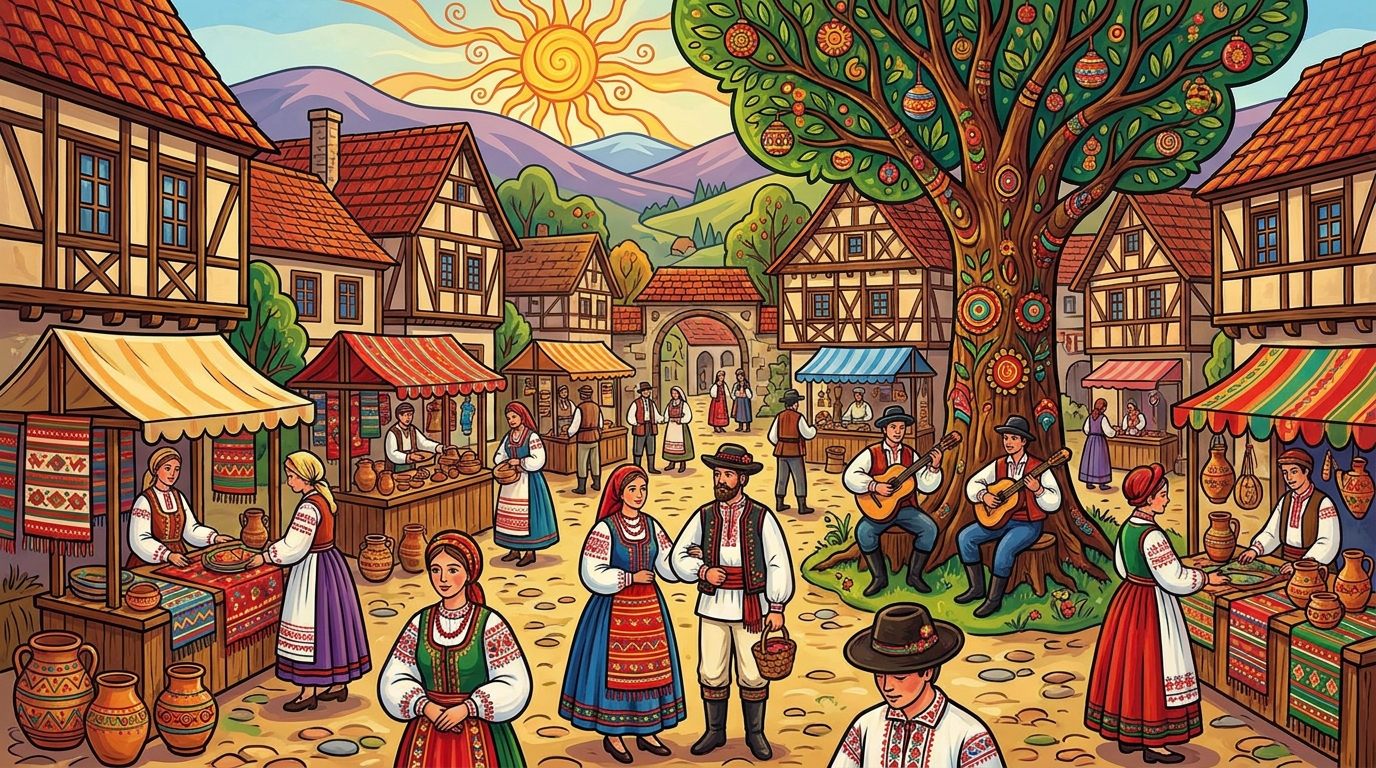
A salwar suit brand from Jaipur with roots in traditional block printing can charge 2x what a generic brand charges — but only if the website communicates that provenance and craft clearly.
Product Photography for Indian Fashion
Indian fashion photography has specific requirements:
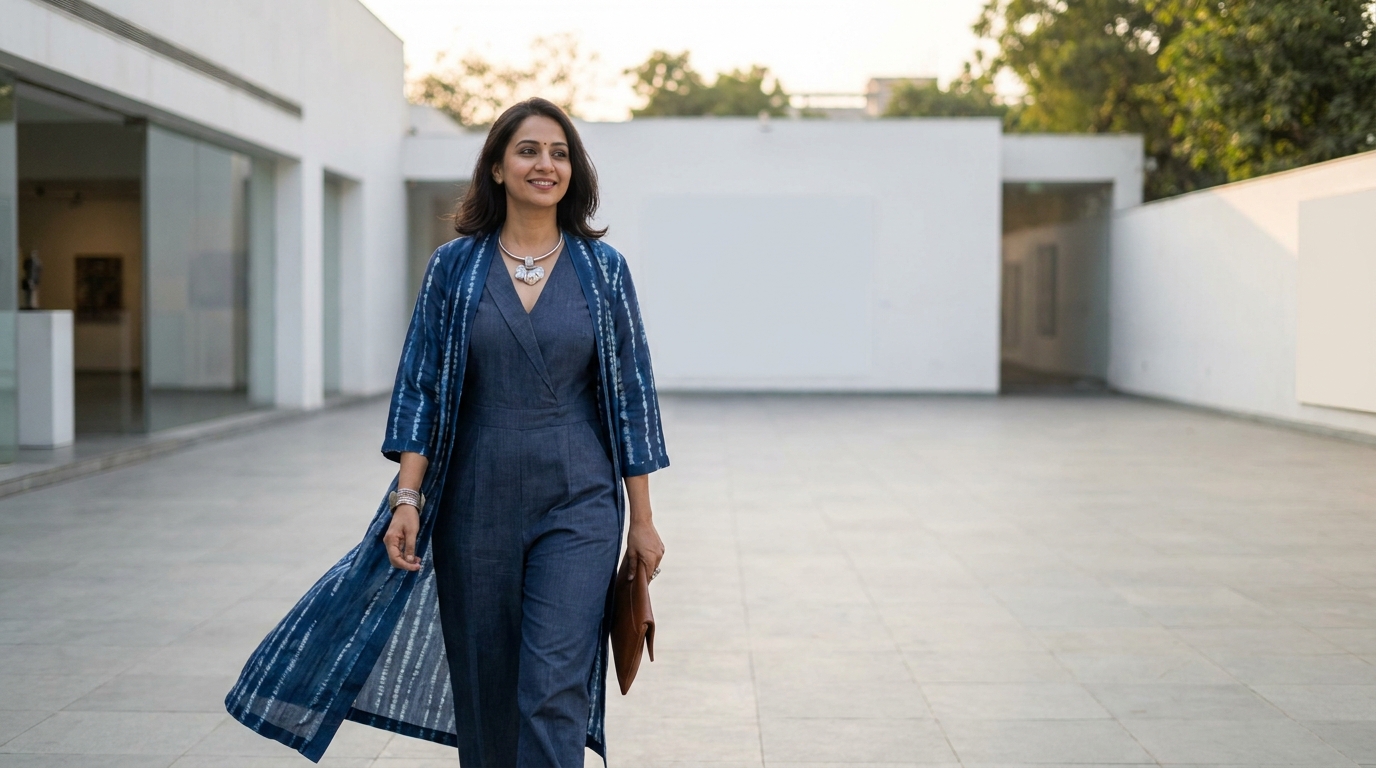
- Multiple skin tones: Show the product on models that represent your actual customers, not just fair-skinned models
- Context shots: Not just on a white background — the product in its natural context (street, office, event)
- Detail shots: Embroidery, fabric texture, stitching quality — for premium products, these details justify price
- Sizing: Indian sizing is not standardized. Include detailed size guides with measurements in centimeters.
The Mobile Checkout Problem
India has the world's highest cart abandonment rate on mobile for fashion — partly because mobile checkouts are poorly designed. What matters:
- UPI and net banking must be supported (not just cards)
- Guest checkout option (not everyone wants to create an account)
- Clear shipping timeline and cost before the final step
- Easy returns/exchange policy — prominently visible before purchase
WhatsApp as a Sales Channel
Many Indian fashion brands, particularly in the premium segment, have found that WhatsApp direct sales significantly outperform website checkout. Customers send photos asking about fabric, sizing, or customization — and close the sale in the conversation.
The optimal setup: website for discovery and brand establishment → WhatsApp for personalized sales conversation → payment via UPI link sent in WhatsApp.
This works particularly well for:
- Handloom and artisanal fashion
- Wedding and occasion wear
- Customization-heavy products
- High-value items where the buyer wants reassurance
Seasonal and Festival Optimization
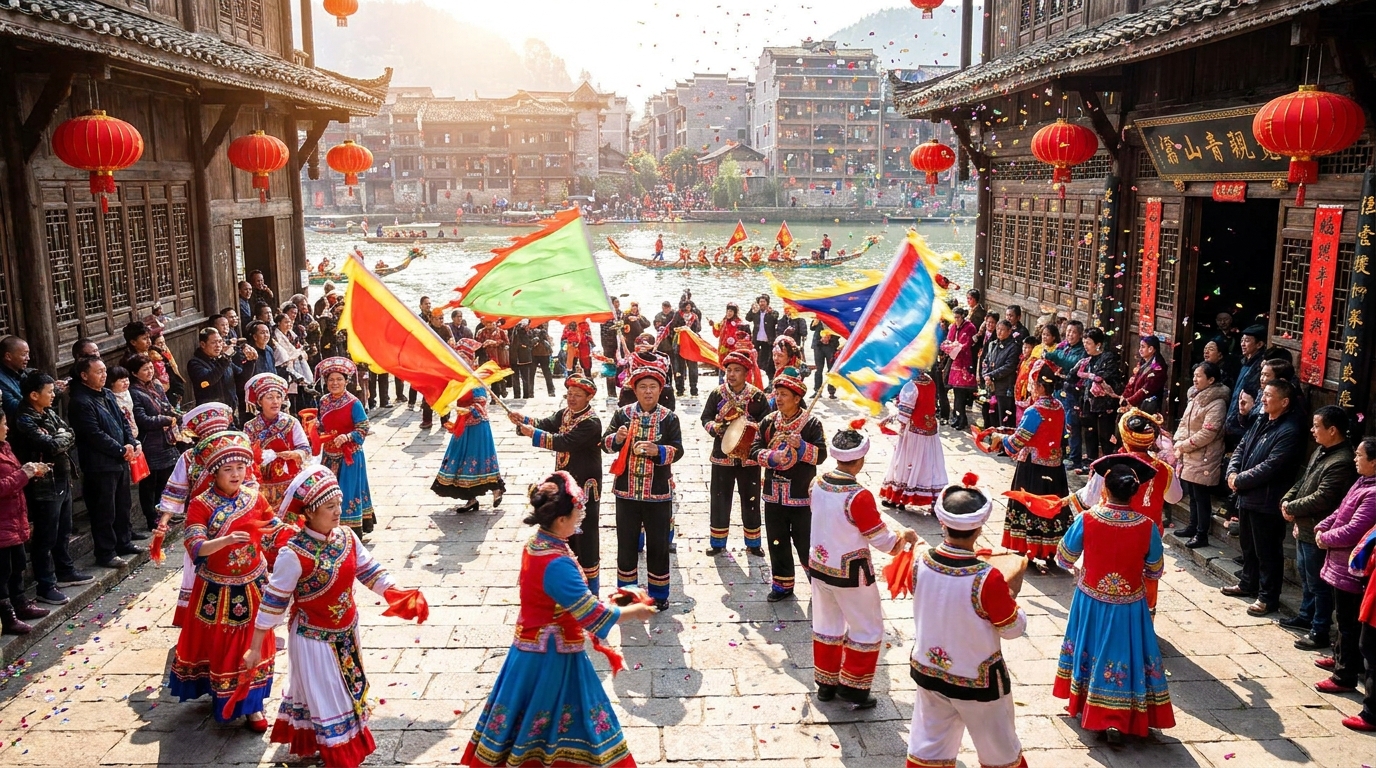
Indian fashion demand is extremely seasonal. Major purchase events: Diwali, Durga Puja, Eid, Navratri, wedding season (October-February, April-May). Build your website with the ability to easily update hero sections and featured collections for these moments.
Plan content updates for at least 2 weeks before major festivals — that's when consumers are actively researching.