Why Draftly Uses AI for Design and Copywriting Simultaneously
Most website builders treat design and copy as separate tasks. You pick a template, then fill in the blanks. This disconnected process is why so many websites feel disjointed. The visuals say one thing, the words say another. Draftly's core philosophy is different: we use AI for both design and copywriting simultaneously because a truly effective website is born from a single, unified idea. This integrated approach isn't just faster; it produces a more cohesive, persuasive, and higher-converting final product.
Traditional web development workflows are notoriously fragmented. A designer creates a visual structure, often using placeholder lorem ipsum text. Weeks later, a copywriter is asked to fill these pre-defined boxes. The result? A constant battle between message and medium. This friction is a significant source of project delays, with studies showing that content-related issues are responsible for over 30% of website launch delays.
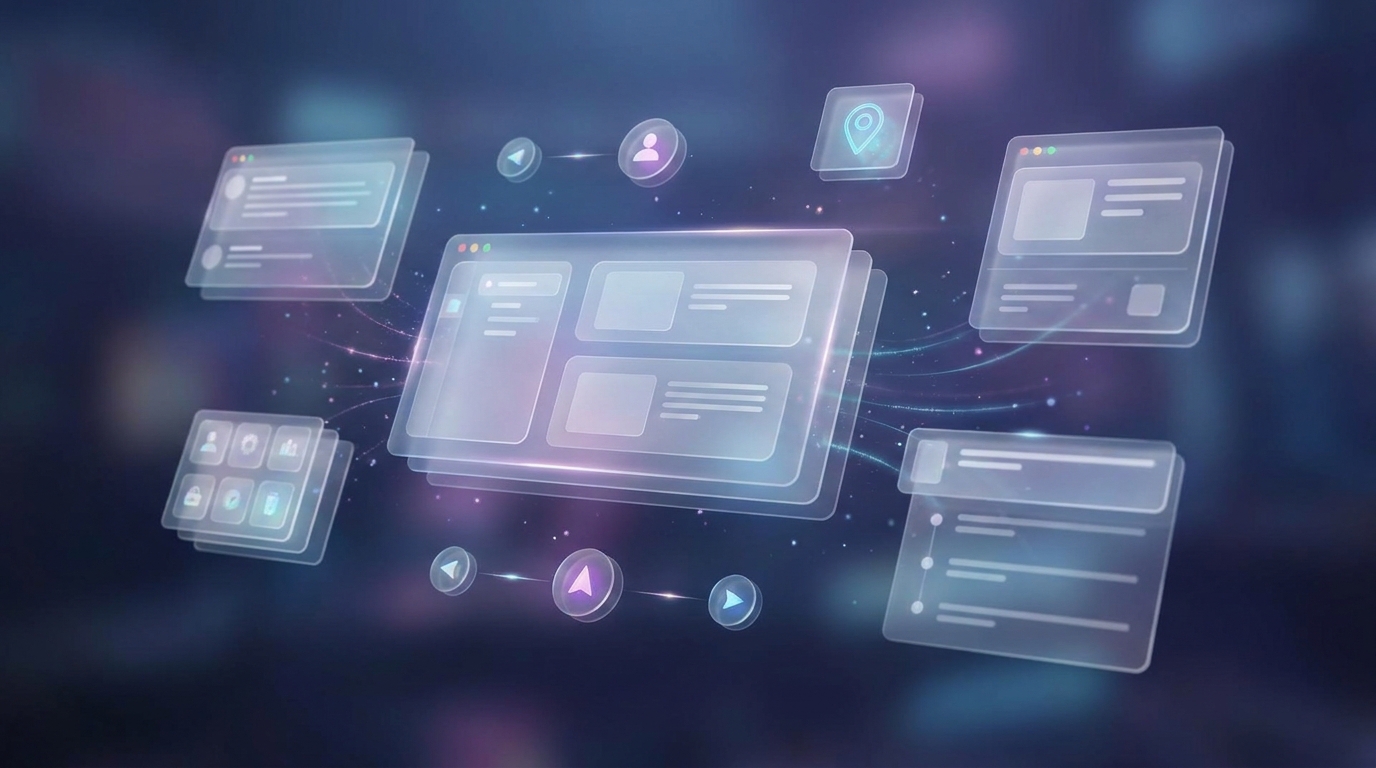
By generating the entire site—from the 3D hero section to the final call-to-action—from a single prompt, Draftly ensures that every element serves the same strategic goal. The copy informs the layout, and the design reinforces the copy's tone, creating a seamless user experience that feels intentional from the first scroll.
The Problem with the 'Design-First, Copy-Later' Model
The conventional method of building a website is fundamentally broken. It operates on the assumption that design is a container and copy is the liquid you pour into it. This leads to predictable and costly problems that undermine a website's effectiveness before it even goes live.
!why draftly uses ai for design and copywriting simultaneously, product
When design and copy are created in silos, you get a creative tug-of-war. The copywriter’s brilliant headline is too long for the designer’s minimalist banner. The designer’s elegant, spacious layout leaves no room for the necessary product details. This disconnect forces compromises that weaken the overall message.
- Message Dilution: A 2022 survey by the Content Marketing Institute found that brand consistency was a top challenge for 65% of marketers. When copy and design aren't aligned, the core message gets diluted, confusing visitors and weakening brand recall.
- Endless Revision Cycles: The back-and-forth between design and copy teams can increase project timelines by 40-50%. Each revision is a negotiation, burning time and budget that could be spent on growth.
- Poor User Experience: Visitors can sense a lack of cohesion. A website with bold, aggressive visuals but passive, uninspired copy creates cognitive dissonance. This friction increases bounce rates and kills conversions. Research from Forrester suggests websites with a high degree of message-to-design consistency convert up to 200% better.
How Simultaneous AI for Design and Copywriting Creates Coherence
Draftly’s approach starts with a single source of truth: your prompt. This short description of your business and goals becomes the central DNA for both the visual and verbal identity of your website. This is what makes using AI for both design and copywriting so powerful.
What is simultaneous AI generation? It's a process where our AI models interpret the core intent of your prompt and generate contextually aware copy and aesthetically matched design elements at the same time. The layout, 3D models, color palette, typography, and copy are all derived from the same conceptual blueprint.
A Unified Creative Brief
Think of your Draftly prompt as the ultimate creative brief. When you write, “An e-commerce site for 'Aura,' a minimalist, sustainable home decor brand from Scandinavia,” the AI unpacks this concept into a set of related attributes:
- For Design: It translates "minimalist" and "Scandinavia" into a clean layout, ample white space, natural textures, and an earthy color palette. "Sustainable" informs the choice of imagery, perhaps featuring recycled materials or natural environments.
- For Copywriting: It pulls on the same concepts to generate headlines like, "Mindful Living, Beautifully Designed." The body copy will adopt a calm, considered tone, using words like "handcrafted," "ethically sourced," and "timeless design."
Data-Driven Synergy in Action
This synergy isn't just about looking good; it's about performing better. A cohesive website guides the user journey more effectively.
- Visual Hierarchy Meets Narrative Flow: The AI-generated copy determines the most important messages, and the AI design engine builds a visual hierarchy to support them. The most important headline gets the most visual weight. Key benefits are placed in sections with engaging scroll animations.
- Emotional Consistency: The tone of the copy is mirrored in the design choices. A prompt for a high-tech cybersecurity firm will yield sharp, precise fonts and a secure, professional color scheme, paired with copy that speaks of threat detection and robust protection. This consistency builds trust far more effectively than mismatched elements ever could. The goal is to ensure your brand's look and feel are in perfect harmony, something you can refine when you customise fonts, colors and your brand kit in Draftly.
The Technical and Creative Advantages of an Integrated AI
Beyond creating a more cohesive final product, generating design and copy in tandem delivers massive efficiency gains and unlocks new creative possibilities.
Radical Speed and Efficiency
The most obvious advantage is speed. A traditional website project can take anywhere from 6 to 16 weeks, bogged down by communication gaps and siloed workflows. Draftly collapses this timeline into minutes.
- Traditional Workflow (Simplified): Brief -> Wireframe -> Mockup (Design) -> Copywriting -> Revisions -> Development -> QA -> Launch.
- Draftly Workflow: Prompt -> Unified Generation -> Edit & Launch.
Brand Consistency from Day One
Brand guidelines are often created after the initial assets, leading to a constant effort to retrofit consistency. Draftly builds it in from the first second. The AI acts as the ultimate brand guardian, ensuring the visual language and verbal tone are always aligned. This is crucial because consistent brand presentation has been shown to increase revenue by up to 33%.
This built-in consistency makes your website the perfect foundation for all other marketing materials. The headlines, color codes, and visual motifs generated for your site can be directly used in social media posts, ad campaigns, and email newsletters, creating a truly omnichannel brand experience. This is how 3D websites are the next frontier for brand differentiation.