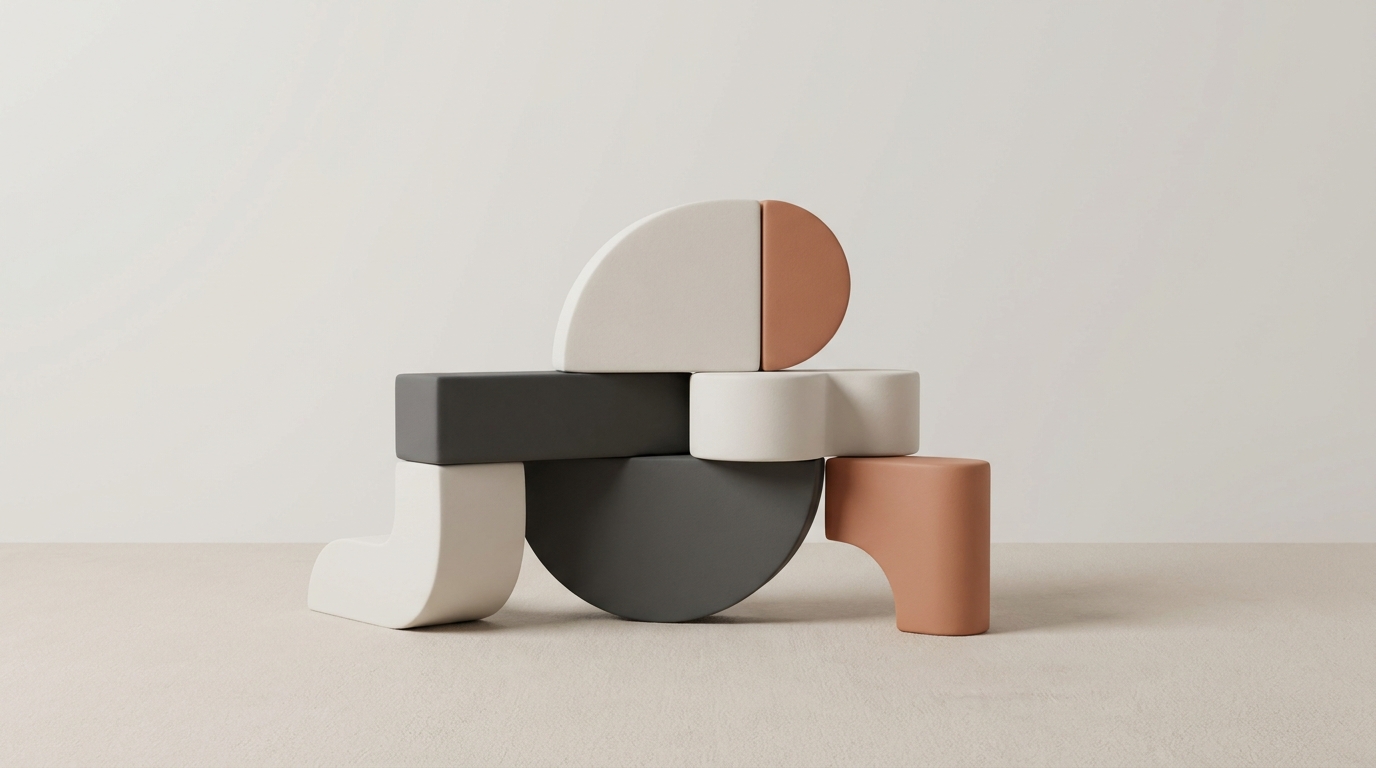
Neumorphism, a portmanteau of 'new' and 'skeuomorphism', emerged as a distinct design trend, offering a fresh perspective on user interface aesthetics. It represents a stylistic evolution, moving away from the stark flatness of flat design while avoiding the literalism of traditional skeuomorphism. At its core, Neumorphism creates an illusion of depth and tactility by meticulously manipulating shadows and highlights on a monochromatic or near-monochromatic surface. This results in UI elements that appear to be extruded from or indented into the background, giving them a soft, almost sculptural quality.
!neumorphism web design soft ui for modern interfaces, product
The aesthetic appeal of Neumorphism lies in its subtlety and sophistication. It leverages the human brain's natural ability to perceive depth from light and shadow, translating this into an intuitive digital experience. Instead of hard lines and vibrant contrasts, Neumorphism employs gentle gradients and dual shadows – one light, one dark – to sculpt elements. This approach gives buttons, cards, and input fields a tangible presence, suggesting they can be pressed, toggled, or interacted with in a physical manner. The trend gained significant traction for its ability to infuse interfaces with a sense of calm elegance and refined modernism, appealing to designers and brands seeking a distinctive visual identity.
The Philosophy of Soft UI
The 'soft UI' moniker aptly describes Neumorphism's underlying philosophy. It prioritizes a harmonious visual experience, where elements blend seamlessly with their surroundings rather than standing out sharply. This contrasts significantly with flat design's emphasis on minimalist, two-dimensional elements, and skeuomorphism's direct replication of real-world objects. Soft UI aims for an intermediate ground, providing just enough visual cue to suggest interaction without overwhelming the user with excessive detail or stark separations.
This design paradigm fosters a calmer, less visually noisy environment. It encourages a more focused user experience by reducing visual clutter and highlighting interactive elements through perceived dimensional shifts. The gentle push-and-pull effect of Neumorphic buttons, for instance, provides a subtle haptic feedback loop, enhancing the sense of direct manipulation. This focus on intuitive interaction and understated elegance makes Neumorphism particularly suitable for applications where a premium, sophisticated feel is desired, such as banking apps, productivity tools, or high-end e-commerce platforms.
Key Characteristics of Neumorphism
To achieve its distinctive look, Neumorphism relies on several core characteristics:
- Monochromatic or Analogous Color Schemes: The foundation of Neumorphic design is a limited color palette, often shades of a single color or closely related hues. This consistency is crucial for the shadow effects to appear natural and integrated, rather than creating jarring contrasts. Slight variations in saturation and brightness are used to differentiate elements without introducing new colors.
- Subtle Dual Shadows: This is the defining feature. Each Neumorphic element typically has two shadows: a lighter, often white or light grey shadow cast from one direction (e.g., top-left) and a darker shadow cast from the opposite direction (e.g., bottom-right). These shadows, along with a slight gradient on the element's surface, create the illusion of depth – either extruded (popping out) or indented (pressed in). The shadows are soft, diffused, and have low opacity.
- Rounded Corners: Sharp corners can disrupt the 'soft' aesthetic. Rounded corners contribute to the organic, tactile feel of Neumorphic elements, making them appear more approachable and less rigid.
- Emphasis on Interaction and Perceived Tactility: The entire design aims to make elements feel interactive. A button, for example, might appear extruded when inactive and indent when pressed, providing a clear visual state change that mimics physical interaction.
Advantages for Modern Interfaces
Neumorphism offers several compelling advantages for contemporary web and application design:
* Visual Elegance and Sophistication: The subtle interplay of light and shadow creates a clean, premium aesthetic that can elevate a brand's digital presence. It conveys a sense of meticulous design and attention to detail.
* Improved User Experience through Perceived Interactivity: By mimicking physical controls, Neumorphism can make interfaces feel more intuitive and engaging. Users gain a clearer understanding of what elements are interactive and how they might respond.
* Brand Differentiation: In a crowded digital space, a unique and well-executed Neumorphic design can help a brand stand out, signaling modernity and a forward-thinking approach.
* Enhanced Focus: The softer aesthetic can reduce cognitive load, allowing users to focus on content and primary actions without being distracted by overly bold or contrasting UI elements.
Challenges and How to Overcome Them
Despite its advantages, Neumorphism presents specific design challenges that require careful consideration:
- Accessibility: The reliance on low contrast between elements and their background, particularly for text or icons, can pose significant accessibility issues for users with visual impairments. Overcoming this requires increasing text contrast beyond typical Neumorphic guidelines, ensuring interactive elements have clear focus states, and potentially offering high-contrast modes. When building with Draftly, designers can leverage tools to test their site on mobile before launch, verifying readability across devices and ensuring accessibility standards are met.
- Complexity and Visual Clutter: Applying Neumorphism universally can lead to a busy, overwhelming interface. Too many extruded or indented elements can confuse users and dilute the effect. The solution lies in strategic application: use Neumorphism for primary interactive elements (buttons, toggles, input fields) and larger containers, while keeping informational text or less critical elements simpler.
- Performance: While modern browsers are efficient, rendering numerous complex shadows can sometimes impact performance, especially on less powerful devices. Optimised CSS and judicious use are key. Draftly's architecture is designed to handle sophisticated visual effects while maintaining 3D website loading speed, ensuring that even visually rich designs remain performant.
Implementing Neumorphism with Draftly
Draftly, as an AI 3D website builder, offers a powerful platform to experiment with and implement Neumorphic design principles, especially when combined with its inherent 3D capabilities. The builder's flexibility allows for precise control over the visual elements crucial for Neumorphism:
* Color and Brand Kit Customization: Achieving the monochromatic base and subtle color shifts essential for Neumorphism is streamlined with Draftly's brand kit features. Designers can easily customise fonts, colors and their brand kit in Draftly, ensuring a consistent, soft color palette across the entire site. This allows for the precise selection of base colors and their lighter/darker variants for shadow effects.
* Section and Block Design: Draftly's extensive section library provides a foundation for building layouts. Designers can adapt these blocks, applying custom CSS for shadows and gradients to create Neumorphic cards, buttons, and input fields. The ability to fine-tune spacing and element placement is crucial for the clean aesthetic.
* Subtle Animations and Transitions: Neumorphism thrives on subtle feedback. Draftly's capabilities for page transitions and section animations can be used to enhance the Neumorphic effect. For example, a button could subtly 'indent' or change its shadow configuration upon hover or click, providing clear visual feedback without jarring movements.
* Complementing with 3D Elements: While Neumorphism creates an illusion of depth, Draftly's core strength lies in actual 3D rendering. This presents a unique opportunity: Neumorphic UI elements can frame or interact with true 3D models and scenes, creating an even more immersive and tangible experience. This integration allows designers to push beyond simulated depth, leveraging Draftly's capabilities to create 3D websites that are the next frontier for brand differentiation. Imagine a Neumorphic card showcasing a rotating 3D product model – a powerful combination of soft UI and genuine spatial presence.
* AI Image Generation: For creating custom icons or background textures that align with the soft UI aesthetic, Draftly's AI image generation tools can be invaluable. This ensures all visual assets maintain the desired smooth, understated appearance.
Best Practices for Neumorphism
To successfully implement Neumorphism and avoid its pitfalls, consider these best practices:
* Use Sparingly and Strategically: Reserve Neumorphic effects for primary interactive elements and key content containers. Avoid applying it to every single element on the page.
* Prioritize Contrast and Readability: Always ensure text and icon contrast meets accessibility standards. Do not sacrifice readability for aesthetics. Provide clear visual cues for interactive states.
* Maintain Consistency: Apply the same shadow and gradient logic across all Neumorphic elements for a cohesive look.
* Test Across Devices: The subtle nature of Neumorphism means it can look different on various screens and lighting conditions. Thorough testing is essential.
* Combine Thoughtfully: Neumorphism can be effectively combined with elements of flat design or subtle gradients to create a balanced and functional interface.
Neumorphism offers a compelling avenue for designers seeking to create interfaces that are both visually appealing and intuitively interactive. By understanding its principles and leveraging powerful tools like Draftly, designers can craft sophisticated web experiences that stand out for their elegance and tactile feel.
Ready to explore the soft UI aesthetic for your next project? Draftly's AI-powered 3D website builder provides the tools to bring your Neumorphic vision to life with precision and ease.