In today's fast-paced digital world, instant communication is no longer a luxury, but an expectation. Customers want quick answers and seamless support, driving businesses to integrate real-time solutions like live chat and chatbots onto their websites. But how do you decide between a human agent and an AI-powered assistant? This comprehensive guide will explore the nuances of live chat vs chatbot, helping you determine the best fit for your website and customer engagement strategy.
While both aim to enhance user experience and streamline support, their underlying mechanisms, costs, and capabilities differ significantly. Understanding these distinctions is crucial for optimising your website for lead capture, customer service, and overall business growth. Data suggests that 79% of consumers prefer live chat because of the immediacy it offers, while 68% appreciate chatbots for their 24/7 availability. The right choice can boost engagement and reduce support load, directly impacting your bottom line.
Live Chat: The Human Touch
Live chat connects website visitors directly with a human customer service representative in real-time. It's akin to an instant messaging conversation, offering immediate, personalised support.
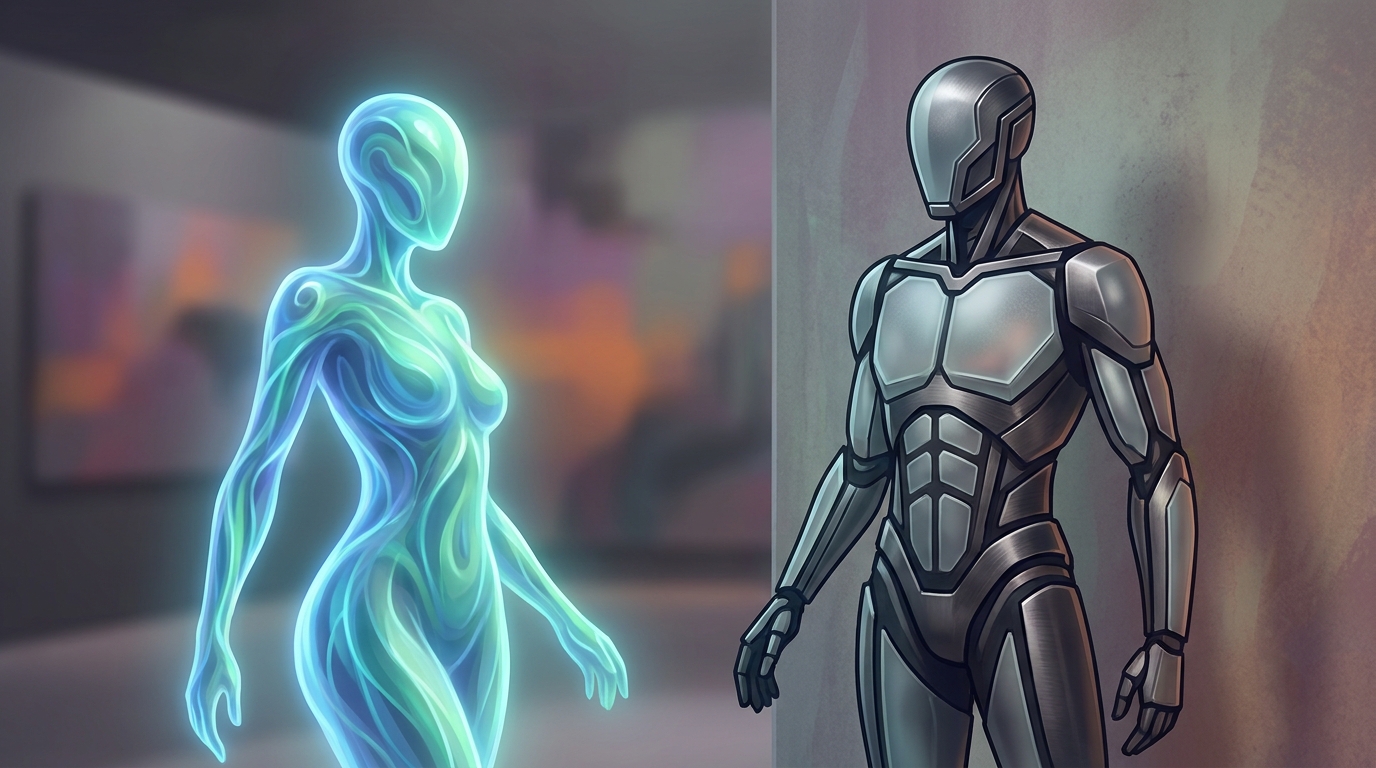
!live chat vs chatbot which is right for your website, product
What is Live Chat?
Live chat is a communication tool embedded on a website that allows visitors to type messages and receive instant responses from a human agent. This interaction happens synchronously, providing a direct line to support staff who can handle complex queries, offer tailored advice, and build rapport. It's particularly effective for situations requiring empathy, problem-solving, or negotiation.
When to Choose Live Chat
Live chat shines in scenarios where human interaction is paramount. Consider it for:
* Complex Problem Solving: When issues require nuanced understanding, multiple steps, or creative solutions that a bot might not handle.
* Sales & High-Value Interactions: For guiding potential customers through a purchase, upselling, or addressing specific product concerns where a personal touch can close a deal.
* Building Trust & Loyalty: Human agents can convey empathy, resolve emotional customer frustrations, and foster stronger relationships with your brand. This is especially vital for services like financial advisory or healthcare.
* Technical Support: Diagnosing and troubleshooting intricate technical problems often benefits from the adaptive questioning and expertise of a human.
* Customised Advice: Services that require bespoke recommendations, such as interior design or legal consultation, greatly benefit from live human input.
Advantages of Live Chat
- Personalised Support: Human agents can understand context, tone, and provide highly individualised responses, leading to higher customer satisfaction. A 2023 study found that 82% of consumers are satisfied with their live chat experience.
- Higher Conversion Rates: Direct interaction can guide hesitant buyers, answer pre-purchase questions, and resolve objections, often boosting conversion rates by 3-5x compared to sites without chat.
- Complex Query Resolution: Agents can handle intricate problems that require critical thinking, emotional intelligence, and access to various resources.
- Feedback Collection: Live chat offers opportunities for agents to gather qualitative feedback directly from customers, providing valuable insights for product or service improvement.
- Brand Building: Consistent, positive human interactions reinforce brand values and create a memorable customer experience.
Disadvantages of Live Chat
- Availability Limitations: Live chat requires human agents, meaning it's typically restricted to business hours, unless you have a 24/7 support team, which can be costly.
- Higher Operational Costs: Staffing, training, and managing a team of live chat agents incurs significant expenses, especially for smaller businesses.
- Scalability Challenges: As your website traffic grows, you'll need to hire more agents to maintain acceptable response times, which can be difficult and expensive.
- Wait Times: During peak hours, customers might experience queues, leading to frustration and potential abandonment if wait times are too long. Over 50% of customers abandon a live chat if they have to wait more than 2 minutes.
- Training & Quality Control: Ensuring all agents provide consistent, high-quality support requires continuous training and robust quality assurance processes.
Chatbots: AI-Powered Efficiency
Chatbots are AI-driven programs designed to simulate human conversation, providing automated responses to common queries. They operate 24/7, offering instant support without human intervention.
What is a Chatbot?
A chatbot is an artificial intelligence (AI) program that can conduct a conversation through auditory or textual methods. Built on rules-based logic or machine learning, chatbots can answer frequently asked questions, guide users through processes, or collect information. Modern AI chatbots, like those integrated with Draftly, can understand natural language, making interactions feel more intuitive. If you're looking to add this, consider our guide on How to Add an AI Chatbot to Your Business Website in 2026.
When to Choose a Chatbot
Chatbots excel at efficiency and always-on availability. They are ideal for:
* Frequently Asked Questions (FAQs): Automating answers to common questions frees up human agents for more complex tasks. About 80% of routine customer service questions can be handled by chatbots.
* 24/7 Support: Providing instant responses outside of business hours, improving customer satisfaction and global reach.
* Lead Qualification & Generation: Chatbots can ask qualifying questions, gather contact details, and route leads to the appropriate sales team. Our Draftly Forms: Capture Every Lead From Your Website post covers more on lead capture.
* Simple Task Automation: Guiding users through processes like password resets, booking appointments (see How to Add a Booking System to Your AI-Generated Website), or checking order status.
* High Volume, Low Complexity Queries: Handling a large number of straightforward inquiries simultaneously without an increase in staffing costs.
Advantages of Chatbots
- 24/7 Availability: Chatbots never sleep, offering instant support and information retrieval at any time, from anywhere.
- Instant Response Times: Users receive immediate answers, eliminating wait times and improving satisfaction for urgent, simple queries.
- Cost-Effectiveness: Once set up, chatbots significantly reduce the need for human agents for routine tasks, cutting operational costs by up to 30% for some businesses.
- Scalability: Chatbots can handle an unlimited number of conversations concurrently, scaling effortlessly with fluctuating website traffic.
- Consistency: They provide consistent, pre-programmed responses, ensuring brand messaging and information accuracy across all interactions.
- Data Collection: Chatbots can collect valuable user data, identify common pain points, and provide insights for service improvement, which you can track via Draftly Analytics: Understanding Your Site Traffic and Conversions.
Disadvantages of Chatbots
- Limited Emotional Intelligence: Chatbots struggle with empathy, sarcasm, or understanding nuanced human emotions, which can frustrate users with complex or sensitive issues.
- Inability to Handle Complex Queries: If a query falls outside its programmed scope, a chatbot can loop or provide irrelevant information, leading to a poor user experience.
- Impersonal Interactions: The lack of human touch can feel robotic and unengaging, especially for customers seeking genuine connection.
- Setup & Maintenance: Building an effective chatbot requires careful planning, extensive programming (or training for AI models), and ongoing maintenance to ensure accuracy and relevance.
- User Frustration: If a chatbot fails to resolve an issue quickly or misunderstands the user, it can lead to higher frustration and a negative perception of your brand.
Live Chat vs Chatbot: Key Differences at a Glance
| Feature | Live Chat (Human Agent) | Chatbot (AI) |
|---|---|---|
| Availability | Typically business hours (unless 24/7 team) | 24/7, always on |
| Response Time | Varies (can have queues) | Instant |
| Cost | Higher (staffing, training) | Lower (initial setup, minimal maintenance) |
| Complexity | Handles complex, nuanced issues | Best for simple, repetitive queries |
| Personalisation | Highly personalised, empathetic | Limited, rule-based or pattern-driven |
| Scalability | Challenging, requires more staff | Highly scalable, handles infinite conversations |
| Error Rate | Human error possible | Misunderstanding context, out-of-scope issues |
| Lead Qualification | Excellent for warm leads, direct engagement | Effective for initial qualification, data capture |
How to Choose: Decision Framework
Selecting between live chat and a chatbot isn't a one-size-fits-all decision. It depends heavily on your business model, customer base, and resource availability. Use this framework to guide your choice:
1. Understand Your Audience Needs
* Complexity of Queries: Do your customers typically ask simple, repetitive questions or do they require in-depth assistance and problem-solving? If it's the latter, live chat is likely more effective. For basic inquiries, a chatbot can handle the volume.
* Urgency: How quickly do your customers expect answers? While both offer speed, live chat provides human-level critical thinking for urgent, non-standard issues. Chatbots provide immediate answers for known questions.
* Demographics: Younger demographics (Gen Z, Millennials) tend to be more comfortable interacting with chatbots, while older generations might prefer human interaction.
2. Evaluate Your Resources
* Budget: Do you have the financial capacity to hire, train, and manage a team of live chat agents, potentially across multiple shifts? Chatbots have a higher upfront investment but lower ongoing operational costs.
* Staff Availability: Do you have existing staff who can be trained for live chat, or will you need to expand your team? Consider agents' availability during peak times and off-hours.
* Technical Expertise: While AI website builders like Draftly make adding these features straightforward (e.g., Adding Live Chat to Your AI-Built Website: A Step-by-Step Guide), setting up an advanced chatbot might require some technical understanding for integrations or complex conversational flows.
3. Define Your Goals
* Reduce Support Load: If your primary goal is to deflect common questions from your support team, a chatbot is highly effective.
* Increase Sales/Conversions: For direct sales assistance and guiding purchase decisions, live chat with a skilled sales agent often yields better results. This ties into overall Website Conversion Rate Optimisation: How to Turn Visitors into Customers in 2026.
* Improve Customer Satisfaction: Both can contribute, but for truly empathetic and personalised experiences, live chat has an edge. Chatbots improve satisfaction by providing immediate access to information.
* Gather Leads: Both can capture lead information, but chatbots can do it systematically and at scale.
4. Consider Your Website Type
* E-commerce: Chatbots can handle order status, shipping questions, and basic product info. Live chat can assist with detailed product comparisons or troubleshooting purchase issues.
* Service-Based Businesses: For professional services (e.g., legal, consulting), live chat builds trust and allows for in-depth pre-consultation. Chatbots can handle appointment scheduling or initial qualification.
* Information Portals/FAQs: Chatbots are excellent for navigating large knowledge bases and answering common queries quickly.
Integrating Chat into Your Draftly Website
Whether you opt for live chat, a chatbot, or even a hybrid approach, integrating these tools into your Draftly-built website is designed to be seamless. Draftly's intuitive AI 3D website builder focuses on enhancing user experience and lead generation. You can easily add various widgets and integrations to support your chosen communication strategy. For instance, in addition to dedicated chat solutions, you can also integrate direct messaging options like How to Add a WhatsApp Chat Widget to Your Draftly Website to cater to regional preferences or specific customer segments. Always ensure that any added functionality maintains your site's AI-Built Website Performance: How to Keep PageSpeed Scores Green to prevent a negative user experience.
The choice between live chat and a chatbot boils down to understanding your customer journey, the complexity of their needs, and your operational capabilities. Many businesses find success with a hybrid model, using a chatbot for initial screening and FAQs, then seamlessly escalating to live chat for more complex or sensitive issues. This approach combines the efficiency of AI with the irreplaceable value of human connection, providing a truly optimised customer experience.
Ultimately, the goal is to provide your website visitors with the quickest, most relevant, and satisfying answers possible. Evaluate your specific context, run A/B tests on different implementations, and continuously refine your approach based on customer feedback and analytics. Your website is a dynamic tool, and its communication channels should evolve with your business and customer expectations.