White-Label Website Builders: What Agencies Need to Know
For digital agencies, freelancers, and marketing firms, the quest for efficiency and scalable growth is constant. One powerful strategy emerging is the adoption of white-label website builders. These platforms allow agencies to offer website development services under their own brand, without clients ever knowing the underlying technology. This approach isn't just about rebranding; it's about streamlining operations, expanding service offerings, and dramatically increasing profit margins in a competitive market.
The global website builder market is projected to reach over $2.9 billion by 2029, with a significant portion driven by agencies seeking more agile solutions. White-labeling empowers agencies to deliver high-quality, professional websites faster and more cost-effectively, allowing them to focus on client relationships and strategic growth rather than development intricacies. When considering a solution like Draftly, agencies gain access to cutting-edge AI 3D capabilities, transforming standard white-label services into cinematic, scroll-driven experiences.
What is a White-Label Website Builder?
A white-label website builder is a platform or software that an agency can rebrand and present as its own. Think of it as a blank canvas with powerful tools hidden beneath your agency's logo. You build client websites using this platform, but your clients see only your agency's branding, from the dashboard to the final published site. This model is particularly attractive for agencies aiming to expand their service portfolio without investing heavily in in-house development teams or proprietary technology.
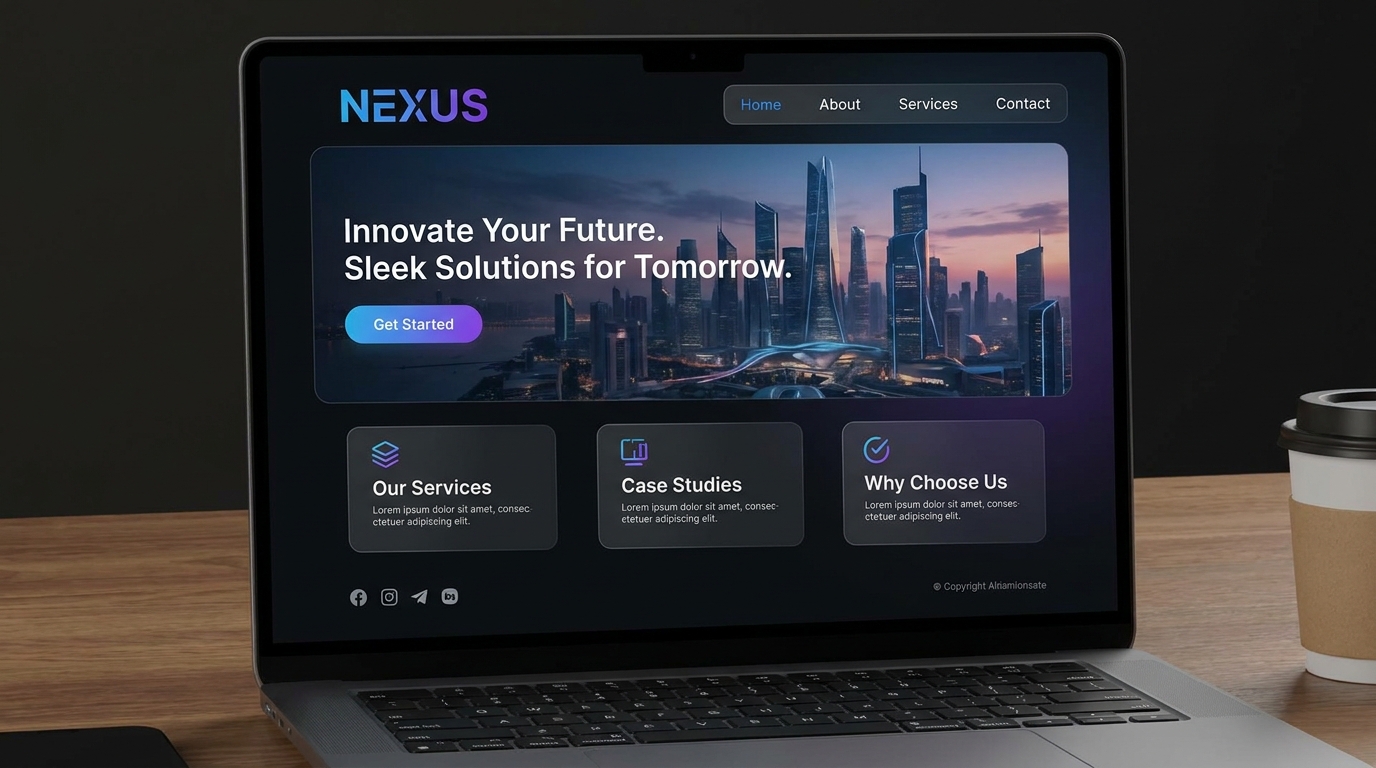
!whitelabel website builders what agencies need to know, product
The core idea is to leverage an existing, robust infrastructure developed by a third party, and then apply your unique brand identity to it. This includes custom URLs, logos, color schemes, and even custom domain mapping for client sites. The agency maintains full control over pricing, client relationships, and the overall service delivery, while the white-label provider handles the technical heavy lifting, such as hosting, maintenance, and platform updates.
Benefits of White-Labeling for Agencies
- Increased Profit Margins: By reducing development time and overhead, agencies can complete more projects with fewer resources, translating to higher profitability per client. Some agencies report boosting their profit margins by 30-50% on website projects.
- Faster Project Delivery: White-label platforms are designed for rapid development. Features like pre-built templates, drag-and-drop interfaces, and AI assistance mean sites can go live in a fraction of the time compared to custom coding.
- Scalability: Agencies can take on more clients without proportionally increasing their team size. This is crucial for rapid growth and managing peak workloads. Platforms like Draftly allow agencies to build 10x more client websites with AI tools.
- Brand Consistency and Trust: Presenting a unified brand experience reinforces your agency's professionalism and expertise. Clients perceive your agency as the sole provider of the entire solution.
- Reduced Technical Burden: The white-label provider manages all backend infrastructure, security updates, and bug fixes, freeing your agency from complex technical responsibilities.
Why Agencies are Turning to White-Label Solutions
The digital landscape is evolving rapidly, with client expectations for website quality and speed constantly rising. Agencies face pressure to deliver cutting-edge solutions while keeping costs down. This dynamic environment makes white-label website builders an increasingly attractive proposition.
Consider the typical challenges agencies face:
* High Development Costs: Hiring and retaining skilled web developers is expensive, especially for niche technologies like 3D web design.
* Time Constraints: Custom coding a website from scratch can take weeks or months, delaying project completion and client satisfaction.
* Staying Current: Web technologies change constantly. Keeping in-house teams updated on the latest trends, like AI and 3D animation, requires continuous training and investment.
* Client Management Overhead: Managing multiple client sites, updates, and support requests can become overwhelming.
White-label solutions directly address these pain points. For instance, agencies using AI-powered builders can drastically cut down on initial design and content generation time. This means a new client project that might have taken 4-6 weeks could now be prototyped and iterated upon in days. This speed translates into a competitive advantage, allowing agencies to pitch more aggressively and deliver faster than traditional firms.
Furthermore, the demand for immersive and interactive web experiences, such as 3D websites, is on the rise. Brands are increasingly seeking unique ways to engage their audiences, and traditional 2D sites often fall short. White-label platforms that incorporate advanced features, like Draftly's AI-driven 3D scroll websites, enable agencies to meet this demand without needing specialized 3D developers or extensive coding knowledge. This opens up new revenue streams and positions the agency as an innovator.
Key Features to Look for in a White-Label Platform
Choosing the right white-label website builder is critical for an agency's success. It's not just about slapping your logo on a generic platform; it's about selecting a partner that aligns with your agency's vision and client needs. Here's what agencies should prioritize:
1. Robust Branding Customization
* Full Logo & Color Control: The ability to replace the platform's branding entirely with your own logos, favicons, and customise fonts, colors, and your brand kit across the builder interface and client dashboards.
* Custom Domains: Support for custom login URLs (e.g., `studio.youragency.com`) and client site domains.
* Email Notifications: Branded email notifications sent to clients from your agency's domain.
2. Powerful Site Building Capabilities
* Ease of Use: A drag-and-drop interface, intuitive editors, and AI assistance for rapid site creation.
* Feature Set: Comprehensive features including e-commerce, blogging, forms, SEO tools, and integrations with marketing platforms.
* Design Flexibility: Extensive design options, template libraries, and the ability to implement unique aesthetics without code.
* Responsiveness: Ensures all websites are automatically optimized for mobile, tablet, and desktop devices.
3. Agency-Specific Management Tools
* Client Management Dashboard: A central hub to manage all client accounts, projects, and permissions. Draftly's Business Centre is designed for this, helping agencies manage clients and projects in one place.
* Team Collaboration: Tools for multiple team members to work on client sites simultaneously, with role-based access control. Effective team collaboration is a game-changer for larger agencies.
* Billing & Invoicing: Integrated or easily connectable billing solutions for client subscriptions or one-time project fees.
* Analytics & Reporting: Access to website analytics for client reporting, demonstrating ROI.
4. Performance & Reliability
* Hosting: Secure, fast, and scalable hosting infrastructure capable of handling high traffic volumes.
* Uptime Guarantee: A strong service level agreement (SLA) ensuring minimal downtime.
* Security: SSL certificates, DDoS protection, and regular security updates.
The Draftly Advantage: AI-Powered 3D White-Label Websites
Draftly stands out in the white-label website builder market by combining cutting-edge AI with immersive 3D website capabilities. For agencies, this means not just building sites under their brand, but building next-generation sites that differentiate their offerings and captivate clients.
Imagine offering clients cinematic, scroll-driven 3D websites that tell a story with unparalleled visual depth – all generated and refined with a single prompt. This is what Draftly enables. Agencies can leverage our platform to deliver truly unique online experiences that command higher fees and drive superior client results.
How Draftly Empowers Agencies:
* AI-Driven Speed: Generate a complete 3D website draft from a simple text prompt in minutes. This drastically reduces initial design time, allowing agencies to present concepts to clients almost instantly.
* Immersive 3D Experiences: Deliver websites with depth, parallax, and scroll-driven animations that go beyond static 2D designs. These aren't just pretty sites; 3D websites are the next frontier for brand differentiation.
* Full White-Label Control: Agencies can fully brand the Draftly platform, presenting it as their own proprietary technology. This includes a custom login portal, branded client dashboards, and the ability to publish client sites on their own subdomains or custom domains. Our dedicated Draftly White Label features are built with agencies in mind.
* Scalability with Quality: With AI handling much of the initial heavy lifting, agencies can manage multiple sites in Draftly and scale their output significantly without compromising on design quality or performance.
* Competitive Edge: Offer clients something truly innovative that traditional builders can't match. A cinematic 3D website can significantly boost engagement and conversion rates, providing tangible value to your clients.
Implementing White-Label for Agency Growth
Successfully integrating a white-label website builder into your agency's workflow requires a strategic approach. It's more than just signing up for a service; it's about optimizing your processes to leverage the platform's full potential.
- Define Your Service Offering: Clearly articulate what types of websites you'll build (e.g., landing pages, portfolio sites, small business sites) and what premium features (like 3D effects) you'll highlight.
- Train Your Team: Ensure your designers and project managers are proficient with the white-label builder. While AI simplifies much, understanding the platform's nuances, like using brand DNA for perfectly consistent sites every time, is key.
- Develop a Pricing Strategy: Determine your pricing model. Will you offer one-time build fees, monthly subscriptions, or a combination? Factor in your costs, desired profit margins, and market rates.
- Update Your Marketing Materials: Rebrand your proposals, contracts, and sales presentations to reflect your agency's ownership of the website building solution. Emphasize the speed and quality you can now deliver.
- Streamline Client Onboarding: Create a smooth process for gathering client requirements, presenting initial drafts (often AI-generated within minutes), and managing feedback. Draftly's AI chat editing features can significantly accelerate this iteration process.
Challenges and How to Overcome Them
While white-label website builders offer immense advantages, agencies might encounter a few challenges. Awareness and preparation are key to overcoming them.
1. Platform Lock-in
Challenge: Relying heavily on a single white-label provider means your agency's operations are tied to their platform. If the provider changes terms, raises prices, or discontinues services, it could impact your business.
Overcoming: Choose a reputable provider with a strong track record and clear roadmap. Look for platforms that allow for code export, giving you an exit strategy if needed. Draftly, for instance, offers options to export production-ready code.
2. Feature Limitations
Challenge: No platform can do everything. You might encounter specific client requests that the white-label builder can't accommodate without extensive workarounds.
Overcoming: Clearly communicate the platform's capabilities to clients upfront. Focus on the advantages (speed, cost, 3D immersion with Draftly) and manage expectations. For highly bespoke needs, consider offering a custom-code option as a premium service or using the white-label builder for the majority of the site and integrating custom elements where necessary.
3. Technical Support & Learning Curve
Challenge: Even user-friendly platforms have a learning curve. Your team will need to understand how to leverage all features effectively, and you'll rely on the provider's support for complex issues.
Overcoming: Invest in comprehensive team training. Utilize the provider's knowledge base and support channels. Draftly provides extensive knowledge base resources and a responsive support team to ensure agencies can maximize the platform's potential.
Conclusion
White-label website builders represent a significant opportunity for digital agencies to scale operations, enhance profitability, and deliver exceptional value to their clients. By adopting a solution like Draftly, agencies can move beyond conventional website design, offering AI-powered 3D cinematic experiences that truly stand out. The ability to build faster, brand seamlessly, and manage multiple projects efficiently under your own agency's banner is a powerful competitive advantage in today's dynamic digital market.
Ready to transform your agency's website building services? Explore Draftly's white-label capabilities and start building cinematic 3D websites under your own brand today.