Setting Up an Affiliate Program on Your Website: A 2026 Guide
Paid ads can feel like renting traffic, but what if you could build a channel that pays you back exponentially? Setting up an affiliate program on your website is one of the most effective ways to do just that. It's not just a tactic for massive e-commerce giants; it's a scalable, performance-based marketing engine that can transform your best customers and fans into a dedicated sales team. With the global affiliate marketing industry projected to exceed $22 billion by 2026, ignoring this channel means leaving significant revenue on the table.
This guide moves beyond simple definitions to give you a strategic blueprint. We'll cover the essential groundwork, the step-by-step setup process, and the management tactics required to build a program that doesn't just launch, but thrives.
Why Start an Affiliate Program? The Data-Backed Benefits
Affiliate marketing operates on a simple, powerful premise: you only pay for results. This performance-based model de-risks your marketing spend and delivers a host of strategic advantages.
!setting up an affiliate program on your website a 2026 guide, product
* High ROI and Low Upfront Cost: Unlike traditional advertising where you pay for clicks or impressions, affiliate marketing is a cost-per-acquisition (CPA) model. The average return on investment is often cited at over 15:1. You're not spending a budget hoping for sales; you're rewarding sales that have already happened.
* Targeted Traffic and Social Proof: Affiliates—be they bloggers, influencers, or industry experts—have already built trust with a specific audience. When they recommend your product, it comes as a warm referral, not a cold ad. This drives higher-quality traffic that converts at a rate 50% higher than many other channels.
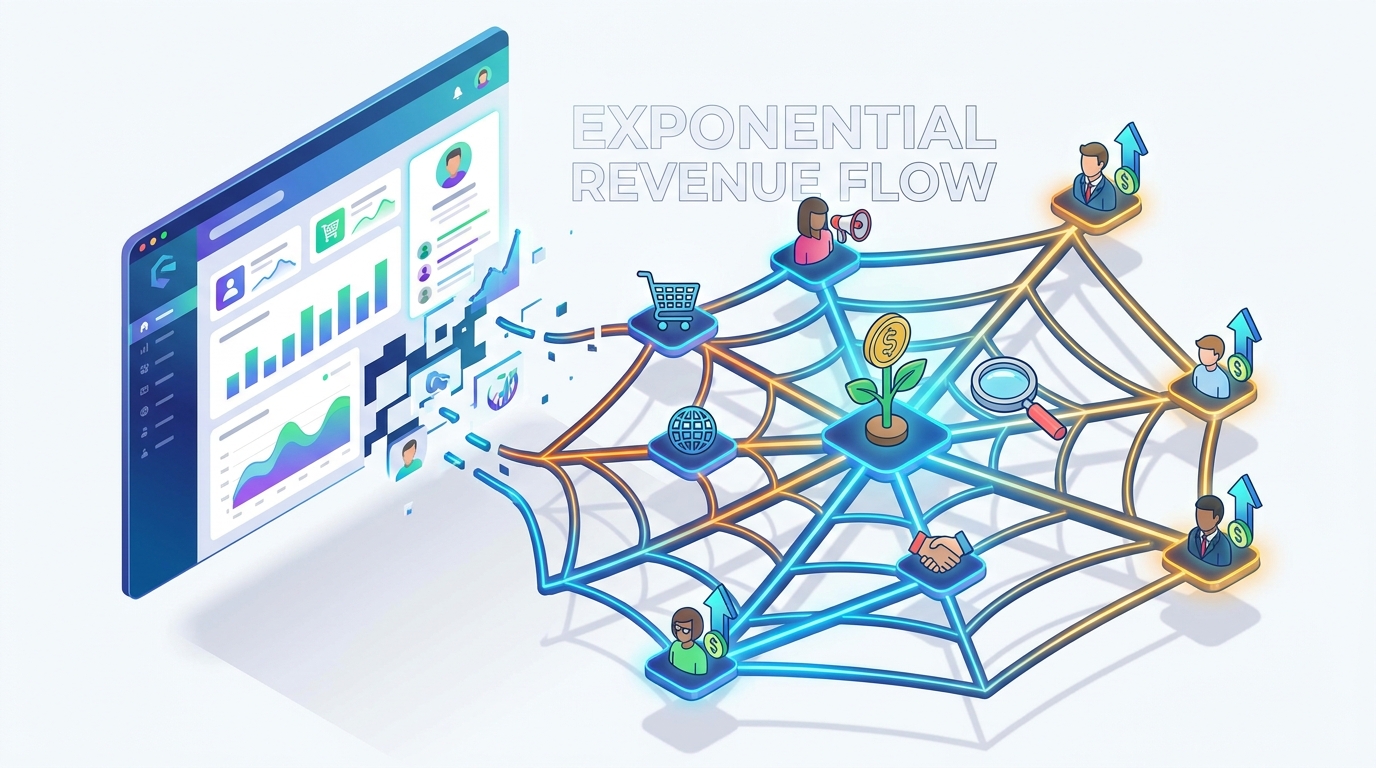
* Scalable Growth Engine: A successful affiliate program can grow exponentially. Each new high-performing affiliate doesn't just add their own audience; they create a network effect, enhancing your brand's reach and authority. Today, over 80% of brands leverage affiliate programs, making it a standard component of a mature marketing mix.
Before You Launch: The Strategic Groundwork
A great affiliate program is built on a solid foundation. Before you get into the technical setup, you need to address three core components.
1. Have a Product Worth Promoting
This sounds obvious, but it's the most common failure point. Affiliates risk their reputation with every recommendation. If your product is buggy, your service is unresponsive, or your value proposition is unclear, even the best marketers will fail to drive sales and will quickly abandon your program.2. Understand Your Customer Lifetime Value (LTV)
Your LTV is the total revenue you can expect from a single customer over time. Knowing this number is critical for setting a commission rate that is both attractive to affiliates and profitable for you. If a customer is worth $500 over their lifetime, offering a $50 commission on their first $100 purchase is a sustainable investment.3. Define Clear Goals and KPIs
What does success look like? Is it a specific number of new sales per month? A target cost-per-acquisition? Increased market share in a new demographic? Set clear, measurable goals from day one. This will guide every decision, from your commission structure to the affiliates you recruit. You can track these metrics using tools like the Draftly Analytics dashboard to understand your traffic and conversion sources.A Step-by-Step Guide to Setting Up an Affiliate Program
Once your strategy is in place, it's time to build the infrastructure. Follow these steps to get your program live.
- Choose Your Affiliate Management Platform
- Design a Competitive Commission Structure
- Create Your Affiliate Resources (The Asset Pack)
- Build Your Affiliate Program Landing Page
- Recruit Your First Cohort of Affiliates
Managing and Scaling Your Program
Launching is just the beginning. A successful program requires ongoing management and communication.
* Regular Communication: Send a monthly newsletter to your affiliates with updates, new promotions, and content ideas. Keep them engaged and informed.
* Reliable Payouts: Pay your affiliates on time, every time. Late payments are the fastest way to destroy trust and lose valuable partners.
* Performance Monitoring: Keep an eye on your key metrics. Identify your top-performing affiliates and work more closely with them. At the same time, watch for fraudulent activity like self-referrals or trademark bidding.
* Clear Terms of Service: Your affiliate agreement should be clear and accessible. It's wise to add Terms of Service and Privacy Policy pages to your site that cover the legal aspects of your program.
An affiliate program is a long-term asset. It's a partnership channel that, when nurtured correctly, can become one of your most reliable and profitable sources of growth. By laying the right strategic groundwork and executing a thoughtful launch, you can build a powerful community of advocates who are invested in your success.
Ready to build the stunning website your future affiliates will be proud to promote? Start creating your cinematic, 3D website with a single prompt on Draftly.