In today's competitive online landscape, businesses are constantly seeking new ways to capture attention and drive action. One of the most talked-about trends is the rise of cinematic websites – immersive, scroll-driven digital experiences often featuring 3D elements and rich animations. But do cinematic websites convert better? The data and analysis suggest a resounding yes, particularly when executed thoughtfully.
At Draftly, we've observed firsthand how a single prompt can generate a stunning, cinematic 3D website, transforming static pages into engaging narratives that resonate deeply with visitors. This approach leverages advanced visual storytelling to not just inform, but to truly captivate and persuade.
What Defines a Cinematic Website Experience?
A cinematic website goes beyond traditional web design, offering an experience akin to watching a short film or interactive narrative. It's characterised by:
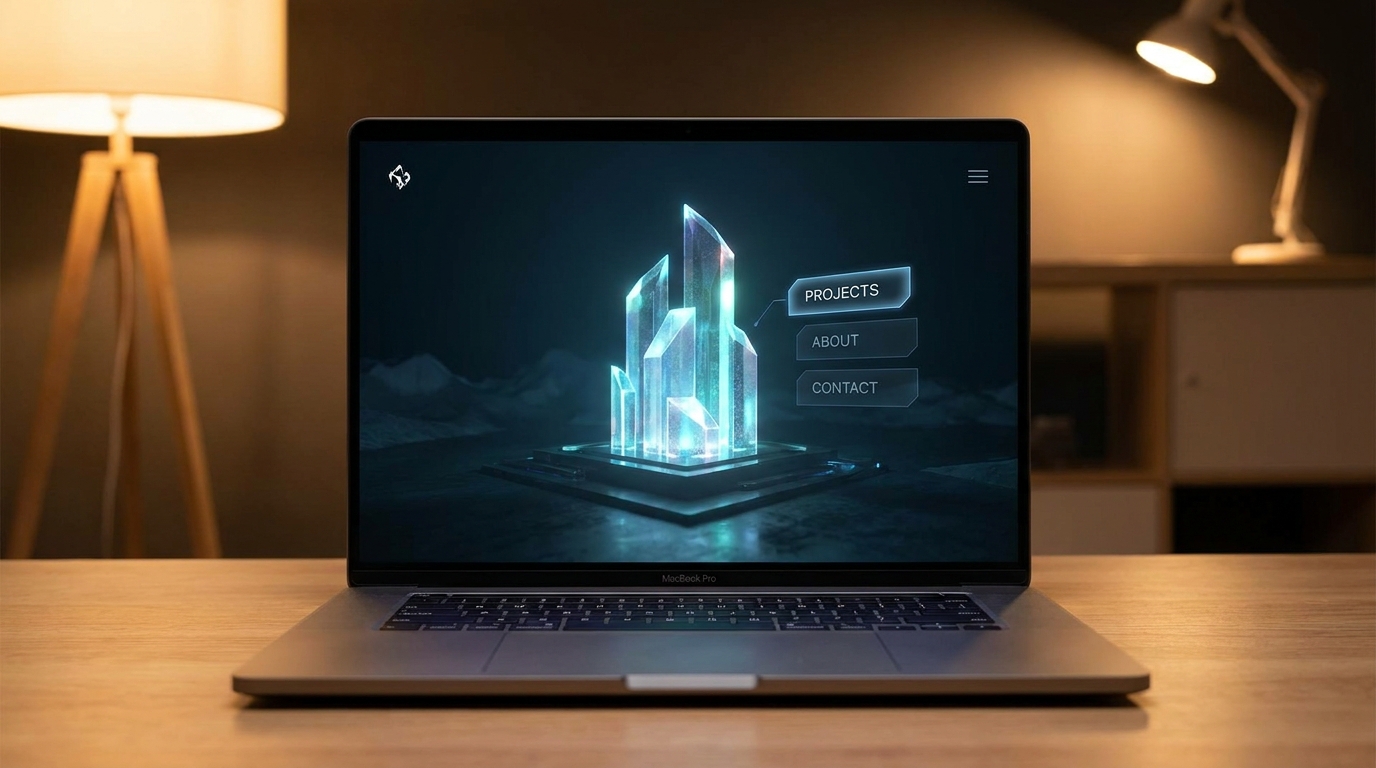
!do cinematic websites convert better data analysis for 2024, product
* Scroll-Driven Storytelling: Content unfolds dynamically as the user scrolls, revealing new scenes, animations, or 3D models. This creates a guided journey through your brand story or product features.
* Immersive 3D Elements: Instead of flat images, users interact with or navigate through three-dimensional environments and objects, providing a tactile sense of presence and depth.
* Seamless Transitions and Animations: Smooth, high-quality transitions between sections and subtle animations keep the user engaged without feeling overwhelmed. This is where a platform's capabilities like Draftly Page Transitions and Section Animations: A Design Guide become crucial.
* High-Fidelity Visuals and Audio: Stunning graphics, often in 4K resolution, combined with optional ambient soundscapes or voiceovers, elevate the sensory experience.
* Emotional Resonance: The goal is to evoke feelings, build anticipation, and create a memorable connection with the brand, much like a compelling movie.
The Psychological Impact of Immersive Experiences
The effectiveness of cinematic websites isn't just aesthetic; it's rooted in psychology. Humans are inherently drawn to stories and visual stimuli. When a website tells a story through an interactive, visually rich medium, it taps into several cognitive biases and emotional responses:
- Increased Engagement: Users spend more time on sites that offer novel, interactive content. Industry data indicates that highly interactive pages can see average time-on-page increases of 30% to 50% compared to static counterparts. This extended engagement allows more opportunity for your message to sink in.
- Enhanced Memorability: A unique, sensory experience is far more memorable than plain text and images. Studies suggest that visually rich content can boost brand recall by up to 70%, making your brand stand out in a crowded market.
- Emotional Connection: Cinematic narratives evoke emotions, fostering a deeper connection between the user and your brand. This emotional bond can significantly influence purchase decisions and brand loyalty.
- Perceived Value and Authority: High-quality, cutting-edge web design signals professionalism, innovation, and premium quality. This elevates brand perception, making products or services seem more valuable and trustworthy.
- Reduced Cognitive Load: By guiding users through a story, cinematic sites can simplify complex information, making it easier for visitors to understand your offerings without feeling overwhelmed.
Do Cinematic Websites Convert Better? Data and Analysis
The short answer is yes, cinematic websites often lead to higher conversion rates across various industries. While exact figures depend heavily on industry, target audience, and specific implementation, general trends and case studies provide compelling evidence.
Engagement Metrics: The Foundation of Conversion
Before a conversion happens, engagement is key. Cinematic websites excel here:
* Lower Bounce Rates: Websites with immersive scroll-driven experiences often report bounce rates 20-30% lower than traditional sites. When users are engrossed in a narrative, they are less likely to leave quickly.
* Longer Session Durations: As noted, increased time on page translates to longer overall sessions. For example, a luxury automotive brand using a cinematic scroll experience might see users spending 2-3 minutes exploring a new model, compared to 30-60 seconds on a static page.
* Higher Page Views: The unfolding nature of cinematic design encourages users to explore more sections, leading to a higher number of pages or sections viewed per session.
Direct Conversion Rate Uplift
Beyond engagement, cinematic websites directly impact conversion metrics:
* Lead Generation: For B2B or service-based businesses, cinematic websites can increase lead form submissions or demo requests by 15-25%. The immersive experience builds trust and desire, making visitors more inclined to take the next step.
* E-commerce Sales: For D2C brands, particularly in luxury or unique product categories, 3D product visualisations and cinematic narratives can boost add-to-cart rates and ultimately, sales. Some brands report up to a 20% increase in conversion rate for products showcased with interactive 3D elements, as discussed in our article on Why 3D Product Pages Reduce E-commerce Returns by Up to 40%.
* Brand Awareness & Recall: While not a direct conversion, stronger brand recall leads to future conversions. A memorable cinematic experience ensures your brand stays top-of-mind, influencing repeat visits and word-of-mouth referrals.
* Reduced Support Queries: By visually explaining complex products or services through interactive storytelling, cinematic websites can clarify features and benefits, leading to fewer pre-purchase questions and a smoother buyer journey.
Case Study Observations
Consider companies like Apple, known for its iconic product reveal pages that use scroll-driven animations and 3D renders to showcase new devices. These aren't just pretty; they are highly effective sales tools. Similarly, high-end real estate developers use 3D virtual tours and cinematic walkthroughs to sell properties off-plan, achieving higher pre-sales conversion rates because prospective buyers can emotionally connect with the space before it's built.
Another example is a SaaS company demonstrating its software through an interactive, scroll-driven journey. Instead of a static screenshot gallery, users experience the software's flow and features dynamically, leading to higher trial sign-ups. This interactive approach helps users visualise the product's value proposition more clearly.
Challenges and How Draftly Addresses Them
While the benefits are clear, traditional cinematic web design can come with challenges:
* Performance and Loading Speed: Rich 3D graphics and complex animations can slow down a site, negatively impacting user experience and SEO. Draftly addresses this by optimising 3D assets and code for speed, often achieving high PageSpeed scores. Learn more about Core Web Vitals & 3D Sites: How to Pass Google's Speed Test.
* Mobile Responsiveness: Ensuring a cinematic experience translates seamlessly to smaller screens is crucial, given that over 70% of web traffic now comes from mobile devices. Draftly's AI-powered builder prioritises mobile-first design, making your 3D site look stunning on any device.
* Development Complexity and Cost: Building custom cinematic websites traditionally requires significant development time and budget. Draftly's AI streamlines this, allowing you to generate and customise a full 3D cinematic site from a single prompt, dramatically reducing time and cost.
* Accessibility: Ensuring that visually stunning sites are also accessible to users with disabilities is paramount. Draftly incorporates best practices for accessibility, ensuring a broad audience can experience your site.
Industries Where Cinematic Websites Shine for Conversions
Certain industries are particularly well-suited to leverage the conversion power of cinematic websites:
* Luxury Goods & Fashion: High-end brands thrive on exclusivity and experience. Cinematic websites can convey sophistication and craftsmanship, turning browsers into buyers of premium products.
* Automotive: Showcasing new car models with interactive 3D views and scroll-driven feature highlights can significantly influence purchase intent.
* Hospitality & Travel: Immersive virtual tours of hotels, resorts, or destination experiences can drive bookings by allowing potential customers to 'feel' the experience before arrival.
* Technology & SaaS: Complex software or innovative tech products can be effectively demonstrated through interactive product walkthroughs, leading to higher demo requests and sign-ups. For instance, How SaaS Companies Are Using 3D Websites to Demo Products and Convert Trials.
* Real Estate: 3D property tours and architectural visualisations help sell properties faster, whether residential or commercial.
* Creative Agencies & Portfolios: Designers, photographers, and artists can use cinematic portfolios to showcase their work in a way that truly impresses potential clients, leading to more inquiries and project wins.
Creating Your Own High-Converting Cinematic Website with Draftly
Draftly makes building a cinematic website accessible to everyone, without needing any code or 3D design expertise. Our AI platform transforms your vision into a scroll-driven, immersive 3D experience that's optimised for performance and conversions.
- Start with a Prompt: Describe your business, target audience, and desired aesthetic. Draftly's AI will generate a unique 3D website concept.
- Customise and Refine: Use our intuitive editor and AI chat to How to Customise Your AI-Generated 3D Website — Full Guide, tweak colours, fonts, content, and 3D elements. Add your own media or use AI image generation.
- Add Interactive Elements: Easily integrate scroll-triggered animations, video backgrounds, and 3D models to create a truly cinematic flow.
- Optimise for Conversions: Implement clear calls-to-action, integrate forms, and leverage Draftly's built-in analytics to track performance and continuously improve your conversion rates.
Conclusion
The data strongly suggests that cinematic websites do convert better. By leveraging immersive visual storytelling, increased engagement, and a powerful emotional connection, these sites transform passive visitors into active customers. While traditional development posed barriers, AI-powered platforms like Draftly have democratised access to this cutting-edge web design, enabling businesses of all sizes to create high-converting, memorable online experiences. The future of web conversion is undeniably cinematic.