Building a successful tech company involves more than just innovative products; it requires a compelling online presence that adapts as your business matures. Effective tech company website design is a dynamic process, transforming from a minimalist proof-of-concept to a sophisticated digital ecosystem. This journey from startup to enterprise demands strategic foresight in web development, focusing on user experience, scalability, and brand evolution.
At Draftly, we understand these evolving needs. A website isn't static; it's a living entity that reflects your company's stage and aspirations, influencing everything from investor perception to customer acquisition. Let's explore the distinct web design imperatives at each critical phase of a tech company's lifecycle.
The Startup Phase: Agility and First Impressions
For a tech startup, the website is often the first, and sometimes only, touchpoint with potential users, investors, and talent. The primary goal is rapid validation, clear communication of value, and capturing early interest.
!tech company website design from startup to enterprise growth, industry
Lean & Focused Design
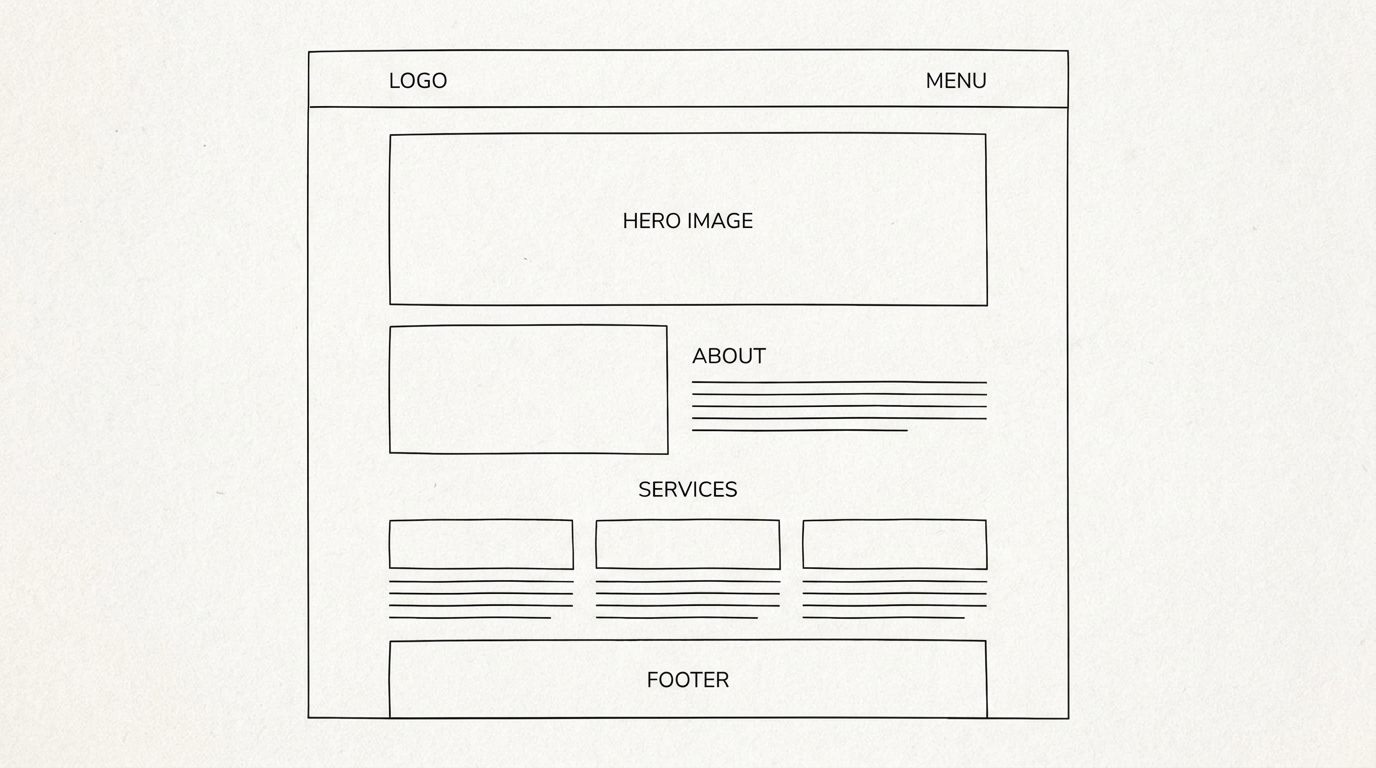
Startups need websites that are quick to launch and easy to iterate. This means a lean design, focusing on a single, clear value proposition. Think minimalist interfaces that guide visitors directly to a call to action, whether it's signing up for a beta, downloading a whitepaper, or requesting a demo. Early-stage companies like Dropbox or Airbnb famously started with incredibly simple landing pages that effectively communicated their core offering and captured initial interest. Data suggests that 88% of online consumers are less likely to return to a site after a bad experience, emphasizing the need for a clean, intuitive design even at this nascent stage.
Building Credibility
Without a long track record, startups rely heavily on building trust quickly. Integrating early testimonials, displaying investor logos (if applicable), or showcasing a compelling explainer video can be powerful. A 3D product visualization, even if simplified, can give a tangible sense of the product's innovation. This visual storytelling can be a game-changer. Learning How to Add Social Proof and Testimonials to Your AI Website is crucial for converting early visitors into believers.
Speed and Scalability
Time-to-market is everything for startups. Cloud-based platforms and AI website builders offer the agility needed to launch quickly and adapt without extensive development cycles. A fast-loading site is non-negotiable; users expect instant access. A delay of just one second in page load can lead to a 7% reduction in conversions, a critical metric for a new business. Tools that prioritize performance, like Draftly, can ensure your site achieves a Draftly Site Speed Optimisation: Get a 90+ PageSpeed Score, setting a solid foundation for future growth.
The Growth Phase: Expanding Features & User Engagement
As a tech company moves from startup to growth, its website must evolve to support a larger user base, demonstrate product maturity, and establish market authority. This phase is about deepening engagement and converting interest into sustained adoption.
Feature Showcase & Product Demos
The website becomes a comprehensive showcase for your expanding product suite. Interactive elements, detailed feature pages, and immersive 3D product experiences become vital. Consider how SaaS companies often use interactive demos or product walkthroughs directly on their site to highlight complex functionalities. For products with physical or tangible aspects, Why 3D Product Pages Reduce E-commerce Returns by Up to 40% by offering a richer, more informative viewing experience. These elements educate users and drive adoption.
Content Strategy & SEO
Beyond product features, a growth-stage tech company needs to establish itself as a thought leader. This involves a robust content strategy, including a blog, case studies, whitepapers, and webinars. These assets not only inform and engage but also serve as powerful SEO tools, attracting organic traffic. Setting up a blog on your site, as detailed in Setting Up a Blog on Your Draftly Site: Drive Traffic and Build Authority, is fundamental to this strategy, positioning your company as an expert in its field.
Personalization & User Experience
With a growing and diverse user base, personalization becomes key. Tailoring content based on user segments, industry, or past interactions can significantly boost engagement. An intuitive user experience, seamless navigation, and a mobile-first design approach are paramount. Studies show that 72% of customers expect personalized experiences, and businesses that deliver this see higher conversion rates. The website should feel tailored and responsive, anticipating user needs across all devices.
The Enterprise Phase: Trust, Security, and Global Reach
When a tech company reaches enterprise scale, its website transforms into a global, multi-faceted platform. The focus shifts to reinforcing brand authority, ensuring robust security, and managing complex information for diverse stakeholders.
Robust Infrastructure & Security
Enterprise websites handle vast amounts of data and traffic, making infrastructure and security paramount. Compliance with global regulations like GDPR, SOC 2, or HIPAA becomes non-negotiable. This means investing in dedicated hosting, robust content delivery networks (CDNs), and advanced security protocols. Downtime or security breaches can have catastrophic financial and reputational consequences for an enterprise, making a reliable and secure platform critical.
Brand Storytelling & Thought Leadership
At this stage, the website is the ultimate expression of the brand. Sophisticated visual narratives, often incorporating cinematic scroll experiences and immersive 3D environments, are used to convey innovation and leadership. Think of major tech companies leveraging stunning visuals to tell their story, highlight their impact, and attract top talent. This advanced level of design helps define Why 3D Websites Are the Next Frontier for Brand Differentiation, allowing enterprises to stand out in a crowded market. Investor relations, corporate social responsibility, and executive profiles become prominent sections, reinforcing trust and transparency.
Multi-Product & Multi-Audience Management
Enterprise tech companies often manage multiple products, services, and even distinct brands under one umbrella. The website architecture must support this complexity, with clear pathways for different user personas (e.g., developers, customers, partners, investors). Internationalization, including multi-language support and localized content, is essential for global reach. Advanced analytics dashboards provide granular insights into user behavior across these diverse segments, allowing for continuous optimization. Many large enterprises manage dozens or even hundreds of interconnected microsites and landing pages to cater to specific campaigns and audiences.
Key Design Principles for Tech Companies at Every Stage
Regardless of your company's size, certain universal design principles underpin every successful tech website.
User-Centricity
Always design with your end-user in mind. The website should solve their problems, simplify complex technical information, and provide a delightful experience. Intuitive navigation and clear calls to action are fundamental.
Scalability
Anticipate growth. Your website's architecture should be flexible enough to accommodate new features, expanded content, and increased traffic without requiring a complete overhaul. This is where AI website builders, offering modular design, shine.
Brand Consistency
Maintain a consistent brand identity across all digital touchpoints. This includes visual elements, tone of voice, and messaging. Consistency builds recognition and trust, whether you're a nascent startup or a global enterprise.
Performance
Speed and responsiveness are non-negotiable. A website that loads slowly or performs poorly on mobile devices will deter users and negatively impact SEO. A 1-second delay in page response can result in a 7% reduction in conversions, highlighting the critical link between speed and business outcomes.
Adaptability
The digital landscape is constantly changing. Your website should be designed to be responsive across various devices and browsers, and flexible enough to incorporate new technologies and design trends as they emerge.
From a single-page MVP to a sprawling corporate portal, strategic web design is the backbone of any thriving tech company. By understanding the unique demands of each growth stage, you can craft an online presence that not only attracts but also converts and retains your audience. Draftly empowers tech companies to build cinematic, scroll-driven websites that adapt and scale with their ambition, turning a single prompt into a powerful digital asset.
Ready to build a website that grows with your tech company? Start creating your cinematic 3D website with Draftly today.


