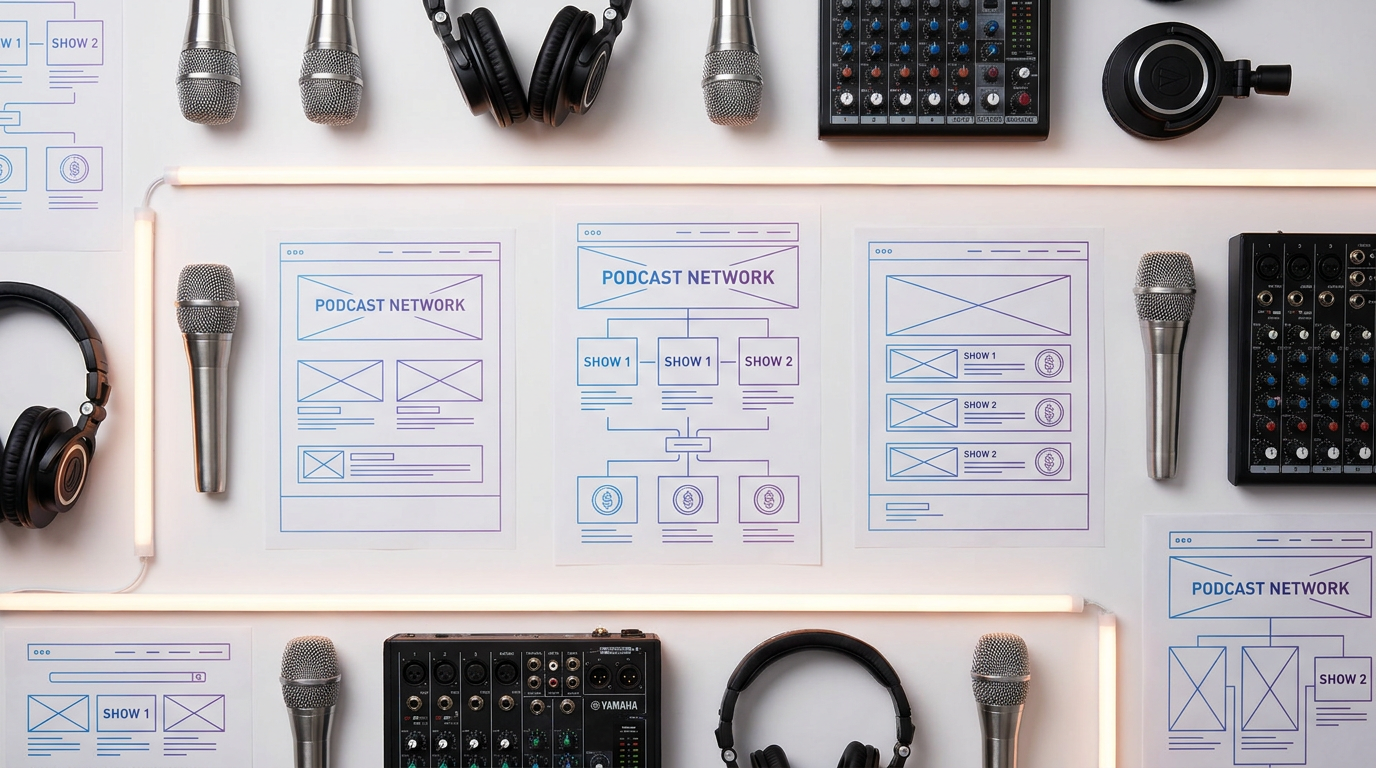
A well-designed podcast network website design is more than just a digital brochure; it's a central hub for listeners, a powerful monetization engine, and a critical tool for brand building. As podcast listenership continues its rapid ascent – projected to surpass 500 million global listeners by 2024 – the need for a sophisticated, user-friendly, and revenue-generating online presence for multi-show networks has never been greater. This guide explores the strategic approach to crafting a podcast network website that captivates audiences and unlocks diverse income streams.
The Evolving Landscape of Podcast Networks
The podcast industry has matured beyond individual creators. Networks, ranging from independent collectives to major media conglomerates, now curate diverse portfolios of shows. These networks require a unified digital home that showcases their entire catalog while offering individual show identities. The challenge lies in balancing brand consistency with unique content presentation.
!podcast network website design multishow layout monetization, industry
Why a Dedicated Website is Crucial
While platforms like Spotify and Apple Podcasts are essential distribution channels, they offer limited control over branding, user experience, and direct monetization. A dedicated website provides:
* Full Brand Control: Maintain consistent visual identity and messaging across all shows.
* Direct Listener Connection: Build email lists, foster community, and gather first-party data.
* Diversified Monetization: Implement various revenue models beyond platform-dictated ad revenue.
* Enhanced SEO: Capture organic search traffic for shows, episodes, and topics, moving beyond just podcast app discovery.
* Rich Media Integration: Embed transcripts, show notes, video components, and interactive elements not always possible on third-party platforms.
Podcast ad spend alone is expected to reach over $3 billion by 2025 in the US, highlighting the financial potential, but direct-to-consumer revenue is also rapidly growing, making a website indispensable.
Core Principles of Podcast Network Website Design
Designing for a podcast network means thinking about scale, user journey, and content discoverability. Every element should guide the listener to their next favorite show or episode.
User Experience (UX) First
Intuitive navigation is paramount. Listeners should effortlessly find specific shows, browse categories, or discover new content. More than 80% of podcast consumption occurs on mobile, so a mobile-first web design approach isn't optional; it's mandatory. Prioritize fast loading times and clear calls to action (CTAs).
Visual Cohesion and Individual Identity
Your network needs a recognizable brand, but each show also deserves its spotlight. Use a consistent design system – fonts, color palettes, and imagery – that ties all shows together while allowing unique cover art and show-specific branding. How to Customise Fonts, Colors and Your Brand Kit in Draftly can help ensure brand consistency across your entire network site.
Engaging Audio Players
Embedded audio players should be prominent, user-friendly, and feature essential controls (play/pause, skip forward/back, speed control). Consider features like playback history or 'add to queue' for an enhanced listening experience directly on your site.
Multi-Show Layout Strategies
Effective presentation of multiple shows is the cornerstone of a successful podcast network website. It's about curation and guiding discovery.
The Homepage: Your Network's Front Door
The homepage needs to offer a snapshot of your network's breadth and highlight featured content. Consider these layout elements:
* Hero Section: Feature your flagship show or a rotating carousel of latest episodes from popular series. A compelling 3D animation or video background can immediately capture attention.
* Featured Shows Grid: A visually appealing grid showcasing prominent shows with their cover art and a brief description.
* Latest Episodes Stream: A chronological feed of the most recent episodes across the entire network, allowing quick access to fresh content.
* Category/Genre Navigation: Allow users to filter shows by genre (e.g., True Crime, Comedy, Tech) to aid discovery. This is crucial for larger networks.
* Call to Action: Encourage newsletter sign-ups or prompt users to explore the full show catalog.
Dedicated Show Pages
Each podcast within your network requires its own dedicated page. This page serves as a mini-site for that specific show, offering comprehensive information and an archive of episodes.
#### Key Elements for Show Pages:
* Prominent Show Art: High-resolution cover art is essential.
* Show Description: A compelling summary that hooks new listeners.
* Subscribe Buttons: Direct links to popular podcast platforms (Apple Podcasts, Spotify, Google Podcasts).
* Episode List: A clear, navigable list of all episodes, ideally with filtering and search capabilities. Each episode should link to its dedicated page.
* Host Bios: Introduce the talent behind the mic.
* Related Shows: Suggest other podcasts within your network that might appeal to the listener, improving internal discoverability.
Individual Episode Pages
Every episode deserves its own unique URL (a permalink) for SEO and shareability. This deep-dive page provides all information related to a single episode.
#### Essential Episode Page Components:
* Episode Title and Number: Clearly presented.
* Embedded Audio Player: Front and center for immediate listening.
* Detailed Show Notes: Rich text descriptions, guest links, resources mentioned, and timestamps.
* Full Transcript: Crucial for accessibility and SEO. Search engines can crawl transcripts, helping your episodes rank for specific topics. This also boosts engagement for hearing-impaired users or those who prefer reading.
* Social Share Buttons: Easy sharing to platforms like X, Facebook, and LinkedIn.
* Comments Section: Foster community and engagement.
* Next Episode / Related Episodes: Keep listeners engaged and exploring your content.
For managing this multi-page structure efficiently, especially with a growing network, a tool like Draftly's Multi-Page Site Guide: Build a Complete Website Structure can streamline the process, allowing you to scale your content without complex development.
Monetization Models for Podcast Networks
Your website is a powerful platform for diversifying and maximizing revenue beyond traditional advertising.
1. Advertising and Sponsorships
* Direct-Sold Ads: Sell ad slots directly to brands, often commanding higher rates than programmatic ads. Your website can serve as a media kit, showcasing your audience demographics and reach.
* Programmatic Ads: Integrate ad networks that automatically place ads within your podcast content or on your website pages.
* Sponsored Content: Create dedicated episodes or website features in partnership with brands.
2. Premium Content & Subscriptions
Offer exclusive episodes, ad-free listening, bonus content, or early access through a subscription model. Platforms like Patreon can be integrated, or you can build a native subscription gateway on your site. How to Add Stripe Payments to Your Draftly Website provides a straightforward way to implement payment processing for such offerings.
3. Merchandise Sales
Capitalize on listener loyalty by selling branded merchandise (t-shirts, mugs, stickers) related to your network or individual shows. Integrate an e-commerce store directly into your website.
4. Live Events and Tours
Promote and sell tickets for live podcast recordings, Q&A sessions, or fan meet-ups. Your website can handle event listings, ticketing, and provide crucial information to attendees.
5. Affiliate Marketing
Promote products or services relevant to your audience and earn a commission on sales made through unique affiliate links embedded in show notes or dedicated blog posts on your site.
Technical & SEO Considerations
Even the most beautifully designed podcast website won't succeed without solid technical foundations and a robust SEO strategy. Visibility is key to growth and monetization.
Speed and Performance
Large audio files and rich media can slow down a site. Optimize images, minify code, and leverage content delivery networks (CDNs). A fast website is not just good for user experience; it's a critical ranking factor for search engines. Tools like Draftly are designed to ensure Draftly Site Speed Optimisation: Get a 90+ PageSpeed Score even with engaging 3D elements.
SEO for Podcast Content
Beyond basic website SEO, focus on optimizing your podcast content for search engines:
* Transcripts: As mentioned, full, accurate transcripts are invaluable for text-based search.
* Show Notes: Write descriptive, keyword-rich show notes for each episode.
* Schema Markup: Implement `PodcastEpisode` and `PodcastSeries` schema markup to help search engines understand your content and potentially display rich results. This can significantly improve your SEO for Podcast Websites: Get Found Beyond the Feed.
* Dedicated Blog: Create blog posts around episode themes, interviews, or related topics to capture broader search queries.
Analytics and Tracking
Integrate robust analytics (e.g., Google Analytics 4) to track listener behavior, popular episodes, traffic sources, and conversion rates for monetization efforts. Understanding your audience is key to sustained growth.
Building Your Podcast Network Site with Draftly
Draftly, an AI 3D website builder, offers a unique advantage for podcast networks looking to stand out. Imagine a cinematic, scroll-driven website that tells the story of your network and each show, captivating visitors from the moment they arrive.
AI-Powered Design
Start with a single prompt describing your podcast network. Draftly's AI will generate a visually stunning, responsive website template. You can then refine the design using natural language commands, focusing on your multi-show layout and branding needs.
Immersive 3D Experience
Utilize Draftly's 3D capabilities to create a truly engaging experience. Imagine a scroll-driven journey through your podcast catalog, where each show's cover art comes to life, or a dynamic visual representation of your network's themes. This level of immersion can significantly boost listener engagement and recall.
Easy Content Management
Despite the advanced design, Draftly keeps content management simple. Easily add new show pages, upload episodes, manage show notes, and integrate subscription options without touching a line of code. The Draftly SEO Panel Guide: Optimise Every Page for Search also allows you to fine-tune your SEO elements directly within the platform.
Conclusion
A robust, engaging, and well-optimized website is fundamental for any podcast network aiming for sustained growth and diversified revenue in today's competitive audio landscape. By focusing on intuitive multi-show layouts, strategic monetization, and strong technical SEO, your network can create a powerful digital presence that serves both your listeners and your business goals. Leverage modern tools like Draftly to build an immersive online home for your podcasts that not only performs but also captivates.


