How Indian Furniture Brands Are Using 3D Configurators to Boost E-Commerce Sales
The Indian furniture market has witnessed a seismic shift toward e-commerce, with an estimated 25% of total furniture sales happening online by 2026. A key driver of this growth? 3D configurators. These tools allow customers to customize and visualize furniture in real-time, resulting in higher conversion rates, lower returns, and better overall customer satisfaction.
Why 3D Configurators Are a Game-Changer for Furniture Brands
3D configurators empower customers to make informed purchase decisions by offering an interactive and immersive shopping experience. This technology is especially effective in the furniture industry, where physical feel and appearance are critical.
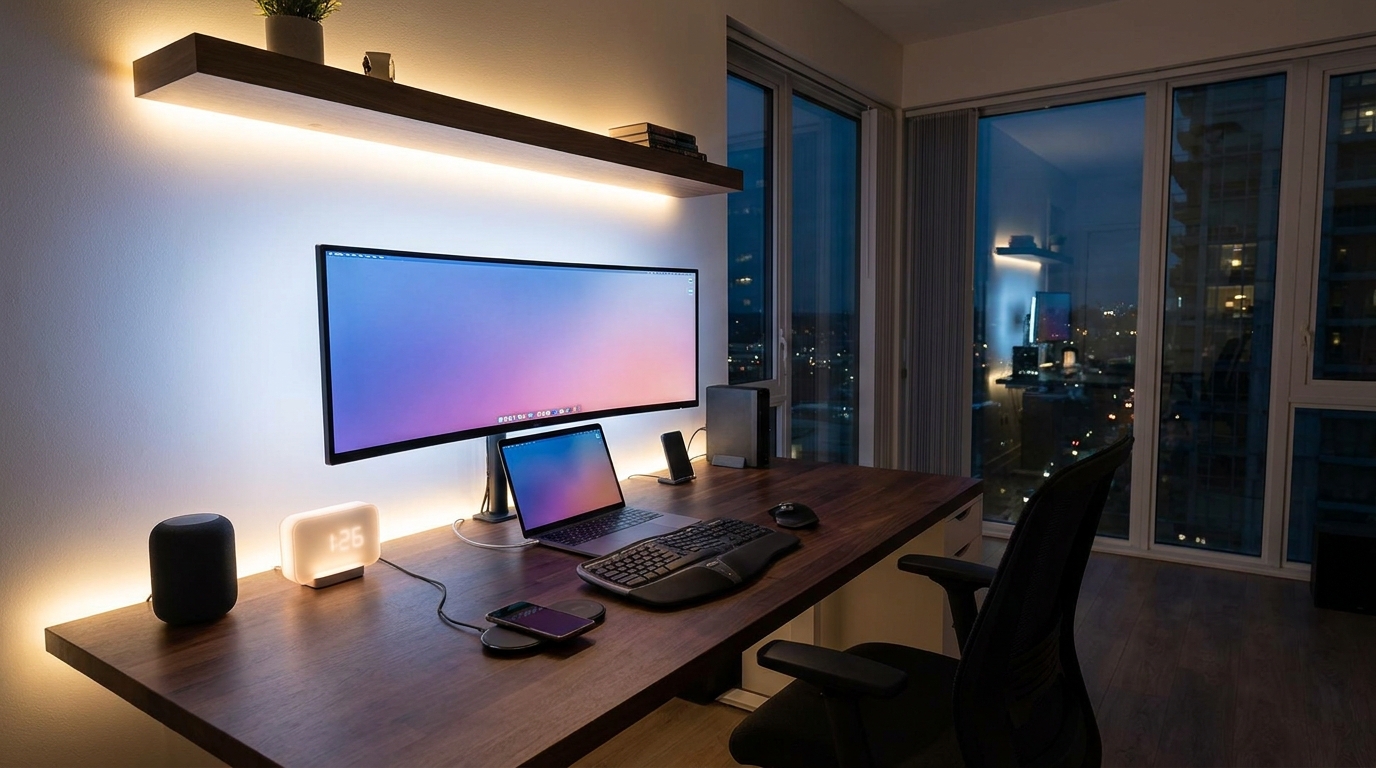
!how indian furniture brands are using 3d configurators to boost ecommerce sales, industry
- Customization: Customers can modify dimensions, colors, and materials to fit their preferences.
- Visualization: Real-time 3D rendering provides a near-accurate view of how the furniture will look in their space.
- Reduced Returns: Brands report a 30-40% decrease in return rates due to higher buyer confidence.
Benefits of 3D Configurators for E-Commerce
Enhanced Customer Engagement
Interactive tools like 3D configurators keep users engaged for longer. Industry data shows that websites with 3D configurators experience a 50% increase in time-on-site compared to static e-commerce pages.
- Personalization: Customers feel more connected to products they’ve customized themselves.
- Realism: High-quality textures and lighting make it easier to visualize the end product.
- Gamification: The interactive nature of 3D tools adds an element of fun to the shopping process.
Boosted Conversion Rates
Indian furniture brands using 3D configurators have reported conversion rate improvements of up to 60%. Consider these factors:
- Confidence in Purchase: Customers are less hesitant when they see exactly what they’re buying.
- Upselling Opportunities: Configurators encourage upgrades such as premium materials or additional features.
- Mobile Optimization: Many 3D tools are now mobile-friendly, capturing India's growing smartphone user base.
Lower Operational Costs
By reducing returns and minimizing customer service queries, brands save significantly on logistics and support. Pepperfry, for instance, used a 3D configurator to cut return-related costs by 30% in 2023.
How Indian Furniture Brands Are Implementing 3D Configurators
Collaboration with Technology Providers
Many Indian brands are partnering with tech firms to integrate 3D tools into their websites. Companies like Draftly offer 3D website solutions that are easy to deploy and scale.
Focus on Regional Customization
With India’s diverse audience, furniture brands are localizing their 3D configurators to include vernacular languages. This approach has unlocked new markets, particularly in Tier 2 and Tier 3 cities, where demand for premium furniture is growing by 15% annually.
Integration with Augmented Reality (AR)
Brands like Livspace are combining 3D configurators with AR capabilities. Customers can now “place” furniture in their homes using smartphone cameras, leading to a 25% increase in purchase confidence.
- AR features are particularly appealing for millennial and Gen Z buyers.
- They address a key concern: “Will it fit in my space?”
Challenges in Adopting 3D Configurators
While the benefits are clear, implementing 3D configurators comes with its challenges:
- High Initial Investment: Developing a robust 3D tool can cost anywhere from ₹10-20 lakh.
- Data-Intensive: These tools require optimized backend systems to ensure fast loading times. Learn how to optimize 3D websites for speed.
- Customer Education: Many first-time users need guidance to fully utilize these tools.
Future Trends: What’s Next for 3D in Furniture E-Commerce?
AI-Powered Customization
Artificial intelligence is being integrated into 3D configurators to suggest design options based on user preferences and past behavior. For example, AI could recommend popular configurations or complementary products.
Sustainability Integration
Eco-conscious buyers are increasingly asking for sustainability metrics. Furniture brands are beginning to use 3D configurators to highlight:
- Source of materials
- Carbon footprint of the product
- Recycling options
Seamless Omnichannel Experiences
Future 3D tools will enable customers to start their design journey online and finalize it in-store. This hybrid approach is expected to drive 20% higher conversions.
Explore more about how 3D websites revolutionize online shopping.


