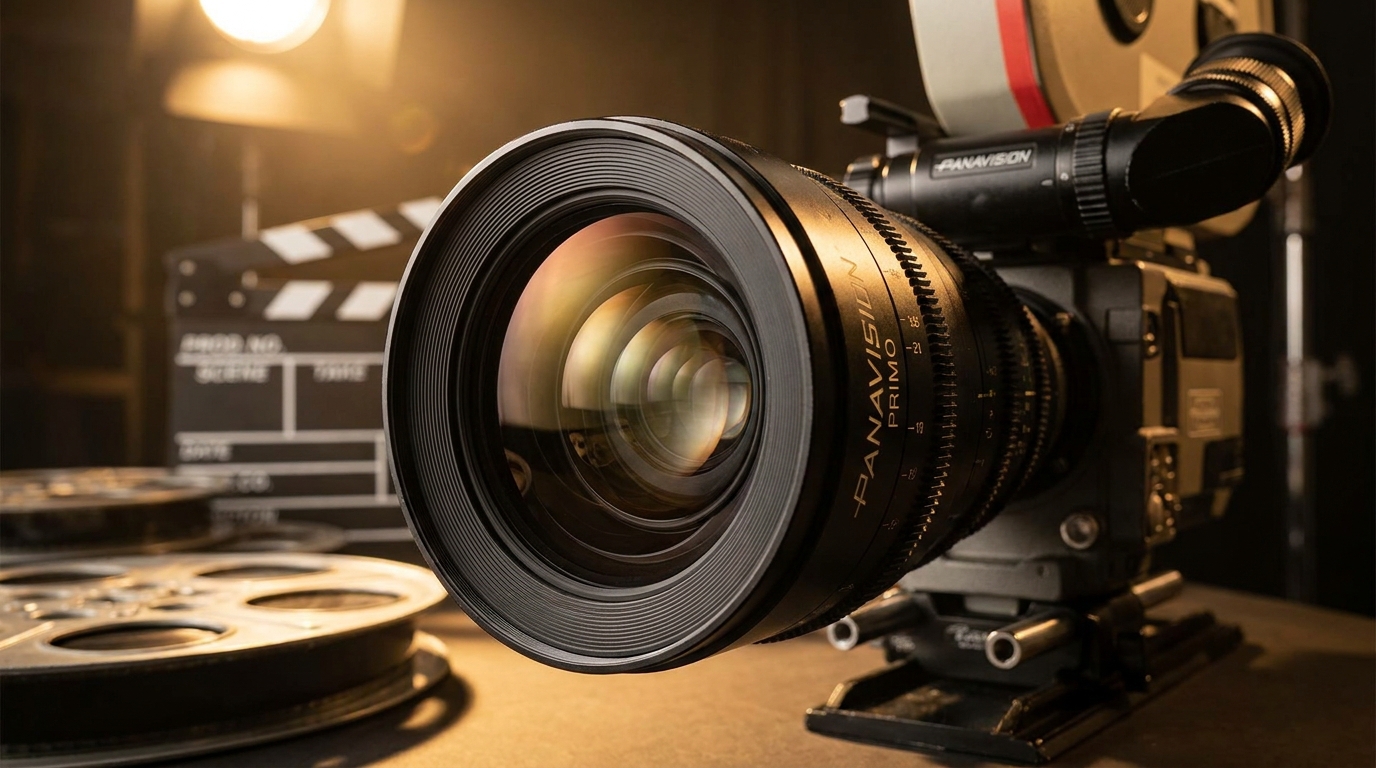
How the Film Industry Influenced Modern Cinematic Web Design
The digital realm has always sought to captivate, but the way we interact with websites has undergone a profound transformation. Modern cinematic web design, characterized by its immersive visuals, compelling narratives, and dynamic user experiences, owes a significant debt to the film industry. This isn't just about embedding a video; it's about adopting the very principles filmmakers use to tell stories, evoke emotion, and guide an audience's attention. We're seeing a shift where websites are no longer static brochures but interactive 'movies' that unfold as you scroll and engage.
Today, a website isn't merely a collection of information; it's an experience. Brands are leveraging cinematic techniques to create memorable interactions, with some studies indicating that visually immersive experiences can increase user engagement by as much as 75%. This evolution is driven by powerful new tools, like AI 3D website builders such as Draftly, that make sophisticated cinematic effects accessible without complex coding.
The Art of Visual Storytelling in Web Design
Filmmakers are masters of visual storytelling, using every frame to advance a plot, develop characters, and build atmosphere. This fundamental approach has directly influenced modern web design, moving away from text-heavy layouts to prioritize rich, sequential visual narratives.
!how the film industry influenced modern cinematic web design, industry
Full-Screen Immersion and Video Backgrounds
Just as a film opens with a powerful establishing shot, many modern websites begin with a full-screen hero section. These often feature high-quality video backgrounds or stunning 3D scenes that immediately draw the user into the brand's world. This isn't incidental; it's a deliberate choice to set a tone and convey a message before a single word is read. Websites using full-screen video backgrounds have reported up to an 80% increase in user engagement, demonstrating the power of immediate visual impact.
Consider the opening sequence of a blockbuster movie – it's designed to grab your attention, introduce key themes, and establish the setting. Similarly, websites like those for luxury brands or high-tech products now use Draftly Motion Pass Guide: Creating Cinematic Video Hero Sections to achieve this immediate, captivating effect. This technique replaces static images with dynamic motion, creating a more vivid and memorable first impression.
Narrative Pacing Through Scroll-Driven Experiences
Films carefully control the flow of information, revealing details at just the right moment to build suspense or understanding. Modern web design mimics this with scroll-driven narratives, where content unfolds sequentially as the user scrolls down the page. Each scroll acts like a cut or a scene transition in a film, presenting new visual elements, animations, or textual information.
This technique transforms passive browsing into an active journey. Instead of clicking through pages, users are guided through a carefully choreographed story. The psychological impact is significant: users feel more in control and invested in the unfolding narrative. This is where Scroll-Driven Animations: The Psychology of User Engagement comes into play, creating a natural, intuitive progression that feels less like navigating a website and more like experiencing a story.
Immersive Environments: From Set Design to 3D Websites
The film industry excels at building believable worlds, whether through elaborate physical sets or sophisticated CGI. This dedication to immersion has found its parallel in web design, particularly with the rise of 3D and interactive environments.
The Rise of 3D Models and Virtual Spaces
Filmmakers use 3D modeling and animation to create entire universes. On the web, WebGL technology and advancements in rendering allow for interactive 3D elements, product showcases, and even full virtual environments. Instead of static product photos, users can rotate, zoom, and explore a 3D model, experiencing it from every angle. This level of interaction can reduce e-commerce returns by up to 40% and increase conversion rates by 25% for products showcased in 3D.
This shift isn't limited to products. Architectural firms, real estate developers, and hospitality businesses are now creating virtual walkthroughs of spaces, allowing prospective clients to explore properties as if they were physically there. This is a direct translation of film's ability to transport an audience into a scene, offering a richer, more informative, and engaging experience. For more on this, consider when to use 3D Animation on Websites: When to Use It and When to Avoid It to ensure optimal user experience.
Orchestrated Transitions and Animations
In film, scene changes and camera movements are carefully planned to maintain continuity and impact. Web designers now employ similar principles, using sophisticated transitions and animations to guide the user's eye and maintain engagement. Smooth parallax scrolling, subtle hover effects, and animated section reveals all contribute to a fluid, film-like experience.
These elements are more than just decorative; they serve a functional purpose by directing attention, highlighting key information, and making the interaction feel more natural and responsive. Tools like Draftly allow for easy implementation of Draftly Page Transitions and Section Animations: A Design Guide, enabling designers to choreograph these movements with cinematic precision. This attention to detail elevates a website from a functional utility to an engaging piece of digital art.
Sound and Emotion: The Unseen Influence
While often overlooked in web design, sound plays a crucial role in film, setting the mood, building tension, or emphasizing emotion. Modern cinematic websites are beginning to integrate subtle audio elements, carefully and sparingly, to enhance the user experience.
Ambient Audio and Interactive Soundscapes
Imagine a website for a nature conservancy that incorporates the gentle sounds of a forest as you scroll, or a luxury brand site with a subtle, elegant ambient score. These elements, when implemented thoughtfully and with user control, can deepen immersion and emotional connection. The key is subtlety and choice; intrusive auto-play audio is universally disliked, but optional, context-sensitive sound can significantly enhance the cinematic feel. Over 60% of consumers report that an immersive experience makes them more likely to remember a brand, and carefully used audio contributes to this memorability.
The Role of AI in Democratizing Cinematic Web Design
Historically, creating cinematic web experiences required extensive coding, specialized design skills, and considerable time. However, the advent of AI 3D website builders like Draftly has democratized this process, making sophisticated, film-inspired design accessible to everyone.
AI-Powered 3D and Motion Generation
Draftly, for example, allows users to generate cinematic, scroll-driven websites from a single prompt. This includes AI-generated 3D assets, dynamic animations, and responsive layouts that adapt to various devices. The AI can interpret a prompt and translate it into a visually stunning experience, complete with intricate motion effects and transitions that would traditionally take hours of manual work.
This rapid prototyping and generation capability means that businesses can achieve high-end, immersive websites without the prohibitive costs or timelines previously associated with such projects. It's like having a team of visual effects artists and cinematographers at your fingertips, ready to bring your brand's story to life with cinematic flair. This accessibility is crucial for businesses looking to leverage the power of Why 3D Websites Are the Next Frontier for Brand Differentiation.
The Future of Cinematic Web Experiences
The influence of the film industry on modern cinematic web design is undeniable and continues to evolve. As technology advances, we can expect even more sophisticated and seamless integration of filmic techniques into our online interactions.
Virtual and augmented reality are poised to take web immersion to the next level, offering truly interactive narratives that blur the lines between browsing and experiencing. Websites will become even more personalized, adapting their narrative flow and visual presentation based on user behavior and preferences, much like interactive films. The goal remains the same: to create a captivating, emotional, and memorable journey that resonates with the user.
By embracing these cinematic principles, businesses can build websites that don't just convey information but tell compelling stories, fostering deeper connections and leaving lasting impressions. The digital stage is set, and the audience is ready for the next act.
Ready to create your own cinematic web experience? Build stunning, scroll-driven 3D websites with a single prompt using Draftly today.


