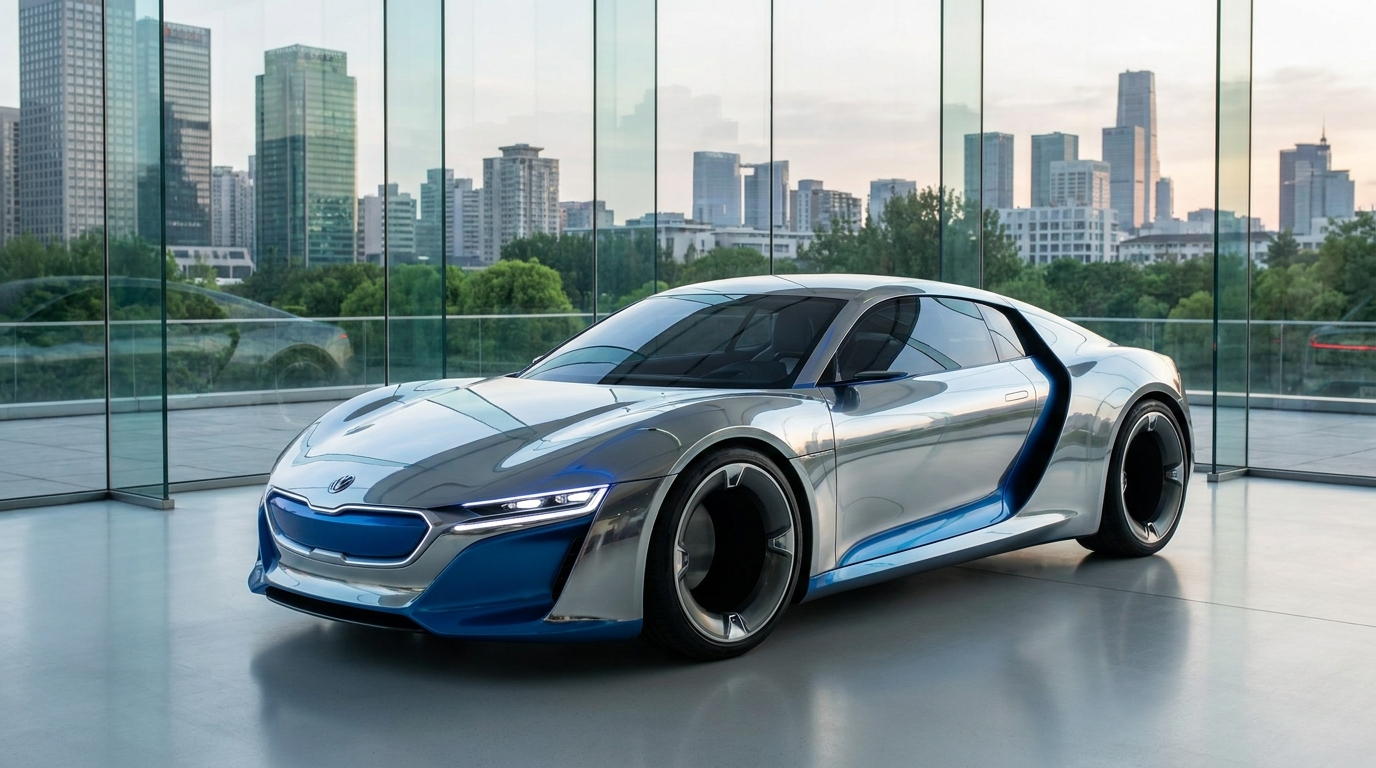
Automotive Dealership Website: Design That Sells Cars Online
The automotive industry has undergone a seismic shift, with the purchasing journey moving predominantly online. Today, an automotive dealership website isn't just a digital storefront; it's the primary sales tool, a virtual showroom, and a customer service hub all rolled into one. Buyers spend an average of 14 hours researching vehicles online before ever stepping foot into a physical dealership, with 80% starting their journey there. This means your website's design directly impacts your ability to capture attention, build trust, and ultimately, sell cars online.
Traditional dealerships often rely on foot traffic and in-person interactions. However, the digital-first consumer expects convenience, transparency, and an engaging experience from the comfort of their home. A well-designed website can reduce the average number of dealership visits before purchase (which has dropped from 5 to just 1.4 since 2005), streamlining the sales funnel and improving conversion rates.
The Evolving Automotive Buyer Journey: Digital-First Imperative
The modern car buyer is empowered by information. They research models, compare prices, read reviews, and even explore financing options long before contacting a sales associate. This shift has profound implications for dealership website design:
!automotive dealership website design that sells cars online, industry
* Information Accessibility: Buyers expect comprehensive details on every vehicle, including high-resolution images, detailed specifications, and transparent pricing.
* Personalization: Generic experiences fall flat. Tailored content, vehicle recommendations, and personalized offers significantly boost engagement.
* Seamless Experience: From browsing inventory to scheduling a test drive or even completing a purchase, the journey should be smooth across all devices.
* Trust and Transparency: Online reviews, clear policies, and easy access to contact information build credibility in a sector often associated with skepticism.
Dealers who embrace these digital expectations are seeing tangible results. Studies show that digitally-sourced leads often convert at rates 2-3 times higher than traditional walk-ins, emphasizing the ROI of a robust online presence.
Core Design Principles for a High-Converting Automotive Website
To effectively sell cars online, your website needs to be more than just visually appealing. It must be strategically designed for conversion.
1. Mobile-First Responsiveness
Over 60% of automotive searches occur on mobile devices. If your website isn't flawlessly responsive, you're alienating a vast segment of your potential market. A mobile-first design ensures fast loading times, easy navigation, and an optimized viewing experience on any screen size. This is crucial not just for user experience but also for SEO, as Google prioritizes mobile-friendly sites for ranking.
2. Speed and Performance
Slow websites kill conversions. Every second counts. A delay of just one second can lead to a 7% reduction in conversions. Automotive sites, rich with high-quality images and videos, must be optimized for speed. This includes efficient image compression, lazy loading, and robust hosting. Tools like Draftly are engineered to deliver Draftly Site Speed Optimisation: Get a 90+ PageSpeed Score even with immersive 3D content.
3. High-Impact Visuals and 3D Experiences
Cars are visual products. Static images are no longer enough. Incorporate:
* 360-degree exterior and interior views: Allow users to explore every angle of a vehicle.
* High-resolution photo galleries: Showcase details, features, and different color options.
* Walkaround videos: Provide a dynamic, guided tour of the vehicle.
* 3D configurators: Let buyers customize vehicles (colors, trims, features) in real-time. This interactive element can increase user engagement by up to 200-300% compared to static images, leading to higher intent.
This immersive experience is where platforms like Draftly shine, enabling dealerships to create captivating Why 3D Websites Are the Next Frontier for Brand Differentiation that turn browsing into an interactive journey.
4. Clear Calls-to-Action (CTAs)
Every page should guide the user to the next logical step. CTAs should be prominent, action-oriented, and easy to understand. Examples include:
* "Schedule a Test Drive"
* "Get E-Price"
* "Value Your Trade"
* "Apply for Financing"
* "Check Availability"
* "Contact Us"
Placement, color, and copy all play a role in effective CTA design. Ensure they are above the fold where possible and repeated strategically throughout the page.
Key Features Every Automotive Dealership Website Must Have
Beyond core design principles, specific functionalities are non-negotiable for a modern automotive website.
1. Comprehensive Vehicle Inventory Management
Your inventory is your product. It needs to be easily searchable and filterable. Features should include:
* Advanced Search Filters: Make it easy for users to find vehicles by make, model, year, price, body style, mileage, and features.
* Detailed Vehicle Pages (VDPs): Each vehicle should have its own dedicated page with extensive information, including specs, features, fuel economy, safety ratings, and high-quality media.
* Real-time Updates: Ensure inventory is always current to avoid frustrating customers with unavailable vehicles.
2. Transparent Pricing and Financing Tools
Hidden fees and opaque pricing are major turn-offs. Provide tools that empower buyers:
* Online Payment Calculators: Allow users to estimate monthly payments based on vehicle price, down payment, interest rate, and term.
* Online Finance Application: Streamline the pre-approval process by allowing customers to apply for financing securely online.
* Trade-in Value Estimator: Offer a quick and easy way for customers to get an estimate for their current vehicle.
3. Service Scheduling and Parts Ordering
Your website isn't just for sales; it's also a crucial tool for your service department. Integrate an How to Add an Online Booking Calendar to Your Draftly Site for maintenance and repairs. Allow customers to order parts online with clear diagrams and descriptions.
4. Customer Reviews and Testimonials
Social proof is incredibly powerful. Display customer reviews and testimonials prominently. This builds trust and provides reassurance to potential buyers. Consider integrating review platforms like Google Reviews or DealerRater directly onto your site. Implementing How to Add Review Schema to Your Draftly Site for Google Stars can also help your reviews stand out in search results.
5. Lead Capture and Communication Tools
Make it easy for customers to get in touch. Include:
* Contact Forms: Simple forms for inquiries, test drive requests, or specific vehicle information.
* Live Chat/Chatbots: Provide instant answers to common questions and capture leads 24/7. Modern AI chatbots can handle a significant portion of initial customer queries.
* WhatsApp Integration: A direct and convenient way for customers to communicate, especially prevalent in markets like India.
Leveraging 3D and AI for Next-Gen Dealership Sites
This is where Draftly stands out, enabling automotive dealerships to move beyond static websites and create truly immersive digital experiences.
Cinematic Scroll Experiences
Imagine a potential buyer scrolling through your inventory, and as they scroll, the car rotates, changes color, or highlights key features with engaging animations. Draftly's cinematic scroll-driven websites turn passive browsing into an active, guided exploration. This can create a 'virtual test drive' experience that mirrors the excitement of seeing a car in person.
AI-Powered Personalization
AI can analyze user behavior to present relevant vehicles, offers, and content. If a user frequently views SUVs, the AI can dynamically reorder inventory or suggest similar models. Draftly's AI capabilities extend to content generation and site updates, making it easier to keep your website fresh and responsive to market trends.
3D Model Integration
Beyond 360-degree images, integrating full 3D models allows for deeper interaction. Buyers can zoom, pan, and even 'open doors' virtually. This level of detail and control significantly enhances the online buying experience and builds confidence in their purchase decision.
Measuring Success and Continuous Optimization
Launching a great website is just the beginning. Continuous monitoring and optimization are key to long-term success.
1. Analytics and Tracking
Implement robust analytics (like Google Analytics 4) to track key metrics:
* Traffic Sources: Where are your visitors coming from?
* Bounce Rate: Are users leaving quickly?
* Time on Site/Pages per Session: Are users engaged?
* Conversion Rates: How many visitors complete a desired action (e.g., submit a form, schedule a test drive)?
* Vehicle Page Views: Which models are most popular?
Tools like Draftly Analytics: Understanding Your Site Traffic and Conversions provide insights to refine your strategy.
2. SEO for Local and Vehicle-Specific Searches
Automotive buyers often search for specific models or dealerships in their local area. Your SEO strategy must reflect this:
* Local SEO: Optimize your Google Business Profile, ensure consistent NAP (Name, Address, Phone) information across the web, and target local keywords. For more, see Local SEO for Small Businesses: Does Your Website Pass the 2026 Test?.
* Keyword Optimization: Target long-tail keywords like "used Honda CR-V for sale in [City Name]" or "new electric car deals [Dealership Name]".
* Schema Markup: Use vehicle schema markup to help search engines understand your inventory, potentially leading to rich results in search. A Structured Data Guide: How Schema Markup Improves Your SEO can guide you through this process.
3. A/B Testing
Experiment with different layouts, CTA colors, copy, and imagery to see what resonates best with your audience. Small changes can lead to significant improvements in conversion rates. Test elements like:
* Hero section visuals
* Placement of financing calculators
* Wording of test drive requests
4. User Feedback
Actively solicit feedback from your website visitors. Surveys, polls, and even heatmaps can reveal pain points and areas for improvement. Understanding user behavior is paramount.
Conclusion
An automotive dealership website is no longer an optional add-on; it's the bedrock of your sales strategy. By focusing on mobile-first design, high-impact visuals (especially 3D and cinematic experiences), transparent information, and powerful lead capture tools, dealerships can create a digital showroom that not only attracts but also converts. Embracing AI-driven platforms like Draftly allows you to build a dynamic, high-performing website that meets the demands of today's digital-first car buyer, driving more sales online and fostering long-term customer relationships.
Ready to transform your dealership's online presence? Build your cinematic automotive website with Draftly today.


