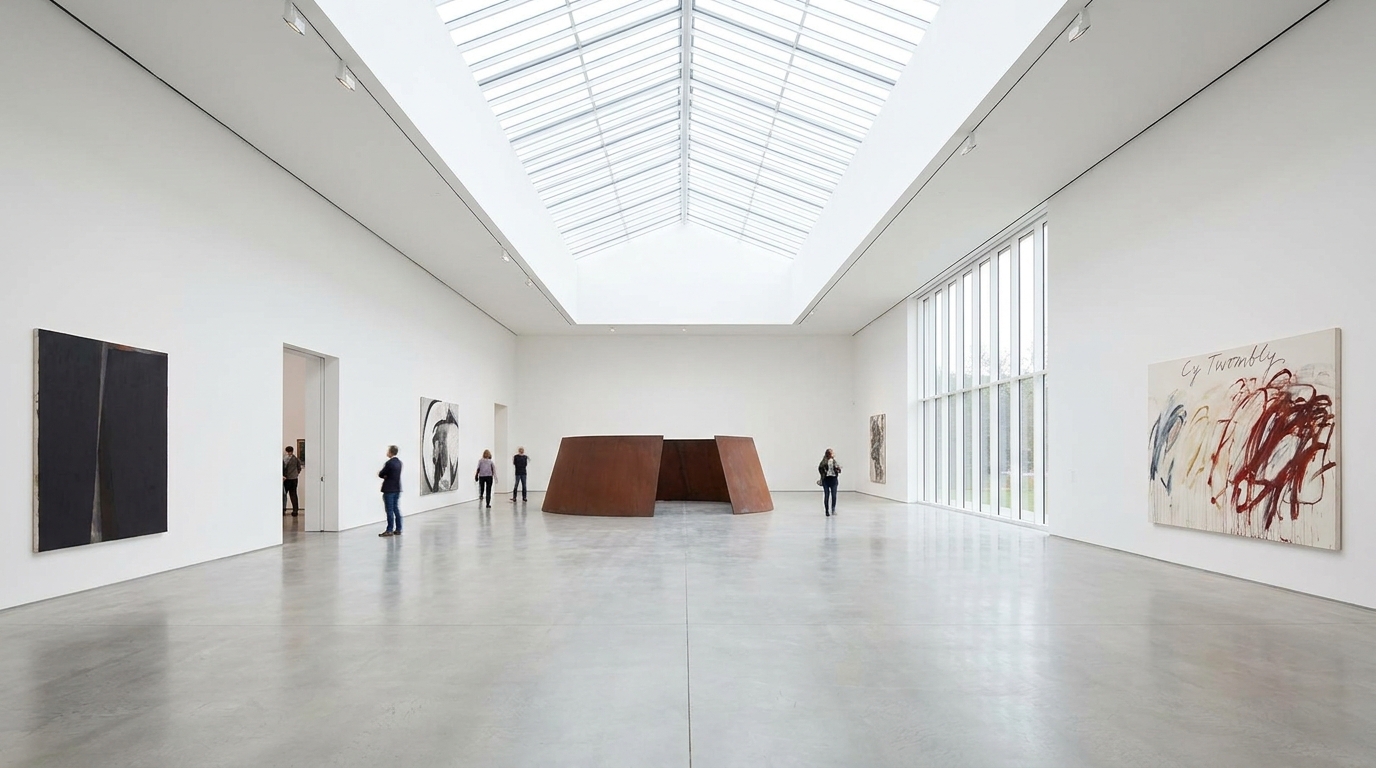
Art Gallery Website Design: Selling Art and Building Collectors
For art galleries, a robust online presence is no longer supplementary; it is a fundamental pillar for market reach, sales, and establishing enduring relationships with collectors. The digital realm offers unprecedented opportunities to showcase art beyond geographical limitations, but it demands a strategic approach to website design that prioritifies both aesthetic integrity and commercial efficacy. An art gallery website must function as a virtual exhibition space, a compelling storytelling platform, and a seamless e-commerce portal.
The Visual Imperative: Showcasing Art with Fidelity
Art is inherently visual, and its digital representation must honor this. High-resolution imagery is non-negotiable. Each artwork requires multiple views: a full shot, detailed close-ups, and contextual images showing scale or texture. These visuals must be pristine, accurately color-calibrated, and optimized for rapid loading across devices. For three-dimensional works like sculptures or installations, integrating 3D models or interactive panoramic views can significantly enhance the viewer's understanding and appreciation, bridging the gap between physical and digital viewing.
!art gallery website design selling art building collectors, industry
Beyond static images, consider incorporating video walkthroughs of exhibitions or artist interviews. These elements provide depth and a multi-sensory experience that static images cannot fully convey, drawing potential collectors deeper into the narrative of the art and the artist.
Storytelling: Connecting Art to Emotion and Value
Art's value extends beyond its visual appeal; it resides in its narrative, the artist's journey, and the conceptual framework. A compelling art gallery website integrates rich storytelling elements:
* Artist Profiles: Detailed biographies, artist statements, CVs, and even studio visit videos humanize the creators and build connection.
* Exhibition Documentation: Curatorial texts, installation views, and press releases provide context and intellectual depth to presented works.
* Artwork Descriptions: Beyond basic dimensions and medium, offer insights into the piece's inspiration, technique, and significance. This educational aspect enriches the viewing experience and justifies value.
By providing this contextual information, galleries educate their audience, cultivate connoisseurship, and foster a deeper emotional investment in the art. This strategic communication builds trust and authority, crucial factors in art acquisition.
Seamless E-commerce: From Admiration to Acquisition
Converting admiration into acquisition requires a frictionless e-commerce experience. A sophisticated online store is essential for selling art directly. Key components include:
* Clear Pricing and Availability: Transparency about pricing, whether listed directly or available upon inquiry, is vital. Clear indications of availability (e.g., 'Sold,' 'On Hold,' 'Available') manage expectations.
* Secure Payment Gateways: Integration with trusted payment processors ensures secure transactions, building buyer confidence.
* Detailed Shipping and Logistics: Art shipping is complex. Provide clear policies on packaging, insurance, shipping costs, and delivery timelines for both domestic and international buyers. Consider offering white-glove delivery options for high-value pieces.
* High-Quality Product Pages: Each artwork's dedicated page should be meticulously designed, featuring all visual and textual information, alongside a clear call to action. Draftly's E-Commerce Product Pages are engineered to convert browsers into buyers, ensuring every detail of the artwork is presented effectively for sale.
Building a Collector Base: Cultivating Relationships Digitally
An art gallery website is not just for transactional sales; it's a powerful tool for community building and fostering long-term collector relationships. Strategies include:
* Email List Building: Implement prominent, but not intrusive, sign-up forms for newsletters. Offer exclusive content, early access to new works, or invitations to virtual events as incentives.
* Virtual Previews and Exhibitions: Host online-only exhibitions or provide VIP access to previews before public launch. This creates exclusivity and rewards loyal followers.
* Educational Content: Blog posts, artist interviews, or articles about art collecting trends position the gallery as a thought leader and resource.
* Social Media Integration: Seamless links to social channels extend the gallery's reach and encourage engagement, driving traffic back to the website.
Brand Identity and User Experience: The Digital Gallery Ambiance
The website's design should reflect the gallery's unique brand identity and curatorial vision. This includes a cohesive visual language, intuitive navigation, and responsive design across all devices. A gallery's digital ambiance is as critical as its physical space.
* Visual Cohesion: The choice of typography, color palette, and layout should align with the gallery's aesthetic. A minimalist design often serves best, allowing the art to be the focal point. Learning How to Customise Fonts, Colors and Your Brand Kit in Draftly is fundamental to creating this consistent and professional online identity.
* Intuitive Navigation: Visitors should effortlessly find artists, exhibitions, available works, and contact information. Clear menus and search functionalities are paramount.
* Mobile Responsiveness: A significant portion of website traffic originates from mobile devices. The site must offer a flawless experience on smartphones and tablets, ensuring images load quickly and layouts adapt gracefully.
Performance and Discoverability: Ensuring Your Art is Seen
Even the most beautifully designed website is ineffective if it cannot be found or if it frustrates users with slow performance.
* Website Loading Speed: High-resolution images, while necessary, can impede loading times. Effective image optimization techniques, combined with efficient code, are crucial. For 3D elements, this becomes even more critical. Understanding 3D Website Loading Speed: How to Stay Fast Without Sacrificing Visual Quality is essential to retain user engagement and prevent bounce rates.
* Search Engine Optimization (SEO): Implement robust SEO strategies to ensure the gallery ranks highly for relevant search terms. This includes optimizing artist names, artwork titles, exhibition names, and location data. Technical SEO, such as structured data for artworks and events, also plays a significant role in discoverability.
* Accessibility: Ensure the website is accessible to all users, including those with disabilities. This broadens reach and demonstrates inclusivity.
Leveraging 3D and AI for Enhanced Engagement
Modern web technologies, particularly 3D and AI, offer unprecedented opportunities for art galleries.
* Immersive 3D Experiences: Imagine virtual gallery tours that allow collectors to navigate spaces, zoom into artworks, and even see pieces 'in situ' within a virtual home. This level of immersion fosters a deeper connection than static images. Why 3D Websites Are the Next Frontier for Brand Differentiation provides insights into how these advanced visual experiences can set a gallery apart.
* AI for Content and Curation: AI tools can assist in generating descriptive text for artworks, creating conceptual backgrounds for virtual exhibitions, or even personalizing content recommendations for collectors. Leveraging Using AI Image Generation in Draftly: Get the Best Results can provide galleries with unique visual assets for marketing or digital displays, pushing creative boundaries.
Draftly's Role in Modern Art Gallery Websites
Draftly, as an AI 3D website builder, is uniquely positioned to address the specific needs of art galleries. Its capabilities allow for:
* High-Fidelity Visuals: Effortlessly integrate high-resolution images, 3D models, and video without compromising site performance.
* Intuitive Design Tools: Create a visually stunning website that reflects the gallery's brand, with extensive customization options for layout, typography, and color schemes.
* Seamless E-commerce Integration: Build robust product pages for artworks, manage inventory, and process secure transactions.
* Optimized Performance: Draftly's architecture ensures that even visually rich 3D websites load quickly, providing an excellent user experience across all devices.
* Future-Proofing: Leverage 3D environments and AI-powered tools to create immersive experiences that captivate collectors and differentiate the gallery in a competitive market.
A well-designed art gallery website is an investment that yields significant returns, expanding market reach, facilitating sales, and cultivating a loyal community of collectors. By prioritizing visual quality, compelling storytelling, seamless e-commerce, and advanced technological integration, galleries can transform their digital presence into a dynamic and profitable extension of their physical space.
---
Ready to elevate your art gallery's online presence? Explore Draftly's AI 3D website builder and create a platform that truly showcases your art and connects with collectors worldwide.


