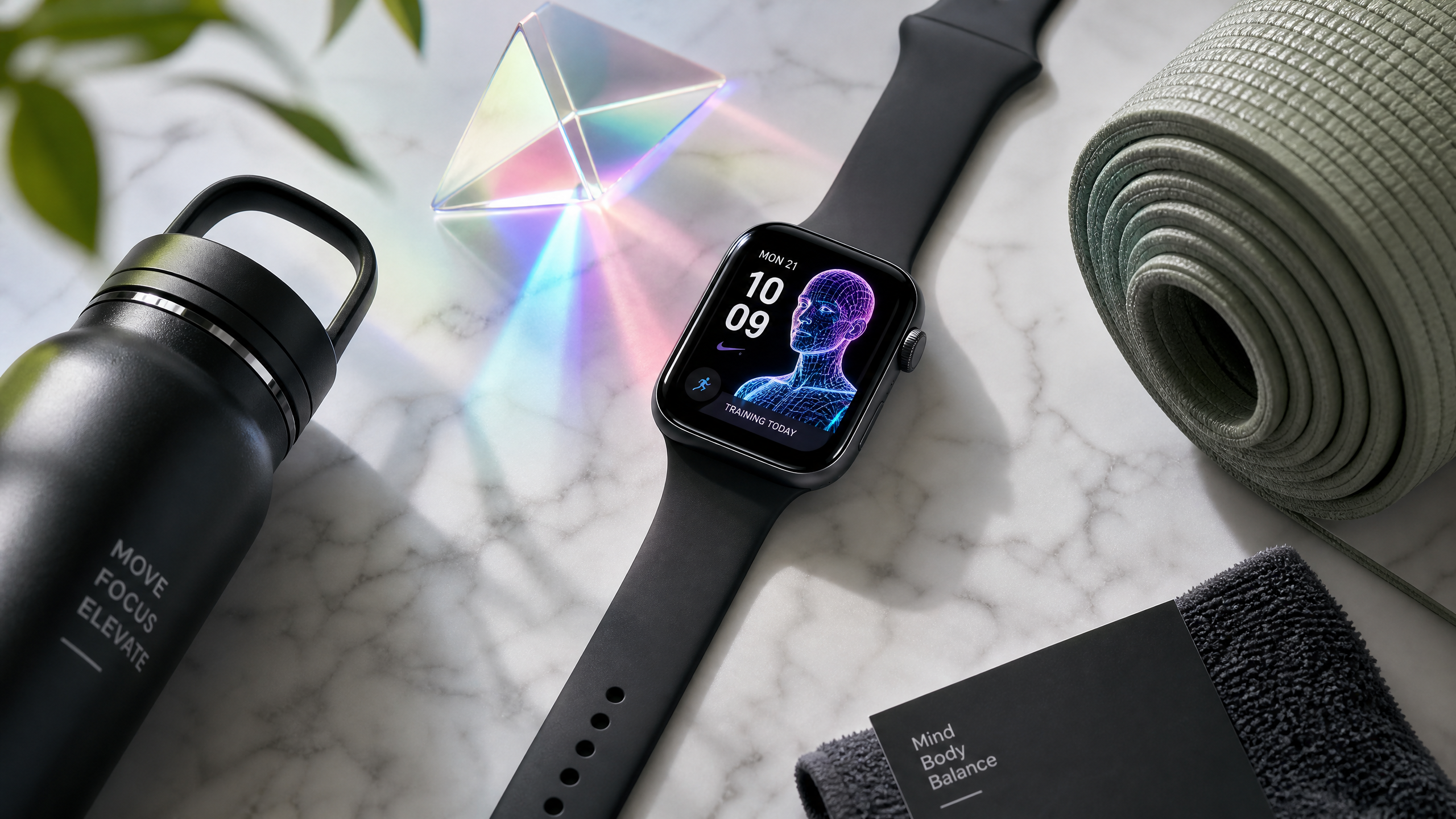
The Benefits of AI 3D Websites for Fitness Apps to Improve User Engagement
Fitness apps are no longer just about tracking steps or calories. In an industry where user engagement determines success, AI 3D websites are proving to be a game-changer. These advanced platforms deliver interactive, immersive experiences that captivate users and keep them coming back for more.
How AI 3D Websites Revolutionize Fitness Apps
Fitness apps face two main challenges: retaining users and providing engaging, value-driven content. AI 3D websites address these by merging cutting-edge artificial intelligence with interactive 3D visuals that transform how users interact with fitness platforms. Here’s how:
!the benefits of ai 3d websites for fitness apps to improve user engagement, industry
- Personalized Experiences: AI algorithms analyze user preferences and behaviors to create tailored workout plans and goals, which can be visualized in 3D, enhancing motivation.
- Gamification: 3D environments make it easier to incorporate game-like elements such as progress maps, badges, and interactive avatars.
- Visual Storytelling: With AI 3D design, fitness apps can showcase before-and-after transformations, workout animations, and progress dashboards in visually stunning ways.
Why Immersive 3D Design Drives User Engagement
User engagement is the lifeblood of any app-based business. AI 3D websites excel because they create experiences that feel real, interactive, and rewarding.
The Science Behind Immersion
Immersive design taps into how humans process information. Visual and interactive elements stimulate multiple senses, creating a stronger emotional connection with the content. For fitness apps:
- 3D Workout Demos: Instead of static images or videos, users can manipulate 3D models to explore proper form and technique from every angle.
- Virtual Trainers: AI-driven avatars can guide users through workouts, providing real-time feedback.
- Dynamic Dashboards: Progress is visualized in compelling 3D graphics, from weight loss timelines to strength gains, making results more tangible and motivating.
Real-World Results
Fitness app users spend an average of 45% more time on platforms with interactive 3D elements compared to traditional designs. Moreover, apps featuring AI personalization see a 20% higher engagement rate within their first three months of adoption.
AI-Driven Personalization: The Key to Loyalty
Fitness is not one-size-fits-all, and users expect apps to understand their unique goals. AI-powered 3D websites excel at tailoring experiences in ways that feel personal and impactful.
- Real-Time Adaptation: AI can adjust workout recommendations based on user progress, injuries, or preferences.
- Custom 3D Visuals: Imagine showing users a 3D projection of their future self after 6 months of workouts—a feature that dramatically boosts commitment.
- Emotional Connection: Personalized dashboards and 3D visuals make users feel seen and valued, which is critical for customer loyalty.
Gamification Meets Fitness Goals
Gamification isn’t just a buzzword; it’s a proven strategy to improve engagement. AI 3D websites elevate gamification for fitness apps by offering rich, interactive environments.
Examples of Gamified Features
- Progress Maps: Users can navigate 3D maps of virtual fitness challenges, unlocking rewards as they advance.
- Achievement Badges: 3D animations make milestones feel celebratory and shareable.
- Social Leaderboards: Users compete with friends in visually engaging 3D dashboards, fostering community.
The Future of AI 3D Websites in Fitness
AI and 3D design aren’t just trends—they’re becoming essential tools for long-term growth. Fitness apps that embrace these technologies are better equipped to attract, engage, and retain users in an increasingly competitive market.
- The global fitness app market is projected to hit $14.7 billion by 2028, growing at a compound annual growth rate (CAGR) of 21.6%.
- As more apps adopt AI and 3D features, early adopters will have a significant edge in brand differentiation and user loyalty.


