Why 3D Training Portals Increase Skill Retention for Indian Manufacturing Firms
In India's manufacturing sector, skill gaps have long been a challenge, with reports suggesting that over 50% of the workforce needs reskilling to meet global industry standards. Traditional training methods often fail to engage workers effectively, leading to low retention rates and increased operational costs. Enter 3D training portals—a game-changer that leverages immersive technology to transform workforce training outcomes.
The Need for Effective Skill Retention in Manufacturing
The Indian manufacturing industry contributes about 17% to the GDP, with ambitions to reach 25% by 2025. However, achieving this requires a skilled workforce capable of operating advanced machinery and adapting to rapid technological changes.
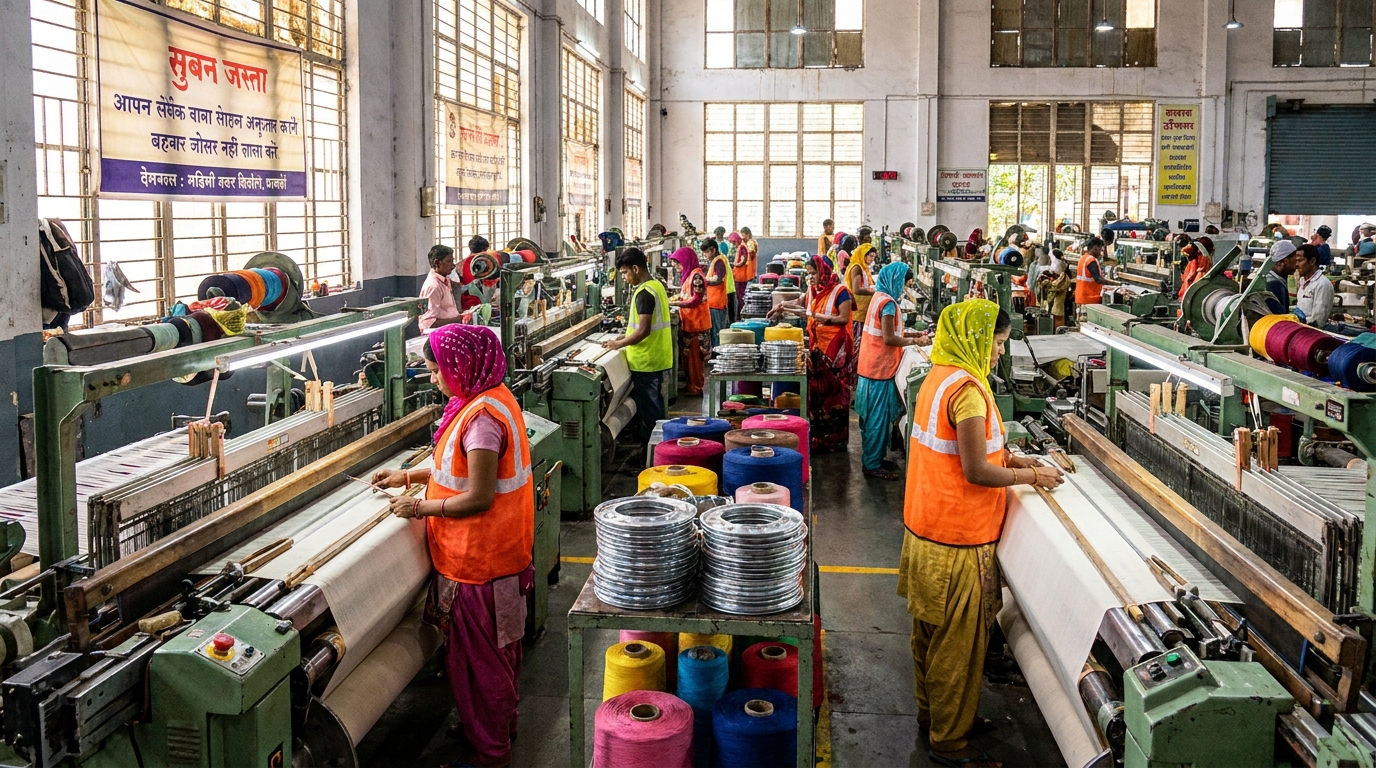
!why 3d training portals increase skill retention for indian manufacturing firms, industry
- Skill gaps in the workforce: A 2020 FICCI report highlighted that 60-65% of the Indian manufacturing workforce lacks the necessary technical skills to operate modern equipment.
- High cost of errors: Every minute of downtime in a manufacturing plant can cost companies anywhere between ₹50,000 to ₹2,00,000.
- Traditional training limitations: Classroom-based and on-the-job training methods often rely on static materials, which fail to engage workers and address diverse learning styles.
How 3D Training Portals Work
3D training portals use immersive animations and interactive simulations to replicate real-world manufacturing scenarios. Workers can virtually interact with machinery, perform tasks, and receive real-time feedback—all without the risks and costs associated with live training.
Key Features of 3D Training Portals
- Scenario-based learning: Simulate complex tasks like assembly line troubleshooting or CNC machine operations in a controlled, virtual environment.
- Gamification elements: Incorporate quizzes, point systems, and leaderboards to keep workers engaged.
- Real-time analytics: Employers can track individual progress, identify skill gaps, and customize training modules.
Benefits of 3D Training for Indian Manufacturing Firms
1. Improved Skill Retention
Studies show that interactive and visual learning can improve knowledge retention by up to 40%, compared to traditional methods. Workers can repeatedly practice tasks in a risk-free environment until they achieve mastery.
- Repetition without risk: Employees can practice complex operations without worrying about causing damage to expensive machinery.
- Catering to various learning styles: 3D training content combines visual, auditory, and kinesthetic elements, making it effective for a diverse workforce.
2. Reduced Training Costs
Traditional training often requires physical equipment, materials, and facility downtime. A 3D training portal eliminates these costs by virtualizing the training process.
- Lower operational disruptions: Training can occur without halting production lines.
- Cost-effective scaling: Digital training modules can be reused and updated at a fraction of the cost of retraining staff in person.
3. Enhanced Worker Safety
Safety is paramount in manufacturing, where hazardous equipment and environments are common. 3D training portals allow workers to practice safety protocols without exposing them to real-world risks.
- Simulate emergency scenarios: Workers can learn how to handle equipment malfunctions or safety breaches in a virtual space.
- Reduce workplace accidents: Firms using 3D portals have reported a 25-30% decline in on-site injuries.
Real-World Success Stories
Case Study: Hero MotoCorp
Hero MotoCorp, India’s largest two-wheeler manufacturer, adopted a 3D training portal to train assembly line workers across its multiple plants. Within six months:
- Employee error rates dropped by 20%.
- Training completion time reduced by 30%.
- Worker satisfaction scores increased by 15% due to the gamified learning experience.
Case Study: Tata Steel
Tata Steel launched a 3D immersive training program to enhance safety and operational skills. The results were striking:
- A 40% improvement in compliance with safety protocols.
- A 25% reduction in equipment downtime caused by human error.
- Significant cost savings on physical training setups.
How to Implement 3D Training Portals
Follow these steps to integrate 3D portals into your manufacturing training programs:
- Assess training needs: Identify skill gaps and prioritize areas where 3D training can bring the most impact.
- Choose the right platform: Opt for a solution that offers customizable modules and analytics, like Draftly’s 3D tools.
- Start small, then scale: Begin with a pilot program for a specific department, gather feedback, and refine the process.
- Measure success: Use data analytics to track improvements in performance, retention, and safety metrics.


