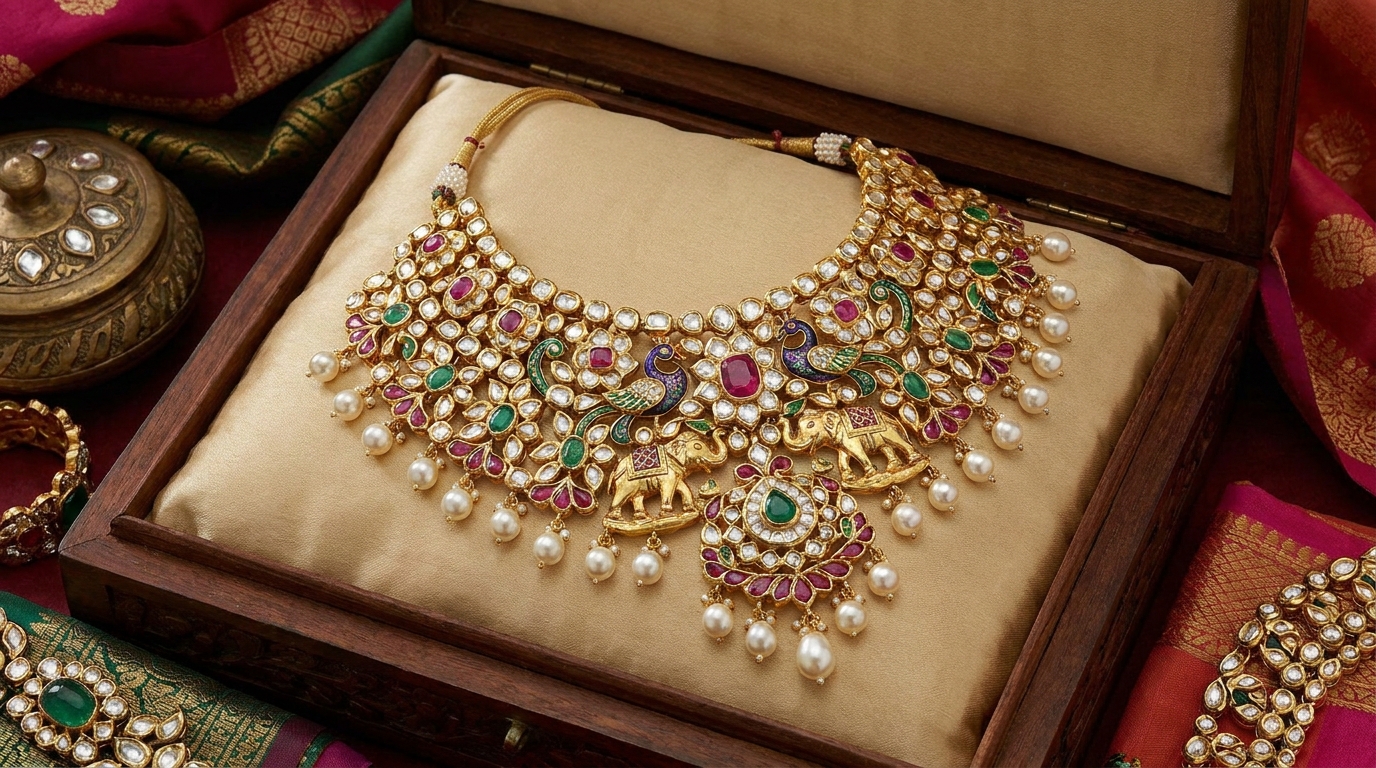
How to Leverage 3D Product Pages for High-End Indian Jewelry Exports
The $40 billion Indian jewelry export market is renowned for its intricate craftsmanship and high-quality materials. Yet, many brands struggle to translate this charm online. 3D product pages offer a transformative opportunity to bridge this gap, enabling buyers to virtually experience the detail and artistry of high-end Indian jewelry.
Why 3D Product Pages Matter for Jewelry Exports
3D product pages allow brands to showcase jewelry in lifelike detail, building trust with international buyers who can’t physically inspect the items. According to a study by Shopify, 59% of online shoppers believe that a 3D product view improves their confidence in a purchase.
!how to leverage 3d product pages for highend indian jewelry exports, industry
- Enhanced Visuals: High-resolution 3D models highlight intricate designs, stones, and settings.
- Interactive Features: Users can rotate, zoom, and view products from multiple angles.
- Reduced Returns: 3D views can cut e-commerce return rates by up to 40%, particularly for luxury goods (source).
Key Benefits of 3D Product Pages for Indian Jewelry Brands
Boost Buyer Confidence
Selling high-value jewelry internationally demands trust. 3D product pages provide a detailed, tactile experience that assures buyers of quality.
- Showcase Authenticity: High-resolution renders mimic in-store experiences.
- Highlight Craftsmanship: Zoom features emphasize minute details like filigree work or gemstone clarity.
- Offer Transparency: Include metadata like karat, stone origin, and weight alongside visuals.
Reduce International Returns
According to data from McKinsey, jewelry returns are often due to unmet expectations. 3D visualizations mitigate this by setting clear expectations upfront.
- Buyers can visualize proportions accurately.
- Rotatable views clarify how pieces will look in real life.
- Interactive sizing tools ensure correct fits.
Differentiate in a Crowded Market
The global jewelry market is fiercely competitive. A 3D-enabled website sets Indian brands apart by providing a cinematic shopping experience (learn more about cinematic websites).
- Stand out against flat catalog images.
- Attract tech-savvy millennial and Gen Z buyers.
- Extend reach to high-value markets like the US and UAE.
Building a High-Impact 3D Jewelry Page
Essential Features to Include
- 360-Degree Product Views:
- Customizable Options:
- Augmented Reality Try-Ons:
Step-by-Step Implementation
- Use High-Quality 3D Models:
- Add Interactive Elements:
- Optimize for Mobile:
- Integrate Local Payment Gateways:
Challenges and How to Overcome Them
High Bandwidth Requirements
3D content can slow down site performance. Use tools like WebGL for rendering lightweight models and optimize 3D visuals for slow internet regions.
Initial Investment
Creating 3D assets can be expensive. However, platforms like Draftly streamline this with AI-driven 3D rendering, cutting costs by up to 50%.
Educating Buyers
Not all buyers are familiar with 3D tools. Include quick tutorials or tooltips to maximize engagement.


