How 3D Immersive Dashboards Are Helping Indian Food Delivery Apps Optimize Logistics
Indian food delivery apps are facing intense challenges as demand skyrockets. With over 60 million monthly users, platforms like Swiggy and Zomato are stretched thin trying to manage riders, routes, and customer expectations. Enter 3D immersive dashboards, a game-changing solution that delivers real-time logistics optimization.
The Challenge: Managing Complex Delivery Networks
Food delivery logistics in India is a high-stakes game. Riders often face unpredictable traffic, limited parking, and congested urban zones. Delivery apps scramble to:
!how 3d immersive dashboards are helping indian food delivery apps optimize logistics, industry
- Optimize routes for urban and suburban deliveries
- Monitor order statuses across thousands of restaurants
- Reduce delivery times to stay competitive
The Solution: 3D Immersive Dashboards
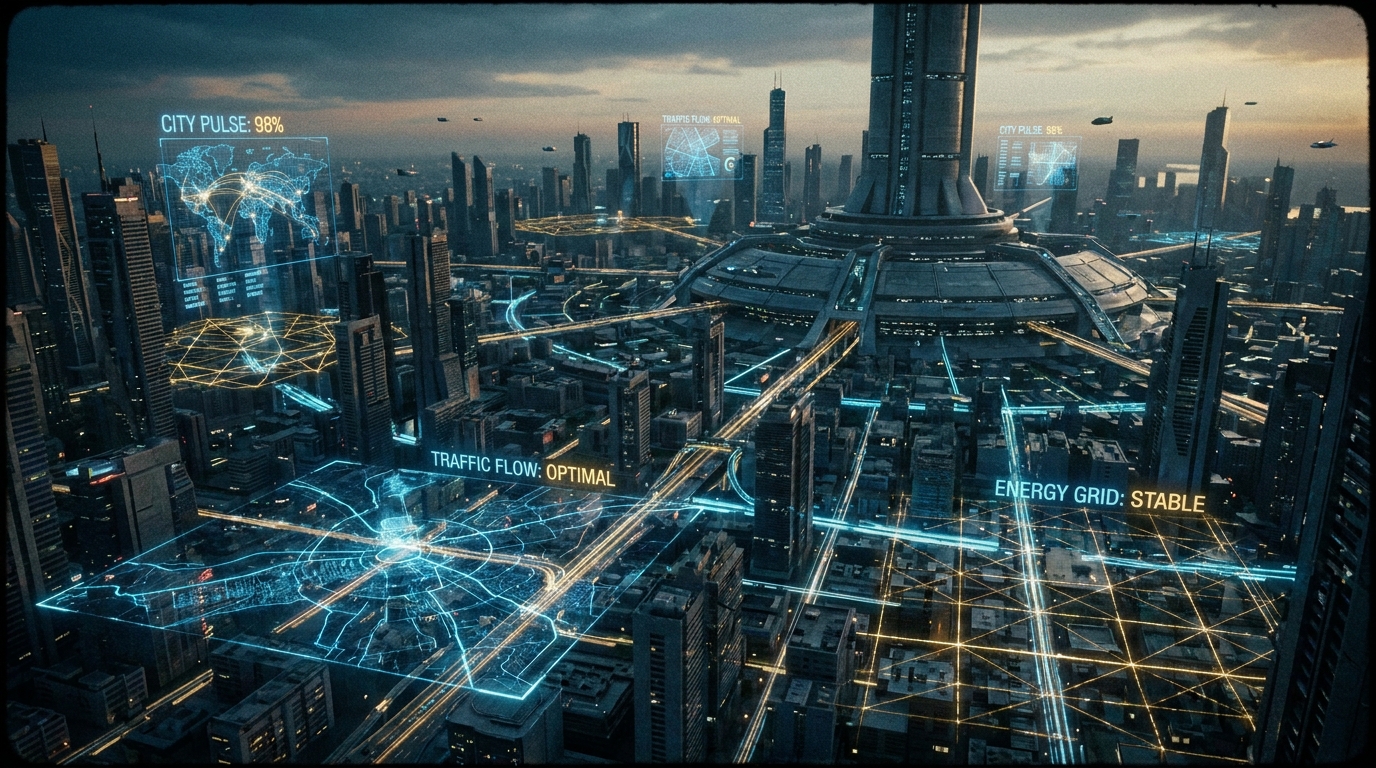
3D dashboards offer not just data but actionable visual insights. Built with AI-driven technologies, these tools merge real-time tracking with 3D visualization to provide:
- Dynamic route optimization: Traffic overlays, rider availability, and shortest paths visualized in 3D
- Restaurant capacity monitoring: A live heatmap shows peak hours and kitchen bottlenecks
- Predictive analytics: AI forecasts delays based on weather, traffic, and rider fatigue
Real Results: A Swiggy Case Study
Swiggy piloted 3D dashboards across Bengaluru and saw impressive results:
- Delivery times reduced by 27%, cutting average wait time from 32 minutes to 23 minutes.
- Rider efficiency improved, with 14% fewer dropouts during peak hours.
- Restaurant operations synced better, reducing error rates by 20%.
Why Indian Food Delivery Needs 3D Dashboards
India’s urban density makes food delivery logistics a unique challenge. Here’s why 3D dashboards fit seamlessly into this ecosystem:
- Traffic congestion: 3D maps provide live traffic overlays to preempt delays.
- Customer impatience: Visual ETAs reduce anxiety for customers tracking orders.
- Rider management: Dashboards enable real-time rider reallocation to avoid idle time.
How to Implement 3D Dashboards
Implementing 3D immersive dashboards doesn’t have to be daunting. Draftly simplifies the process:
- Integrate APIs: Sync traffic, weather, and restaurant systems.
- Customize visuals: Use Draftly’s Motion Pass Guide for smooth animations.
- Test scalability: Pilot dashboards in Tier-1 cities before expanding.
Benefits Beyond Logistics
The advantages of 3D dashboards extend beyond delivery optimization:
- Customer satisfaction: Improve app ratings with faster deliveries
- Operational cost savings: Reduce fuel and rider inefficiencies
- Competitive edge: Stand out in India’s crowded food delivery market


