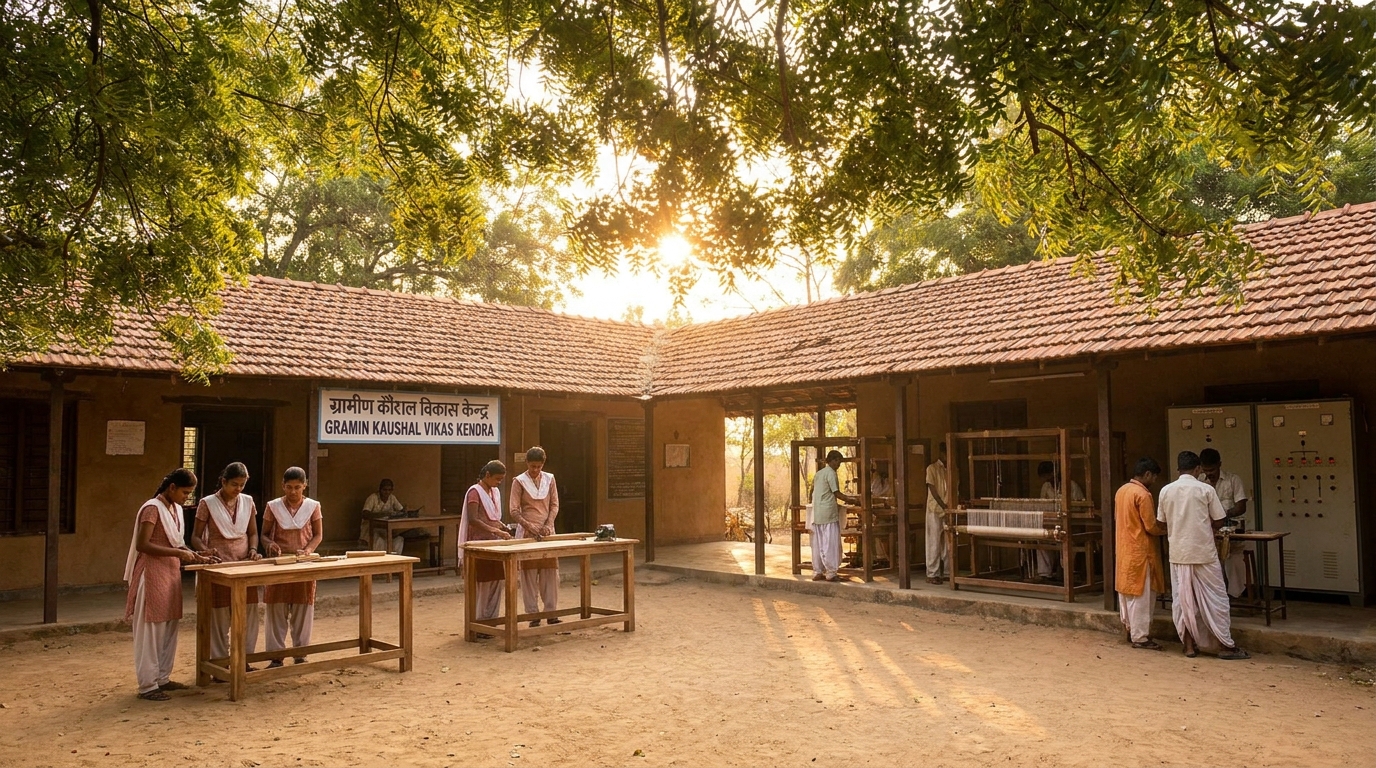
Why 3D Animated Knowledge Portals Enhance Learning for Indian Vocational Training Institutes
The education landscape for vocational training in India is undergoing a transformation. As industries demand hands-on skills and practical knowledge, traditional teaching methods fall short. Enter 3D animated knowledge portals—a revolutionary tool that combines immersive visuals with interactive learning to enhance student outcomes.
The Rise of 3D Learning in Vocational Training
Indian vocational training institutes cater to over 1.2 million students annually, focusing on skill-oriented disciplines like mechanics, IT, healthcare, and hospitality. However, many struggle with outdated teaching methods.
- Retention Challenges: Studies show learners retain 65% more information from interactive content compared to static materials.
- Engagement Boost: 3D portals increase engagement rates by up to 45%, making theoretical concepts easier to grasp.
- Practical Skill Application: Animated simulations enable students to practice real-world scenarios safely.
Key Features of 3D Knowledge Portals
What sets 3D portals apart from traditional e-learning platforms? Their ability to deliver cinematic, interactive experiences that cater to visual and kinesthetic learners.
Immersive Simulations
Vocational skills often require hands-on practice. A 3D portal can simulate real-world environments, like a workshop or medical lab, enabling safe experimentation.
- Real Equipment Training: Students can interact with virtual machines before operating physical ones.
- Error-Free Learning: Mistakes in a 3D simulation don’t carry real-world consequences.
- Scenario-Based Modules: For example, a hospitality course might use 3D scenes to simulate customer interactions.
Multilingual Support
India’s linguistic diversity demands localized learning. 3D portals can offer content in Hindi, Tamil, Bengali, and more, ensuring accessibility for all.
- Voice-Over Narrations: Explaining tasks in regional languages.
- Text Translations: Ensuring step-by-step guides are readable.
- Cultural Relevance: Customizing examples to match local industry practices.
Real-World Impact: Case Studies
Automotive Training Excellence
A vocational institute in Pune integrated a 3D animated portal for its automotive repair course. Key outcomes:
- 70% Higher Engagement: Students preferred interactive modules over textbooks.
- 50% Faster Skill Mastery: Simulations allowed trainees to practice assembly and repairs virtually.
- Reduced Costs: Fewer physical materials were consumed during training.
Healthcare Training Transformation
A healthcare training program in Chennai adopted 3D animation for CPR certification. The portal included:
- Step-by-Step Visuals: Animated demonstrations of CPR techniques.
- Real-Time Feedback: Immediate correction of mistakes in virtual practice.
- Certification Tracking: Automated progress dashboards.
Benefits for Indian Institutes
Institutes adopting 3D animated knowledge portals gain a competitive edge:
- Higher Enrollment Rates: Parents and students prefer institutes with modern tech.
- Industry Partnerships: Employers value graduates trained on cutting-edge platforms.
- Scalability: Online 3D modules can accommodate thousands of students remotely.
Addressing Challenges
- Cost Concerns: While initial setup costs for 3D portals are high, long-term savings from reduced material usage and improved outcomes justify the investment.
- Internet Accessibility: Optimized 3D graphics ensure smooth performance, even in rural areas.


