How Local Furniture Brands in Tier-2 Indian Cities Can Benefit from 3D Product Pages
Local furniture brands in tier-2 Indian cities often face challenges like limited visibility, high competition, and customer trust issues. 3D product pages are emerging as a game-changer, helping these businesses showcase their craftsmanship, enhance customer experience, and boost sales. Let’s explore how this technology empowers local brands to compete on a national and global scale.
Why 3D Product Pages Matter for Furniture Retailers
Enhanced Visual Experience
In a market where 88% of online shoppers prioritize product visuals before making a purchase, 3D product pages provide a lifelike shopping experience. Instead of relying on static images, customers can interact with 3D models to view products from every angle. This technology bridges the gap between online browsing and in-store shopping.
!how local furniture brands in tier2 indian cities can benefit from 3d product pages, india
- 360-degree views help buyers inspect every detail of a product.
- Realistic textures and lighting replicate the in-store experience.
- Customers can visualize how furniture fits in their space, reducing hesitation.
Reducing E-Commerce Returns with 3D Technology
One of the biggest challenges for furniture retailers is managing high return rates, which can reach up to 20% in e-commerce. Most returns occur due to mismatched expectations regarding size, color, or material. 3D product pages can reduce these returns by up to 40% by offering better product transparency.
- Accurate dimensions and scaling ensure customers know exactly what they’re buying.
- Color and material customization lets buyers see different finishes in real time.
- Augmented reality (AR) integration allows customers to visualize furniture in their own homes.
Leveling the Playing Field Against Big Brands
Competing with national and international furniture giants like Pepperfry and Urban Ladder is no easy feat for smaller brands in cities like Jaipur, Ludhiana, and Coimbatore. However, 3D product pages can create unique value propositions that help local brands stand out.
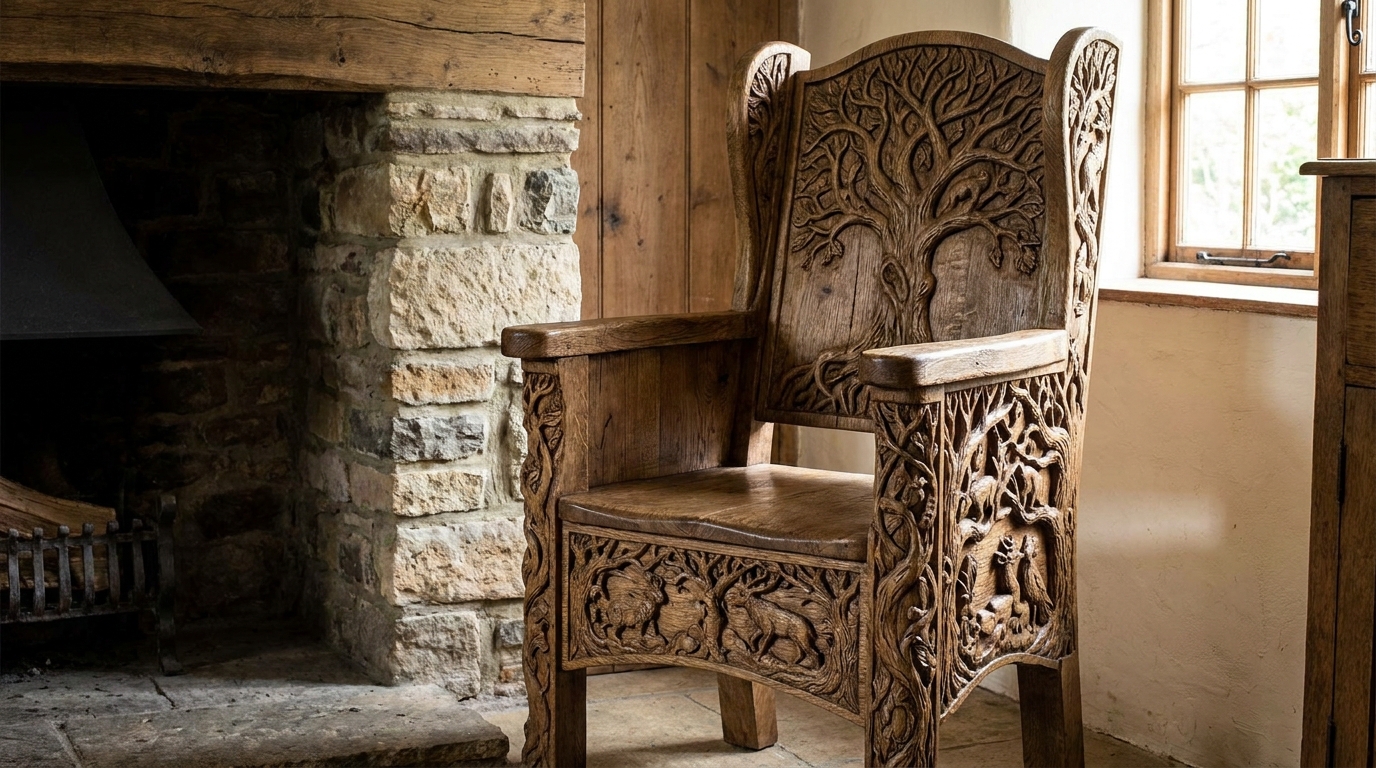
- Showcase custom craftsmanship that big brands can’t replicate.
- Offer personalization options (e.g., fabric, color, size) directly on the website.
- Use 3D configurators to demonstrate versatility and uniqueness, much like Indian fashion brands use 3D product configurators.
Affordable Solutions for Tier-2 Cities
The cost of adopting advanced technology has often been a barrier for smaller businesses. However, AI-driven platforms like Draftly make it possible to create cinematic 3D websites at a fraction of the cost of traditional development.
Key Benefits of Draftly’s AI-Powered 3D Tools
- Speed: Build a 3D product page in minutes with just a single prompt.
- Cost-Effectiveness: Save up to 80% on web design costs, as seen in AI-first companies cutting website costs.
- User-Friendly Interface: No coding skills required; perfect for local business owners.
How to Get Started with 3D Product Pages
Here’s how furniture brands in tier-2 Indian cities can begin their 3D journey:
- Identify Key Products: Start with your most popular or customizable items.
- Choose the Right Platform: Use AI-driven tools like Draftly’s 3D builder for an affordable and effective solution.
- Incorporate AR Features: Enable customers to visualize products in their own homes.
- Optimize for Mobile: Ensure your 3D pages load quickly on mobile devices by following these mobile-first SEO practices.
- Monitor Performance: Use analytics to track engagement and refine your strategy. Draftly’s SEO and analytics tools make this easy.