Textile Manufacturer Website India: A Guide to Winning B2B and D2C Clients
The Indian textile industry is a global powerhouse, valued at over $223 billion. Yet, a significant portion of this value remains locked away from manufacturers who are digitally invisible. An outdated or non-existent website is no longer a minor oversight; it's a direct leak in your revenue pipeline, costing you both large-scale B2B contracts and the explosive growth of direct-to-consumer (D2C) sales. A modern textile manufacturer website in India is not a digital brochure—it’s a 24/7 sales engine designed to attract, convince, and convert global buyers and local consumers alike.
This guide breaks down the dual-strategy approach required to build a website that serves two very different, yet equally valuable, audiences. We'll cover the specific features that B2B importers demand and the immersive experiences that D2C customers expect.
The Real Cost of an Outdated Digital Presence
Many manufacturers believe their reputation and existing relationships are enough. But the sourcing landscape has fundamentally changed. Today, digital presence dictates discovery and trust.
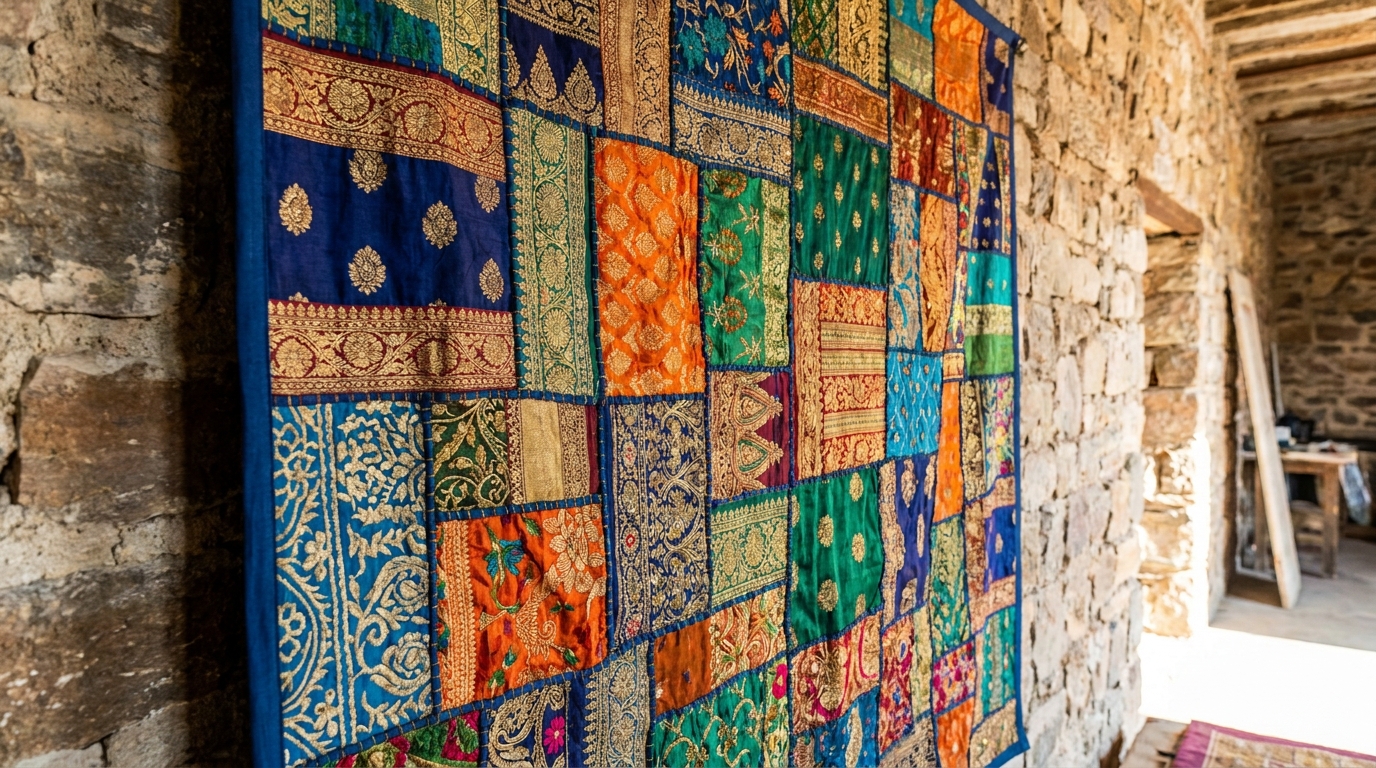
!textile manufacturer website india b2b d2c guide, india
* The B2B Research Shift: Nearly 75% of B2B buyers now conduct the majority of their supplier research online before ever making contact. If your site doesn't provide the information they need in the first 60 seconds, they will find a competitor who does.
* The Global Visibility Gap: Buyers in Europe and North America aren't visiting trade shows in Tiruppur or Ludhiana as frequently. They are searching Google for “GOTS certified cotton supplier India.” Without a strong online presence, you don't exist in their world.
* The Missed D2C Margin: India's D2C market is on track to exceed $100 billion by 2025. By selling directly to consumers, boutique owners, or designers, manufacturers can capture margins that are 2x-3x higher than traditional wholesale models.
* The Credibility Crisis: A poorly designed, slow, or broken website signals operational inefficiency. It creates doubt about your ability to handle a complex export order or deliver a quality product on time.
A Dual-Strategy Website: Serving Two Masters
A successful textile website must cater to two distinct mindsets. The B2B buyer is driven by logic, specifications, and scale. The D2C customer is driven by emotion, story, and aesthetics. Your website needs to guide each visitor to the information they need, seamlessly.
For Your B2B Buyers (Importers, Brands, Wholesalers)
Your B2B portal should be a model of efficiency and trust. The goal is to answer every technical question and build confidence in your production capabilities.
- The Digital Catalogue: This is the core of your B2B section. Don't just list fabrics. Provide detailed specification sheets for each product: GSM, composition, weave type, width, and available colorways. High-resolution photos and close-up videos showing fabric drape are non-negotiable. This is the foundation of a great manufacturing company website in India.
- Certifications & Compliance: Prominently display your credentials. Logos for GOTS, OEKO-TEX, ISO, and any other relevant certifications should be easily accessible. This is a powerful trust signal for international buyers.
- Process & Capacity Showcase: Give a virtual tour of your operations. Detail your machinery, production capacity (e.g., 50,000 meters/month), and quality control processes. This demonstrates your ability to handle large orders.
- Effortless Lead Capture: Your primary call-to-action should be a simple, clear form to “Request a Quote” or “Submit a Bulk Inquiry.” Keep the form short, asking only for essential information.
For Your D2C Customers (Designers, Consumers)
Your D2C storefront is your brand's story. It’s about inspiration and turning a raw material into a desirable product.
- Immersive Storytelling: Talk about your heritage. Are you a third-generation weaver from Kanchipuram? Do you use sustainable dyes? This narrative transforms your fabric from a commodity into a piece of art.
- True-to-Life Visuals: Static images can't capture the true texture of a fabric. This is where 3D visualization becomes a competitive advantage. Showing how a fabric drapes, folds, and reflects light helps customers make confident decisions. Immersive visuals are proven to reduce e-commerce returns by up to 40%, a critical metric for fabric sales.
- Simple E-commerce Functionality: The path to purchase must be frictionless. Offer clear pricing per meter, a simple shopping cart, and integration with popular Indian payment gateways. This is the first step to building a fashion brand instead of just selling fabric.
- Inspiration Hub: Create lookbooks, blog posts, or video tutorials showing what can be created with your textiles. This helps customers visualize the end product and encourages them to buy.
Building Your Modern Textile Website
To execute this dual strategy, your website needs a specific set of modern features that go beyond a basic template.
* High-Fidelity Visuals: Standard product photos are not enough. Invest in 3D models, video swatches, and high-resolution zoom capabilities to let customers inspect the weave and texture up close.
* Clear Navigation Paths: The moment a visitor lands on your homepage, they should see two clear options: “For Business / Wholesale” and “Shop Retail.” This segmentation prevents confusion and directs traffic efficiently.
* Mobile-First Performance: Over 75% of your website traffic in India, both B2B and D2C, will come from a mobile device. Your site must load quickly and be perfectly responsive on all screen sizes.
* Targeted SEO: A robust SEO strategy ensures you're found by buyers searching for specific terms. This means optimizing pages for keywords like “organic linen fabric manufacturer Erode” or “buy block print cotton online Jaipur.”
* International-Ready Features: If you export, your site must cater to a global audience. An effective export business website in India includes features like a currency converter, detailed international shipping information, and a clear contact page with your IEC and other export credentials.
The traditional route of hiring an agency to build a site with these features can take months and cost lakhs. AI-powered platforms change this equation. With Draftly, you can generate a cinematic, feature-rich website from a single prompt.
Imagine typing: “Create a website for a premium silk textile manufacturer in Varanasi, India. It needs a B2B portal for international buyers with a catalog and inquiry form, and a D2C e-commerce store for designers. The style should be luxurious and highlight our traditional weaving process.”
The AI generates the entire structure, cinematic hero sections, and initial copy, which you can then customize with your product details and brand story in a matter of hours, not months.
Your textiles represent a rich heritage of Indian craftsmanship. It's time your website did, too. Don't let an outdated digital presence hold back your growth. The tools are now available to build a world-class site that honors your craft and opens up new global markets.
Ready to weave your digital future? Turn a simple prompt into a world-class textile website with Draftly.