The Indian printing industry, a sector valued at over ₹2.5 lakh crore, is a powerhouse of production. Yet, a significant portion of its B2B operations still runs on a legacy system of phone calls, ambiguous emails, and manual quotations. This operational friction is a major bottleneck, leading to an estimated 15-20% loss in efficiency on custom jobs. A modern printing press website India needs to be more than a digital business card; it must be a powerful engine for lead generation, quotation management, and direct sales.
For B2B clients—the lifeblood of most presses—the procurement process has changed. Over 70% of corporate buyers in India now conduct the majority of their supplier research online before ever speaking to a sales representative. If your press is not digitally accessible with a clear system for inquiries, you are invisible to this massive, growing segment of the market.
Why Your Current Website (Or Lack Thereof) Is Costing You Money
Many printing presses have a basic website, but it often functions as a static, online brochure. It lists services and a phone number, but places the entire burden of inquiry on the client. This outdated approach creates several critical business challenges:
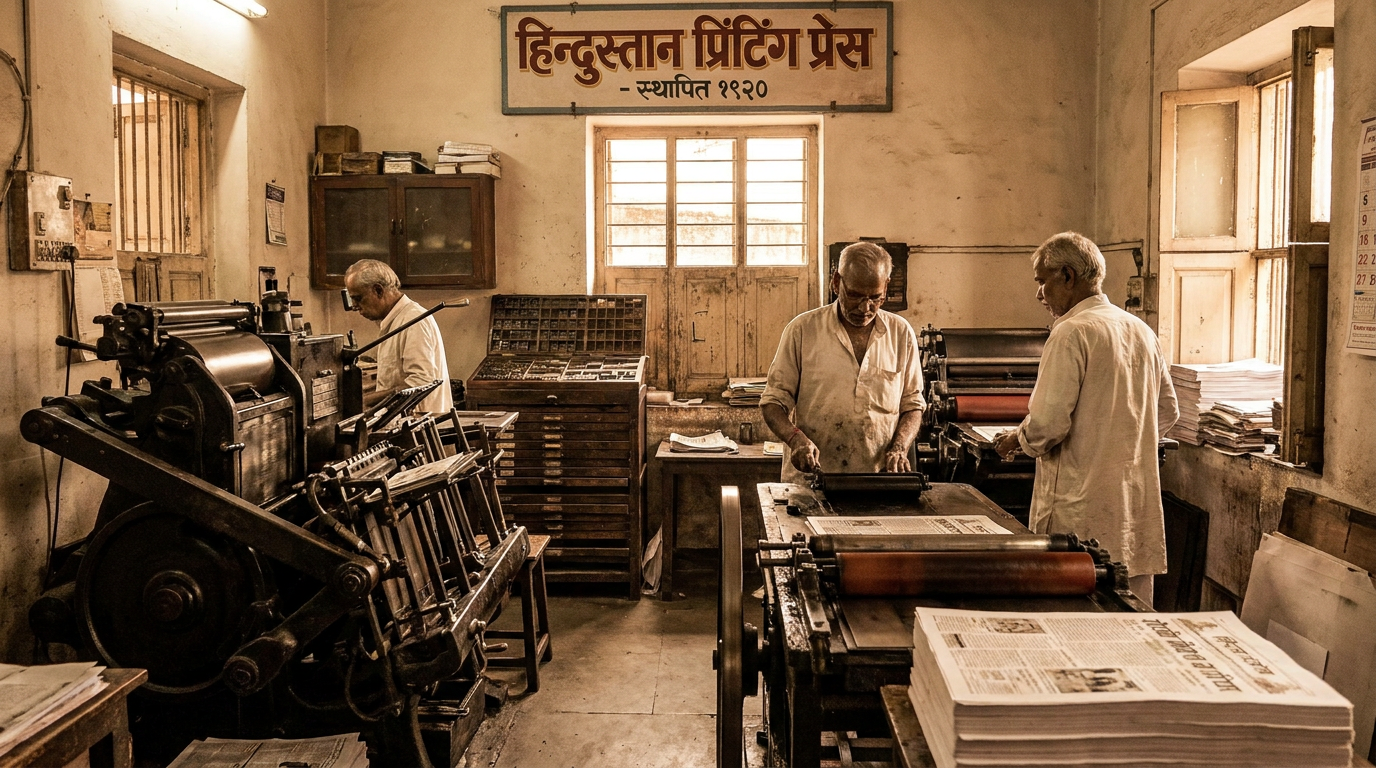
!printing press website india b2b quotations online orders, india
* Repetitive Quoting: Your team spends hours answering the same basic questions for quotes—paper type, GSM, quantity, finish—when a smart form could capture this data instantly.
* Manual Errors: Transcribing specifications from an email or phone call into a job sheet is prone to human error, leading to costly reprints and dissatisfied clients.
* Limited Market Reach: Relying on local references and word-of-mouth restricts your business to a limited geographic area, while competitors with strong online presences are winning clients from across the country.
* Inability to Showcase Quality: A simple website fails to convey the precision of your Heidelberg offset machine or the vibrancy of your digital press. B2B clients need to see proof of quality before they trust you with a 50,000-unit print run.
Building a B2B Quotation System That Works for You
A B2B quotation system is the heart of a professional printing website. Unlike a standard e-commerce transaction, B2B print jobs are complex and variable. Your website needs a system that simplifies this complexity for the client while capturing every necessary detail for you.
Essential Components of a Print Quotation Form
Your quote form must be detailed and intuitive. It is the digital replacement for your physical job card. Here’s what it should include:
- Product Selection: A dropdown menu for common products (e.g., Brochures, Standees, Packaging Boxes, Books).
- Detailed Specifications: Dynamic fields that change based on the product. For a brochure, this would include:
- File Upload: A mandatory field for clients to upload their artwork (CDR, AI, PDF).
- Client Information: Fields for Name, Company Name, Email, Phone Number, and GSTIN to qualify the lead properly.
Implementing Online Orders for Standardised Products
While custom jobs require quotes, a significant portion of print revenue comes from standardised products. Business cards, letterheads, envelopes, and standard-size flyers don't need a custom quote for every order. This is where a direct online ordering system comes in.
Setting up an e-commerce wing on your website allows you to capture the high-volume, low-touch market. This hybrid model is a core strategy for any successful printing and packaging business website India.
How to Structure Your Print E-Commerce Section
* Create Product Pages: Dedicate a page for each standard item (e.g., "500 Premium Business Cards").
* Use Clear Pricing Tiers: Offer dropdowns for quantity that automatically update the price. For example: 100 cards for ₹250, 500 for ₹700, 1000 for ₹1000.
* Visualise the Product: Use high-quality mockups. A 3D website built with Draftly can showcase the texture of the paper and the finish of the lamination, making a simple product feel premium.
* Integrate a Payment Gateway: Allow clients to pay directly online using UPI, credit/debit cards, or net banking. This confirms the order instantly and improves your cash flow.
This system frees up your expert staff to focus on the high-value, complex B2B quotes, while the website handles the routine orders automatically.
Essential Features Every Printing Press Website Needs
Beyond the quotation and ordering systems, your website must build trust and showcase your capabilities. This is especially true when targeting corporate clients, who value reliability and infrastructure.
Showcase Your Machinery and Infrastructure
Your machines are your biggest asset. Dedicate a section of your website to them. High-resolution photos and videos of your presses in action build immense credibility. Mention the brands (Heidelberg, Komori, Roland) and their capabilities. This is a powerful trust signal for any manufacturing company website India and demonstrates you have the capacity for large, quality-sensitive jobs.
A Detailed Portfolio of Work
A gallery of past projects is non-negotiable. Don't just dump all images together. Categorise them by:
* Product Type: Brochures, Catalogues, Boxes, Labels.
* Industry Served: Pharmaceuticals, Real Estate, Education, FMCG.
A potential client from the pharmaceutical industry will be much more confident seeing your past work on medicine boxes and visual aids.
Client Logos and Testimonials
Displaying the logos of your existing clients is a powerful form of social proof. A one-line testimonial from a procurement manager at a well-known company can be more effective than pages of self-praise.
The shift to digital procurement is permanent. A printing press that embraces this with a strategic, functional website will not only become more efficient but will also capture a larger share of the profitable B2B market in India.
Ready to build a printing press website that automates quotes and wins B2B clients? Turn a single prompt into a cinematic website with Draftly.