Food Delivery Website India: Build Your Own vs. Third-Party Platforms
India's food delivery market is booming, projected to reach an impressive $26 billion by 2028, growing at an annual rate of 20-25%. For any restaurant, cloud kitchen, or home-based food business, establishing a robust online presence is no longer optional—it's essential. The critical decision often boils down to two main strategies: building your own dedicated food delivery website in India or relying heavily on established third-party platforms like Swiggy and Zomato.
This choice impacts everything from your brand identity and customer relationships to profit margins and long-term scalability. Understanding the nuances of each approach is key to carving out a sustainable niche in this competitive landscape.
The Landscape of Food Delivery in India
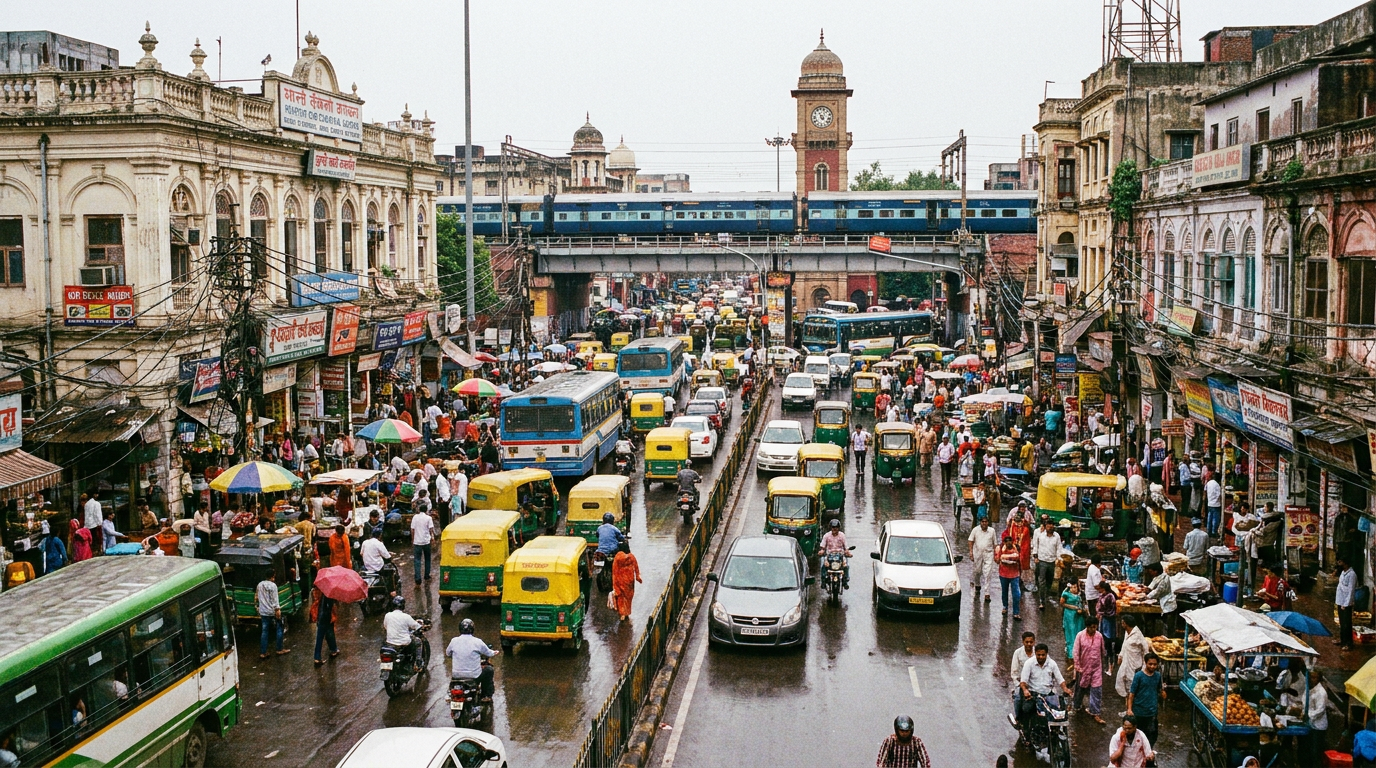
The Indian consumer's appetite for convenience has fueled exponential growth in online food ordering. From bustling metro cities to emerging Tier 2 and 3 markets, digital ordering has become a norm. This shift is driven by smartphone penetration, affordable data, and aggressive marketing by aggregators. However, while third-party platforms offer immediate access to this vast customer base, they come with their own set of challenges that can hinder a business's growth and profitability.
!food delivery website india build your own vs thirdparty platforms, india
Option 1: Leveraging Third-Party Food Delivery Platforms
Platforms like Swiggy and Zomato have revolutionized food delivery in India, offering restaurants an instant digital storefront and a wide customer reach. Many businesses start here, and for good reason.
Pros of Third-Party Platforms
* Instant Reach & Customer Base: You tap into millions of active users without any upfront marketing effort. Swiggy and Zomato collectively hold over 90% of the market share, providing unparalleled visibility.
* Lower Upfront Cost: Setting up on these platforms is relatively quick and inexpensive, often requiring just a registration fee or a small initial investment compared to building a custom website.
* Logistics Handled: They manage the entire delivery fleet, saving you the headache and capital expenditure of hiring riders, maintaining vehicles, and optimizing routes.
* Marketing & Promotions: These platforms invest heavily in advertising, bringing customers directly to your virtual doorstep. They also offer in-app promotional tools to boost visibility.
Cons of Third-Party Platforms
* High Commissions: This is often the biggest pain point. Commissions typically range from 20% to 30% per order, sometimes even higher for smaller restaurants or during peak demand. This significantly eats into your profit margins.
* Lack of Brand Control: Your restaurant is one among thousands on their platform. Branding is minimal, and the customer's loyalty is often to the platform, not your business. You're essentially a vendor in their marketplace.
* Limited Customer Data: You get very little direct insight into your customers' preferences, order history, or contact details. This data is invaluable for personalized marketing and building loyalty, but it remains proprietary to the platform.
* Intense Competition: With so many restaurants listed, standing out requires constant effort and often paid promotions, further eroding margins.
* Dependency: You are at the mercy of their policies, algorithms, and pricing changes. A change in commission structure or search ranking can severely impact your business overnight.
Option 2: Building Your Own Food Delivery Website in India
Creating a dedicated online presence gives you complete autonomy and the potential for greater long-term profitability. While it requires more initial effort, the strategic advantages are substantial.
Pros of a Custom Food Delivery Website
* Full Brand Control: Your website is an extension of your brand. You control the design, user experience, messaging, and overall customer journey. This allows for a unique and memorable experience, fostering direct brand loyalty.
* Zero Commissions (on your own orders): You keep 100% of the revenue from orders placed directly through your site, significantly improving your profit margins in the long run.
* Direct Customer Relationships: You own the customer data. This allows you to understand preferences, offer personalized promotions, run loyalty programs, and build a direct communication channel. Collecting leads through a dedicated platform is much easier. Learn How to Add a Contact Form and Capture Leads in Draftly.
* Custom Features & Flexibility: Implement unique features like subscription models, advanced customization options, special offers, or integrated feedback systems that aren't possible on third-party platforms.
* Scalability: You can expand your delivery zones, add new menu items, or integrate with new technologies without external limitations.
Cons of a Custom Food Delivery Website
* Higher Upfront Investment: Designing, developing, and launching a custom website requires an initial financial outlay. However, modern AI website builders like Draftly significantly reduce this cost and time.
* Marketing Burden: You are responsible for driving traffic to your site. This involves SEO, social media marketing, paid ads, and offline promotions. This is where a strong Digital Marketing Agency Website India: Sell Results, Not Services can become a valuable partner.
* Logistics Management: You need to manage your own delivery fleet or partner with a local logistics provider. This involves hiring, training, vehicle maintenance, and route optimization.
* Technical Complexity: While AI builders simplify the process, managing a website still requires some technical understanding for updates, security, and maintenance.
* Payment Gateway Integration: You'll need to set up and manage your own payment gateway. This is a crucial step, and you can find guidance on Integrating Indian Payment Gateways: Your Website's Essential Guide.
Key Considerations for Your Food Delivery Website Strategy
When deciding, evaluate these factors carefully:
1. Cost Comparison: Short-Term vs. Long-Term
Third-party platforms appear cheaper upfront due to minimal setup costs. However, their high commissions can quickly accumulate, making them significantly more expensive in the long run. A custom website, while having a higher initial investment, offers a much better ROI over time by eliminating recurring commission fees.
2. Brand Building & Customer Loyalty
If your goal is to build a strong, recognizable brand and foster direct customer relationships, a custom website is indispensable. It allows you to create a unique online experience that resonates with your target audience, unlike the uniform interfaces of aggregators. For cloud kitchens, especially, a distinct brand identity is crucial. Consider reading our guide on Cloud Kitchen and Delivery Restaurant Website India.
3. Customer Data Ownership
Data is the new oil. Owning customer data allows for targeted marketing campaigns, personalized offers, and a deeper understanding of purchasing patterns. This insight is critical for strategic growth and improving customer lifetime value.
4. Operational Control
From menu updates to delivery radius, a custom site gives you complete control. You can react quickly to market changes, introduce seasonal specials, or adjust pricing without external delays or approvals.
5. Scalability and Future Growth
As your business grows, a custom platform can scale with you. You can integrate advanced analytics, CRM systems, loyalty programs, or even expand into new service areas with greater ease and control than on a third-party platform.
The Hybrid Approach: Best of Both Worlds?
Many successful food businesses in India adopt a hybrid strategy:
* Initial Traction: Use third-party platforms to gain initial visibility, build brand awareness, and acquire early customers. This can be a cost-effective way to test the market and generate initial orders.
* Direct Migration/Complement: Simultaneously, build your own food delivery website. Actively encourage repeat customers to order directly through your platform using incentives like discounts or loyalty points. This slowly shifts your customer base to your own channel.
* Discovery vs. Loyalty: Leverage aggregators for customer discovery (new customers searching for food) and your own website for customer loyalty (repeat orders from existing, satisfied customers).
This approach allows you to benefit from the broad reach of aggregators while progressively building your independent, profitable channel.
How Draftly Simplifies Building a Food Delivery Website in India
For businesses looking to build their own powerful, branded online presence without the high costs or technical hurdles of traditional web development, AI website builders like Draftly offer a compelling solution.
Draftly allows you to generate a cinematic, scroll-driven food delivery website from a single prompt. Imagine a stunning 3D menu experience that captures your cuisine's essence. You can easily integrate:
* Online Ordering Systems: Seamlessly add menu items, pricing, and order management features.
* Secure Payment Gateways: Connect with Indian payment solutions for smooth transactions.
* Lead Capture Forms: Collect customer details for direct marketing and loyalty programs.
* Visual Storytelling: Use immersive 3D elements and scroll animations to showcase your dishes and restaurant ambiance, creating a memorable user experience that stands out. This builds on the principles of Building a Restaurant Website That Fills Tables in India.
With Draftly, you get full control over your brand, design, and customer data, all while benefiting from a rapid, AI-powered build process that's optimized for performance and visual appeal. It’s a powerful tool for Setting Up an Ecommerce Website for the Indian Market: A Complete Guide, tailored for the food industry.
Conclusion: Strategic Choices for Sustainable Growth
The decision between building your own food delivery website in India and relying on third-party platforms is a strategic one, with significant implications for your business's future. While aggregators offer immediate access and convenience, they come at the cost of high commissions, limited brand control, and lack of customer data. A dedicated website, especially one built efficiently with an AI platform like Draftly, empowers you with full autonomy, better margins, and the ability to cultivate lasting customer relationships.
For sustainable growth and true brand ownership in India's competitive food delivery market, investing in your own digital storefront is not just an option—it's a necessity.
Ready to take control of your food delivery business's online presence? Build your cinematic food delivery website with Draftly today.