The Indian Direct-to-Consumer (D2C) market is on a trajectory to exceed $100 billion by 2025. Yet, many promising brands remain trapped on marketplaces like Amazon and Flipkart, sacrificing 15-30% of their revenue in commissions and, more importantly, losing control over their brand narrative and customer data. Building your own D2C brand website isn't just about creating another sales channel; it's about building a digital asset that drives profitable, sustainable growth.
This guide breaks down the non-negotiable elements for creating a D2C website that thrives in the competitive Indian market. We'll move beyond generic advice and focus on what actually converts browsers into loyal customers.
Why Your D2C Brand Needs Its Own Website
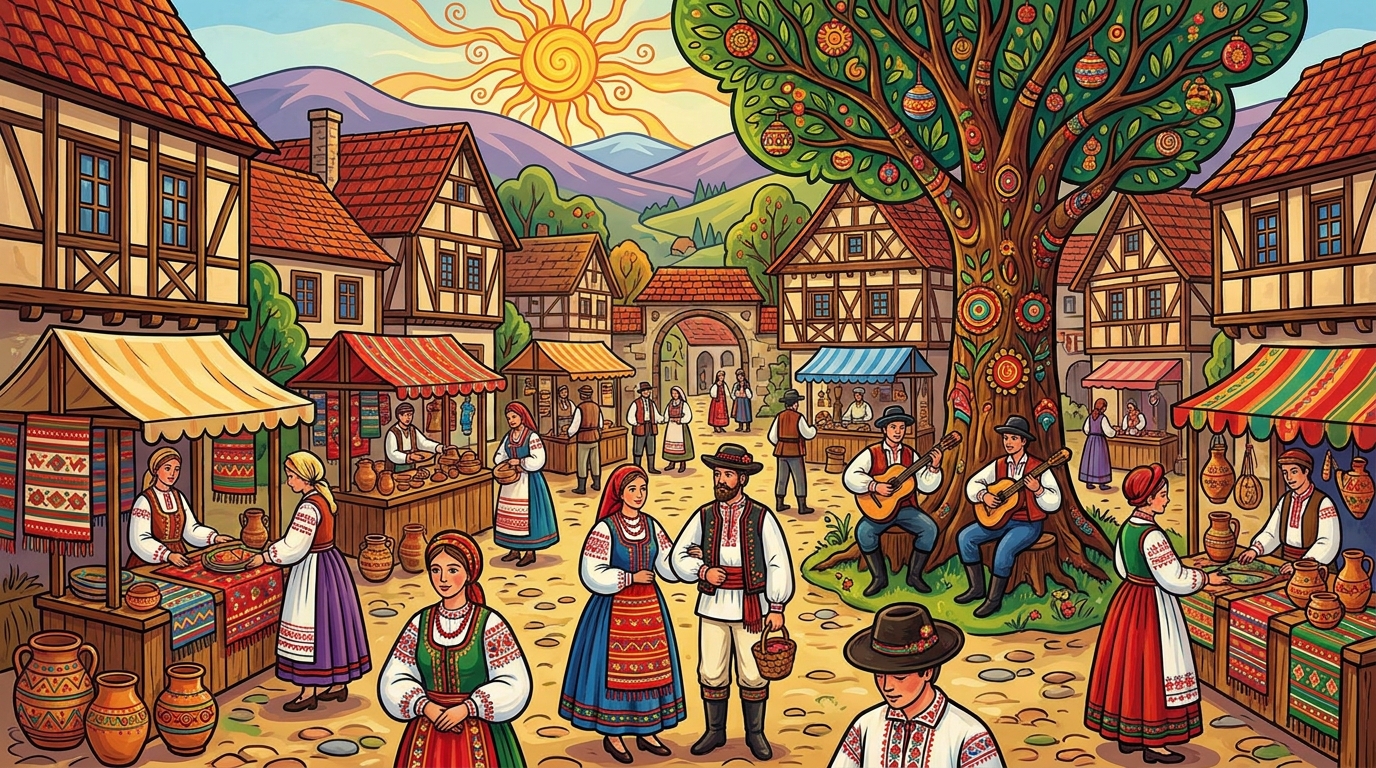
Selling on a marketplace is like renting a stall in a crowded mela. You get footfall, but you're surrounded by competitors, bound by the landlord's rules, and you never truly know who your customers are. Your own website is your flagship store on a digital high street.
!d2c brand website guide for indian businesses, india
* Own Your Customer: You get direct access to customer data—emails, phone numbers, and buying habits. This is gold for retargeting, loyalty programs, and building a community.
* Higher Profit Margins: Without marketplace commissions, seller fees, and promotional charges, the math is simple. A sale on your own site is significantly more profitable.
* Control the Brand Experience: From the moment a user lands on your site, you control the story. You can use cinematic visuals, compelling copy, and an immersive layout to communicate your brand's unique value, something impossible to do on a generic product listing.
* Build Long-Term Value: A website with strong SEO, a loyal customer base, and a recognisable brand is a tangible asset. It increases the valuation of your business far more than a seller account ever could.
The Anatomy of a High-Converting D2C Website in India
A successful D2C site is more than just a product catalogue and a checkout button. It’s an engine for growth, engineered with the Indian consumer in mind.
1. A Flawless, Mobile-First Foundation
With over 800 million smartphone users, India is a mobile-first nation. For D2C brands, this is not a suggestion; it's a mandate. Over 85% of e-commerce traffic and 70% of sales now happen on mobile devices. Your website must provide a seamless, thumb-friendly experience. This means large, clickable buttons, easily readable text, and a navigation structure that makes sense on a 6-inch screen. Prioritising a Mobile-First Web Design in 2026 is the single most important technical decision you'll make.
2. Immersive and Persuasive Product Pages
Your product page does the job of a physical store's salesperson. It must answer every question and overcome every objection before the customer even thinks of it.
* High-Quality Visuals: Multiple high-resolution images from every angle are the bare minimum. Lifestyle shots showing the product in use are even better.
* 3D and AR Experiences: For products like furniture, fashion, or electronics, 3D models are a game-changer. They allow customers to see the product in their own space, which is why Why 3D Product Pages Reduce E-commerce Returns by Up to 40%. This single feature builds immense purchase confidence.
* Detailed, Scannable Copy: Use a mix of benefit-driven paragraphs and bullet points for specifications. Answer questions like: What is it made of? What are the dimensions? How do I care for it?
* Clear Social Proof: Feature customer ratings and reviews prominently. A study by BrightLocal found that 89% of consumers are 'highly' or 'fairly' likely to use a business that responds to all of its online reviews.
3. A Frictionless, Localised Checkout
The checkout is where most D2C sites fail. A complicated or untrustworthy process is the #1 reason for cart abandonment, which hovers around 70% in India.
Your checkout must include:
* Multiple Payment Options: UPI is non-negotiable. Beyond that, offer credit/debit cards, major wallets (Paytm, PhonePe, GPay), and Net Banking.
* Cash on Delivery (COD): While its share is declining, COD still accounts for over 50% of e-commerce transactions in Tier 2 and Tier 3 cities. Not offering it means leaving a huge chunk of the market untapped.
* Transparent Pricing: Clearly display all costs, including shipping and taxes, upfront. Unexpected costs are a primary driver of abandoned carts.
* Guest Checkout: Forcing users to create an account is a major point of friction. Always offer a guest checkout option.
4. Conversational Commerce Integration
Indian consumers love to chat before they buy. It’s a cultural norm that translates directly to e-commerce. Integrating a live chat or WhatsApp button can increase conversion rates by 10-15%.
WhatsApp is the king of communication in India. How to Add a WhatsApp Chat Widget to Your Draftly Website allows you to handle pre-sales queries, offer support, and even send order updates, creating a personal, high-touch experience that marketplaces can't replicate.
Essential Tech Stack for Indian D2C Brands
Building a powerful D2C website no longer requires a massive in-house tech team. The modern stack is about agility and integration.
* Website Platform: Instead of spending months on custom code, AI website builders like Draftly can generate a cinematic, conversion-optimised website from a single prompt. This allows you to launch in days, not months, and focus your resources on marketing and product.
* Logistics & Shipping: Partner with a logistics aggregator like Shiprocket, Shyplite, or Pickrr. They integrate with your website to provide access to multiple courier services (Delhivery, Blue Dart, Xpressbees), automate order fulfillment, and offer better shipping rates.
* Analytics: Install Google Analytics 4 and a heatmap tool like Microsoft Clarity from day one. This will show you exactly how users are interacting with your site, where they're getting stuck, and what's working.
Marketing: Driving Traffic to Your New D2C Website
Launching your website is just the beginning. Now you need to get people to visit it.
* Performance Marketing: Use Meta (Facebook & Instagram) Ads and Google Ads to target specific demographics and interests. Start with a small budget to test what works and scale up your winning campaigns.
* Search Engine Optimisation (SEO): This is your long-term strategy for free, high-intent traffic. Optimise your product and category pages for relevant keywords. A strong strategy for E-Commerce SEO India: Rank Your Product Pages on Google is crucial for being discovered by customers actively searching for what you sell.
* Content & Community Building: Use a blog and social media to share valuable content related to your niche. For a skincare brand, this could be articles on skincare routines. For a coffee brand, it could be brewing guides. This builds authority and a loyal following that buys from you because they trust you.
Building a D2C brand in India is a marathon, not a sprint. Your website is your home ground—the one place where you set the rules, own the experience, and build a direct, lasting relationship with your customers.
Ready to build a D2C website that turns your prompt into profit? Create your cinematic 3D website with Draftly today.