The Indian fashion industry, a vibrant tapestry of tradition and contemporary design, is experiencing a profound digital transformation. For a designer, a website is no longer merely an online brochure; it's a critical sales channel, a brand narrative platform, and a direct conduit to the global market. The challenge lies in harmonising the artistic showcase of a portfolio with the transactional efficiency of an e-commerce store. A disjointed online presence, where inspiration is found on one site and purchases are made on another, creates friction and diminishes brand impact. The solution is an integrated platform, allowing Indian fashion designers to transition customers seamlessly from admiring designs to making a purchase, all within a single, cohesive digital experience.
!indian fashion designer websites portfolio purchase in one, india
The Dual Imperative: Portfolio Meets E-commerce
Historically, fashion designers maintained separate websites: one for their portfolio to attract buyers, media, and collaborators, and another for retail sales. This approach, while functional, often resulted in a fragmented brand identity and a cumbersome user journey. As India's e-commerce market rapidly expands, projected to reach $160 billion by 2026, consumer expectations for seamless online shopping have intensified. Customers seek instant gratification, expecting to purchase an item the moment it captures their interest. A portfolio-only site, no matter how visually stunning, fails to capitalise on this immediate purchase intent.
Integrating portfolio and e-commerce functionality onto a single platform addresses this imperative directly. It allows designers to present their collections, tell their brand story, and facilitate transactions without redirecting users. This unified approach not only enhances the customer experience but also provides significant operational advantages, centralising data, marketing efforts, and inventory management.
Crafting a Visually Rich and Transactionally Robust Platform
Building an effective Indian fashion designer website requires a strategic blend of aesthetic appeal and robust functionality. The design must reflect the brand's unique identity, while the underlying technology must support a smooth, secure shopping experience.
#### 1. Immersive Visual Storytelling
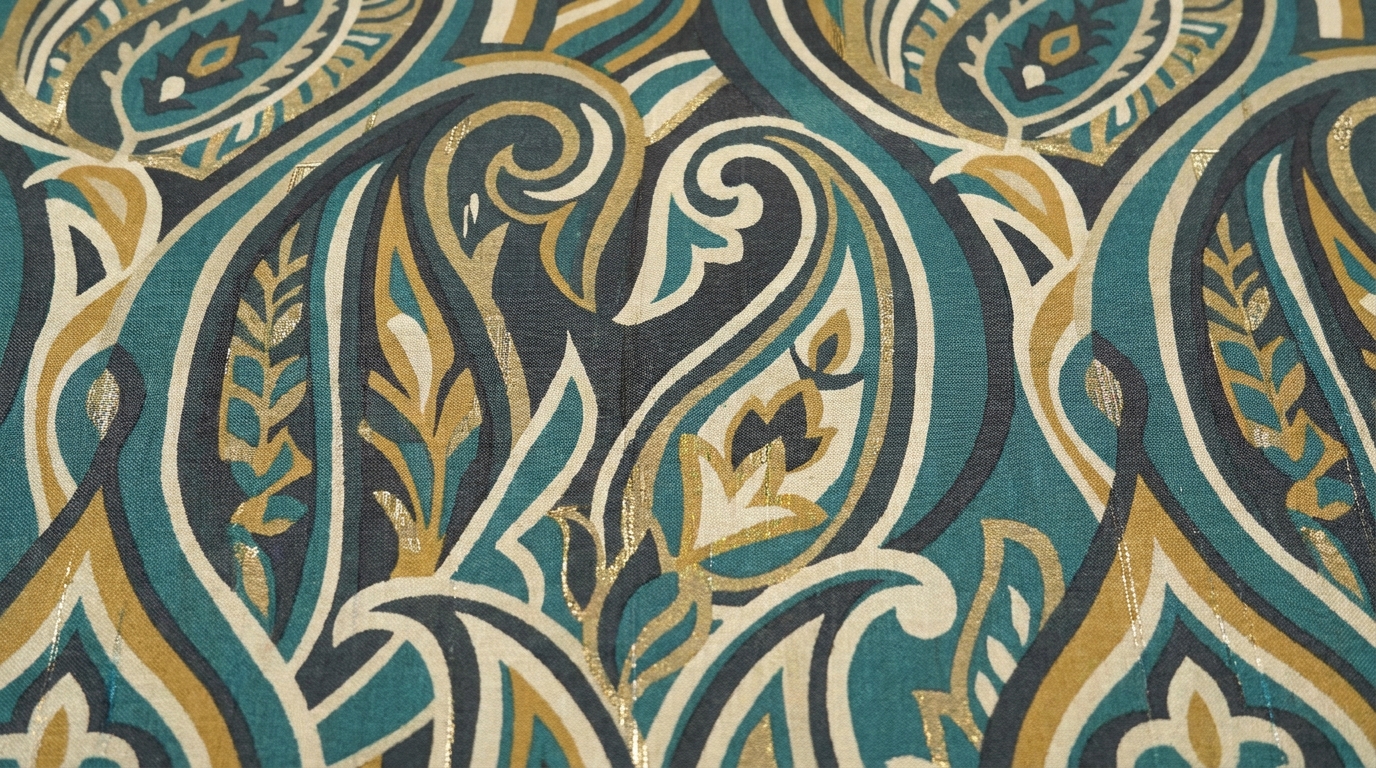
Fashion is inherently visual. High-resolution imagery, compelling lookbooks, and behind-the-scenes videos are paramount. Designers can leverage advanced tools like AI image generation to create stunning visuals for their campaigns or product mockups, ensuring consistency and high quality without extensive photoshoots. This capability extends to showcasing intricate details of Indian craftsmanship, embroidery, and fabric textures, which are often central to a designer's appeal. Furthermore, the integration of 3D product visualisations allows customers to interact with garments in a more engaging way, viewing them from all angles and even customising elements virtually. This not only elevates the online presentation but also addresses a significant pain point in online fashion retail: returns. Studies indicate that 3D product pages can reduce e-commerce returns by up to 40%, a crucial factor for profitability.
#### 2. Intuitive User Experience and Brand Cohesion
A website's navigation must be intuitive, guiding visitors effortlessly from discovering a collection to adding an item to their cart. Clear calls to action (CTAs), well-organised categories, and an efficient search function are non-negotiable. Beyond functionality, maintaining a consistent brand identity across all elements – from typography to colour palettes – is vital. Draftly, for instance, offers robust tools to customise fonts, colors, and your brand kit, ensuring that every page reflects the designer's unique aesthetic. This cohesion builds trust and reinforces brand recognition, transforming casual browsers into loyal customers.
#### 3. Seamless E-commerce Integration
The ability to sell directly from the website is the cornerstone of this integrated model. This requires a robust e-commerce backend capable of managing product variations (sizes, colours), inventory, secure payment gateways, and shipping logistics. For Indian designers, offering diverse payment options, including UPI, net banking, and popular digital wallets, is crucial for market penetration. Effective Draftly E-Commerce Product Pages are designed to convert browsers into buyers, featuring high-quality visuals, detailed descriptions, customer reviews, and clear purchasing options. This direct-to-consumer (D2C) model empowers designers with greater control over pricing, customer data, and brand messaging, bypassing traditional retail intermediaries and increasing profit margins.
#### 4. Mobile Responsiveness and Performance
Given that over 75% of internet users in India access the web via mobile devices, a mobile-first design approach is not merely an advantage; it is a necessity. The website must load quickly and display flawlessly across all screen sizes, ensuring a consistent and pleasant experience for every user. Slow loading times and poor mobile optimisation lead to high bounce rates and lost sales opportunities. Prioritising performance ensures that the designer's vision is accessible and engaging, regardless of how the customer chooses to browse.
#### 5. Search Engine Visibility
Even the most stunning website will struggle without visibility. Search Engine Optimisation (SEO) is critical for ensuring that potential customers discover the designer's work. This involves optimising product descriptions with relevant keywords, structuring content logically, and ensuring technical SEO best practices are followed. For Indian designers, this also means considering local search terms and regional fashion trends to capture specific market segments.
The Draftly Advantage for Indian Fashion Designers
Draftly is specifically engineered to meet the complex needs of Indian fashion designers seeking a unified portfolio and e-commerce platform. Our AI-powered 3D website builder simplifies the creation process, allowing designers to focus on their craft rather than web development complexities.
* Integrated 3D Capabilities: Effortlessly incorporate 3D models of garments, offering customers an unprecedented level of detail and interaction. This feature is particularly impactful for high-end or bespoke fashion, where material and cut are paramount.
* AI-Enhanced Design: Leverage AI to generate design elements, optimise layouts, and even refine product imagery. Using AI Image Generation in Draftly can significantly speed up content creation and maintain visual consistency.
* Robust E-commerce Features: Built-in tools for product management, secure payment integration, and order processing streamline the sales cycle.
* Customisation and Branding: Complete control over fonts, colours, layouts, and overall brand aesthetic ensures the website is a true extension of the designer's vision.
* Performance Optimisation: Draftly websites are built for speed and mobile responsiveness, guaranteeing a superior user experience across all devices.
An integrated website empowers Indian fashion designers to present their artistic vision and drive sales directly. It's a strategic investment that transforms an online presence from a static display into a dynamic, revenue-generating asset.
Ready to elevate your fashion brand online? Create a stunning portfolio and e-commerce site with Draftly today.