India is in the midst of a profound digital transformation, and its most significant frontier isn't the bustling urban centers, but the vast expanse of rural India. The rapid surge in rural India's internet growth presents an unprecedented business opportunity, reshaping how goods are bought, services are accessed, and information is consumed. With hundreds of millions of new internet users emerging from villages and small towns, businesses are finding fertile ground for innovation and expansion.
This isn't just a statistical blip; it's a fundamental shift driven by affordable smartphones, cheap data, and government initiatives. Understanding this evolving landscape is crucial for any business looking to tap into India's next wave of economic prosperity.
The Unstoppable Surge of Rural India's Digital Adoption
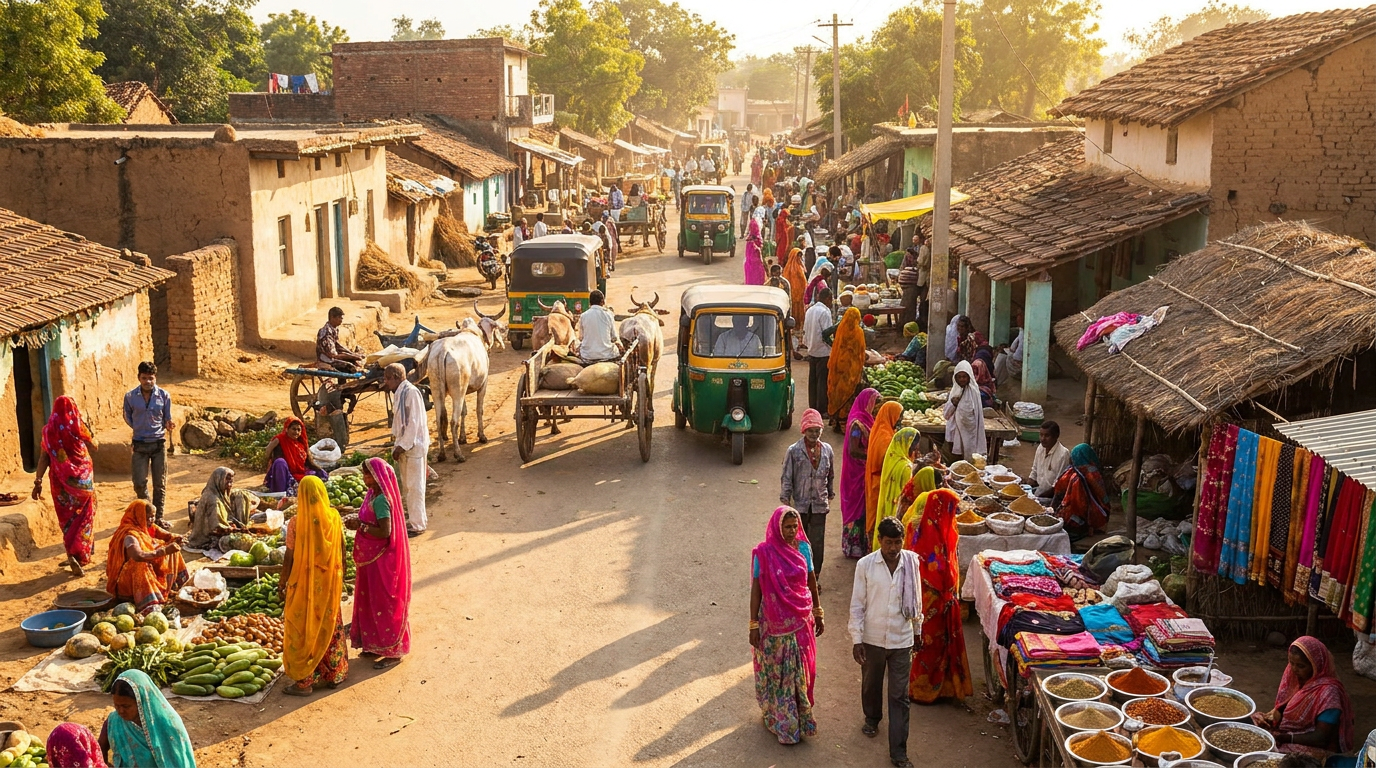
The narrative of internet growth in India has largely been centered around its metropolitan areas. However, recent trends show a dramatic reversal. Rural India is now leading the charge in new internet subscriptions. According to a recent report by the Internet and Mobile Association of India (IAMAI) and Kantar, rural India recorded 375 million active internet users by 2023, growing at a faster rate (15%) than urban India (6%). This expansion means that over 60% of India's active internet users now reside outside of its major cities.
!bharat goes digital unlocking business opportunities in rural indias internet growth, india
Several factors fuel this explosive growth:
* Affordable Smartphones: The proliferation of budget-friendly smartphones, often available for less than ₹10,000, has made digital access a reality for millions. These devices are often the primary, if not sole, gateway to the internet for rural populations.
* Cheap Data: India boasts some of the world's lowest mobile data tariffs. With plans offering gigabytes of data for mere rupees, sustained internet usage is highly accessible.
* Government Initiatives: Programs like BharatNet aim to connect 250,000 Gram Panchayats with high-speed broadband, laying the foundational infrastructure for digital inclusion. The 'Digital India' campaign has also played a pivotal role in promoting digital literacy and services.
* Increased Awareness: Word-of-mouth, coupled with the success stories of early adopters, has driven curiosity and adoption. People see tangible benefits in using digital platforms for communication, entertainment, and increasingly, commerce and services.
This digital awakening translates into a massive, previously untapped consumer base eager for relevant and accessible online solutions.
Diverse Business Opportunities Fueled by Rural Internet Growth
The burgeoning digital population in rural India isn't just looking for entertainment; they are active participants in the digital economy. This opens up a plethora of opportunities across various sectors.
E-commerce and Direct-to-Consumer (D2C) Brands
Rural consumers are increasingly turning to online platforms for products that might not be readily available in local markets or for better prices. From fashion and electronics to household goods, the demand is diverse. D2C brands, in particular, can bypass traditional distribution challenges and reach these consumers directly. Brands focusing on local handicrafts, agricultural produce, or niche regional products can also find a wider market online. Platforms need to be user-friendly, ideally in local languages, and offer reliable last-mile delivery. Effective E-Commerce SEO India: Rank Your Product Pages on Google becomes critical for visibility.
Fintech and Digital Payments
The adoption of digital payment systems like UPI (Unified Payments Interface) has skyrocketed. India recorded 13.44 billion UPI transactions in December 2023 alone, amounting to ₹19.64 lakh crore. Many rural users are leapfrogging traditional banking methods directly to digital wallets and UPI. This creates opportunities for:
* Micro-lending platforms: Providing small loans to farmers or local businesses.
* Digital insurance: Offering affordable, tailored insurance products for crops, livestock, or health.
* Financial literacy tools: Helping rural populations manage their finances and access government schemes.
* Payment gateways: Facilitating easy transactions for local merchants.
EdTech and Skill Development
Access to quality education and skill development remains a challenge in many rural areas. The internet bridges this gap. EdTech platforms can offer:
* Online tutoring: For school children in various subjects.
* Vocational training: In fields like digital marketing, basic coding, or trades.
* Language learning: English proficiency is highly valued for employment.
* Competitive exam preparation: Affordable courses for government jobs or higher education.
These platforms can empower individuals with skills that lead to better employment opportunities without requiring relocation.
Healthcare and Telemedicine
Rural India often suffers from a scarcity of medical professionals and facilities. Telemedicine offers a lifeline, allowing patients to consult doctors remotely. Opportunities include:
* Online consultations: Connecting patients with specialists in urban areas.
* Digital health records: Improving continuity of care.
* Medicine delivery services: Bringing essential medicines to remote locations.
* Health awareness programs: Disseminating vital health information.
Local Services and Hyper-local Delivery
Just like in cities, rural areas need services – from plumbers and electricians to beauty services and home repairs. Digital platforms can connect service providers with customers. Hyper-local delivery for groceries, food, and other essentials is also gaining traction, especially in larger rural towns. Businesses can leverage platforms like Draftly to create a strong Local SEO for Indian Small Businesses: The Complete 2025 Guide and connect with their local audience.
Navigating the Rural Digital Landscape: Challenges & Solutions
While the opportunities are immense, businesses must also be prepared to navigate unique challenges in the rural digital landscape.
Language Barriers
English proficiency is often low. Content, interfaces, and customer support must be available in multiple regional Indian languages. A truly impactful digital presence means speaking the local tongue.
Digital Literacy and Trust
Many new users are not fully digitally literate and may be wary of online transactions due to security concerns or lack of understanding. Building trust through transparent operations, clear communication, and local community engagement is paramount. Simple, intuitive user interfaces are critical.
Logistics and Infrastructure
Last-mile delivery in remote villages can be complex due to poor road networks and lack of standardized addresses. Businesses need to invest in robust logistics partnerships or innovative delivery models, such as local pickup points or working with village entrepreneurs.
Power and Connectivity Reliability
While data is cheap, consistent power supply and network reliability can still be issues in some areas. Solutions should be designed to function efficiently even with intermittent connectivity and low battery.
Overcoming Challenges with AI-Powered Websites
AI website builders like Draftly can significantly reduce the barriers for businesses targeting rural India. They enable rapid deployment of mobile-first, multi-language websites. Features like How to Add a WhatsApp Chat Widget to Your Draftly Website can bridge digital literacy gaps by allowing direct communication in local languages, fostering trust and engagement.
Crafting a Winning Strategy for Rural India's Digital Market
To effectively tap into the potential of rural India's internet growth, businesses need a tailored strategy.
- Localised Content and Language: Translate your website and app interfaces into major regional languages (Hindi, Marathi, Bengali, Tamil, Telugu, Kannada, Gujarati, etc.). Develop content that resonates with local cultural nuances and addresses specific rural needs.
- Mobile-First, Data-Light Design: Given that most rural users access the internet via smartphones with varying connectivity, your digital presence must be mobile-first, fast-loading, and data-efficient. Prioritise clear visuals and minimal text. Remember, Mobile-First Web Design in 2026: Why 80% of Your Indian Visitors Are on Their Phone.
- Affordable and Accessible Solutions: Price points must be sensitive to rural incomes. Consider offering smaller, more affordable packages or installment options. Ensure your customer support is easily accessible, perhaps through local agents or simple chat interfaces.
- Build Trust and Community: Engage with local communities through village-level entrepreneurs, self-help groups, or local government bodies. Offer clear demonstrations of your product or service. Word-of-mouth still holds immense power in these areas.
- Leverage Digital Marketing Strategically: Focus on platforms popular in rural India, such as YouTube (for video content in local languages), WhatsApp, and local social media groups. Targeted local ads can be highly effective.
- Simplify User Experience: Design for simplicity. Avoid complex navigation or jargon. Use visual cues and voice commands where possible to make the experience intuitive for less digitally literate users.
The Digital Horizon for Rural India
Rural India's internet growth is not merely a trend; it's a fundamental shift creating a new economic powerhouse. Businesses that understand this dynamic, adapt their strategies, and build digital platforms tailored to the unique needs and preferences of rural consumers will be the ones to thrive. The market is vast, hungry for innovation, and ready to embrace digital solutions that enhance their lives and livelihoods. The time to invest in Bharat's digital future is now.
Ready to tap into India's largest emerging digital market? Create your tailored, mobile-first website with Draftly today and connect with rural India.